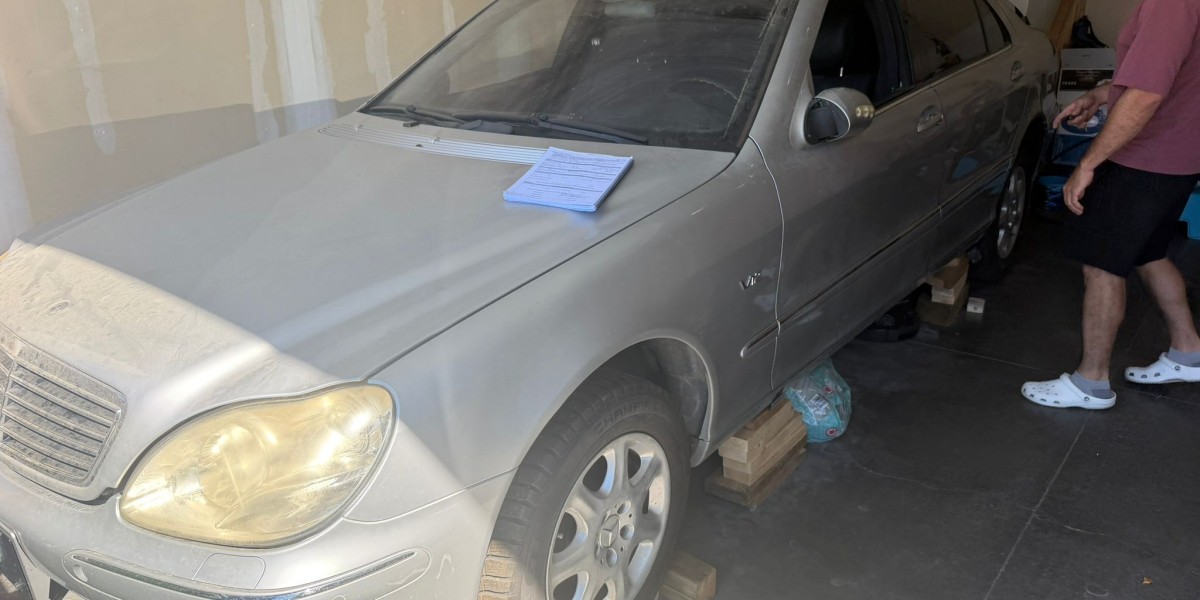

A car sitting in your Calgary driveway since last winter may look almost exactly the way you left it. The doors still open, the seats are still inside, and the body may not show any obvious damage. But there is an important question many owners forget to ask:
What happened to the car while it was sitting unused?
A vehicle that has not been driven for several months can develop problems even when the engine was perfectly healthy when it was parked. A weak battery, flat-spotted tires, stale fuel, low fluid levels, rust, seized brakes, and rodent damage can all appear during a long period of inactivity.
The good news is that you can usually sell a car that has been sitting since last winter. The bigger question is whether you should spend money getting it running again before selling it.
If you're considering cash for cars Calgary services, understanding the condition of a stored vehicle can help you decide whether to repair it, sell it as-is, or have it removed without putting more money into it.
Why Does a Car Develop Problems When It Sits?
Cars are designed to be driven. Many components depend on regular movement, lubrication, charging, heating, and circulation.
When a vehicle sits for months, several systems gradually deteriorate.
The battery can discharge completely. Tires can lose pressure and develop flat spots. Brake components may develop surface rust. Engine fluids can settle or absorb moisture. Fuel can degrade over time, particularly when the tank is nearly empty.
Calgary's weather can make the situation even more complicated. Cold temperatures, snow, road salt, moisture, and repeated freezing and thawing can affect an older vehicle that spends an entire winter sitting outside.
So, a car that was running normally when parked may not behave the same way when you finally try to start it.
The Battery Is Usually the First Problem
If your car has been sitting since last winter, don't be surprised if the battery is completely dead.
Even a healthy battery slowly loses charge while a vehicle is parked. The car also uses small amounts of electricity for systems such as the security system, computer modules, and clock.
A dead battery doesn't necessarily mean the vehicle has a serious mechanical problem.
However, there's an important distinction between a dead battery and a damaged battery. A battery that has been deeply discharged for months may not recover fully even after being charged.
Before spending money on a replacement, consider the overall condition of the vehicle. If the car is already suffering from major engine, transmission, rust, or electrical problems, replacing the battery simply to make it start may not be financially worthwhile.
Check the Tires Before Moving the Vehicle
A vehicle sitting in one position for months can develop tire problems.
The tires may lose air gradually, creating a visibly low tire. Extended sitting can also contribute to temporary or permanent flat spots, depending on the tire condition, storage environment, temperature, and length of storage.
Before driving the vehicle, inspect:
- Tire pressure
- Cracks in the sidewalls
- Bulges
- Severe tread wear
- Visible damage
- Signs of a completely flat tire
If you're planning to have the car towed, tell the towing provider about the tire condition. A vehicle with flat or damaged tires may require different loading equipment.
Don't Ignore the Brakes
One of the biggest surprises after long-term storage is discovering that the brakes don't feel normal.
Surface rust can form on brake rotors when a vehicle sits, especially in a damp environment. In some cases, the rust is relatively minor and can wear away after normal driving. In other cases, brake components can become stuck or require repair.
If the brake pedal feels strange, the vehicle pulls heavily to one side, or a wheel appears to be seized, don't assume it is safe to drive.
This is especially important if the car has been sitting outdoors through a Calgary winter.
What About Old Fuel?
Fuel can deteriorate when it remains in a vehicle for an extended period.
If the car was parked with very old gasoline, you may experience difficult starting, rough running, poor acceleration, or other fuel-system issues.
The amount of deterioration depends on factors such as the type of fuel, storage conditions, fuel level, and how long the vehicle has been sitting.
If your car refuses to start after months of storage, don't immediately assume the engine has failed. The problem could be related to the battery, fuel, ignition, or another system.
A basic diagnosis can help identify whether you're dealing with a relatively simple problem or a much larger repair.
Look for Rodent Damage
A forgotten vehicle can become an attractive hiding place for rodents.
This is particularly important if the car was stored outside, near a garage, shed, or other area where rodents are present.
Check under the hood and around the vehicle for:
- Chewed wiring
- Nesting material
- Droppings
- Damaged insulation
- Chewed hoses
- Unusual smells
Rodent damage can create difficult-to-find electrical problems. A vehicle may appear mechanically sound but refuse to start because wiring has been damaged.
Does Sitting for Months Reduce the Car's Value?
It can, but not simply because the vehicle wasn't driven.
Mileage is only one part of a vehicle's condition. A car with low mileage that has been sitting for a year may have more immediate problems than a higher-mileage vehicle that has been regularly maintained.
Think about two similar vehicles.
Car A has 180,000 kilometres but has been driven regularly, maintained properly, and starts without problems.
Car B has 130,000 kilometres but has been sitting outside since last winter, has a dead battery, low tires, seized brakes, and unknown mechanical condition.
The lower-mileage vehicle isn't automatically worth more.
Buyers look at the complete condition, including mechanical operation, body condition, maintenance history, tires, brakes, engine, transmission, and whether the vehicle can be safely moved.
Should You Repair the Car Before Selling It?
This is where many owners spend money unnecessarily.
Suppose your car needs a $200 battery, $500 in tires, and $700 in brake work before it can be driven safely. You might assume that spending $1,400 will increase the selling price by more than $1,400.
That isn't guaranteed.
Before repairing the vehicle, ask:
Will the repair actually increase the amount I can sell the vehicle for?
If the car is otherwise valuable and the repairs are relatively minor, fixing it may make sense.
But if the vehicle is already old, heavily rusted, has high mileage, or needs major engine or transmission work, putting additional money into it may simply increase your costs without producing an equivalent increase in its selling price.
Can You Sell It Without Getting It Running?
Yes, an inoperable vehicle can still have value.
A car doesn't necessarily become worthless because it won't start. Its value may come from usable parts, body components, wheels, tires, catalytic converter, engine, transmission, scrap metal, or other recoverable materials.
This is one reason some owners consider cash for cars Calgary services instead of repairing a vehicle that has been sitting unused.
A cash car buyer may evaluate the vehicle based on its overall condition and arrange towing depending on the vehicle and buyer.
The important thing is to be honest about its condition. Tell the buyer that the car has been sitting since last winter, whether it starts, whether the tires hold air, and whether there are known mechanical problems.
What Should You Check Before Selling?
You don't necessarily need to completely restore the vehicle. But gathering accurate information can make the selling process easier.
Before contacting a buyer, check:
Battery: Is it dead or does the vehicle start?
Tires: Are they inflated and safe to move?
Brakes: Are the wheels moving freely?
Fluids: Are there obvious leaks?
Engine: Does it start, idle, or make unusual noises?
Body: Are there new rust spots, dents, or winter damage?
Interior: Is there moisture, mould, or rodent damage?
Documents: Do you have the ownership and other relevant vehicle paperwork?
You can also take clear photos of the vehicle's exterior, interior, tires, engine bay, and any visible damage. This gives a potential buyer a much better understanding of what they're dealing with.
Don't Start Spending Money Just Because the Car Has Been Sitting
The biggest mistake is assuming that every stored vehicle needs to be repaired before it can be sold.
Sometimes the smartest first step is simply determining what condition the vehicle is actually in.
If it starts and only needs minor maintenance, you may decide to repair it.
If it doesn't start and already has expensive mechanical problems, selling it as-is may make more sense.
If the car has severe rust, damaged components, or has been sitting for so long that its condition is uncertain, getting a cash offer before authorizing expensive repairs can help you compare your options.
Final Thoughts
A car that hasn't been driven since last winter isn't automatically worthless. But long-term storage can create problems that aren't visible from the outside.
A dead battery, low tires, rusty brakes, stale fuel, rodent damage, moisture, and mechanical deterioration can all affect what the vehicle is worth.
Before spending hundreds or thousands of dollars trying to bring an old car back onto the road, look at the bigger picture.
What is the car worth today, what would it cost to make it roadworthy, and how much could you realistically recover after those repairs?
For Calgary vehicle owners, cash for cars Calgary options can be worth considering when an unused vehicle has become more of a storage problem than a useful transportation option. The key is to describe the vehicle honestly, understand its condition, and compare the cost of repairing it with the value you could realistically recover by selling it as-is.