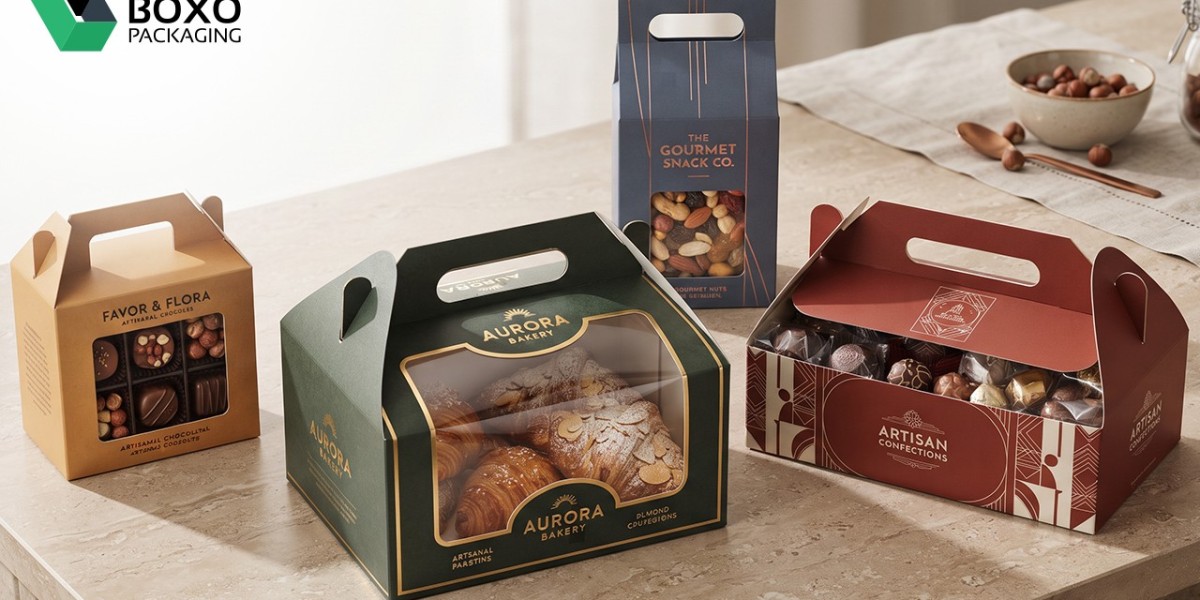

Gable packaging refers to boxes with a peaked, tent-like top that folds and locks into place, similar to a traditional milk carton. It's popular for food service, retail, and gifting because it's sturdy, easy to assemble without tape, and offers a distinctive shape that stands out on shelves. Gable boxes are typically made from paperboard and can be customized with branding, windows, or handles.
Next time you grab takeout or pick up a carton of juice, look closely at the shape. That peaked roof with a fold-down seam is one of the most recognizable packaging designs in retail and food service. It's called gable packaging, and it's been quietly shaping how brands present their products for over a century.
Gable boxes get their name from their resemblance to the gable roof on a house—a peak that slopes down on two sides. This design isn't just decorative. It creates a self-locking structure that requires no tape or glue to stay closed, making it fast to assemble and easy to open.
What Makes Gable Boxes Different from Standard Cartons?
Unlike a typical rectangular box with flat flaps, a gable box uses an interlocking top mechanism. The panels fold inward and lock together at the peak, often finished with a built-in handle. This creates three practical advantages:
- Tamper resistance: The locking mechanism makes it obvious if a box has been opened.
- Portability: Many gable boxes include an integrated handle, ideal for takeout food or gift packaging.
- Shelf appeal: The distinctive silhouette stands out next to standard box shapes, which helps with brand recognition.
What Industries Rely on Gable Packaging?
Gable packaging shows up most often in food service and retail. Bakeries use it for pastries and cakes. Restaurants use it for takeout meals. Farmers markets and juice brands use smaller gable cartons for beverages. Retailers also use gable boxes for gift sets, since the handle and shape make them easy to carry and present.
The material typically used is paperboard, sometimes coated for moisture resistance when used for food or liquids. This makes gable packaging a common choice for brands prioritizing recyclability, since paperboard is widely accepted in curbside recycling programs.
Why Should a Brand Choose Gable Packaging Over Other Options?
Choose gable packaging if the priority is a combination of function and shelf presence. The built-in handle makes it more practical than a flat box for takeout or gifting. The self-locking top also means faster packing lines, since staff don't need tape dispensers or adhesive.
If a brand instead needs airtight, heavy-duty protection—for shipping fragile electronics, for example—a corrugated shipping box is a better fit than gable packaging. Gable boxes excel at food service and retail presentation, not industrial shipping.
Companies like Boxo Packaging offer custom gable box printing, allowing brands to add logos, color schemes, or die-cut windows so customers can see the product inside before opening it.
How Is Gable Packaging Customized for Branding?
Custom gable packaging typically involves three levers: print, structure, and material.
- Print: Full-color printing directly on the paperboard allows for logos, patterns, and product information.
- Structure: Brands can adjust the size of the peak, add die-cut windows, or modify the handle design.
- Material: Options range from standard paperboard to coated stock for moisture resistance, or recycled content for sustainability-focused brands.
These customizations don't just affect appearance. They influence unboxing experience and can reinforce brand recall each time a customer sees the packaging.
Making the Right Packaging Choice
Gable packaging solves a specific problem: how to combine a portable, easy-open container with strong shelf presence. It's why the shape has persisted from milk cartons to bakery boxes to modern gift packaging.
For brands weighing custom packaging options, the decision often comes down to use case. If the product needs to travel by hand—food, drinks, or gifts—the built-in handle and no-tape assembly of a gable box offer real practical value. For brands exploring custom options, working with a packaging supplier that offers both printing and structural customization can help match the box to the product and the brand's identity.