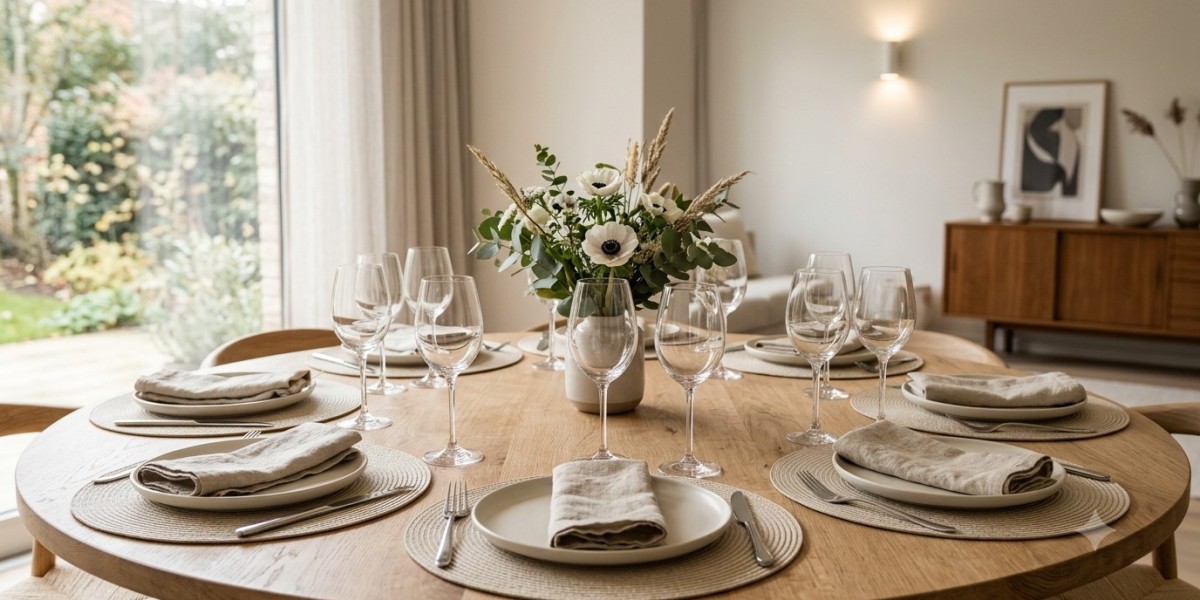

A well-designed dining table does more than provide a place to eat. It can create a welcoming atmosphere, organize the table visually, and make everyday meals feel more intentional. One of the simplest ways to improve a tablescape is by choosing the right placemats.
While rectangular and square designs remain popular, round placemats are an increasingly versatile choice for both casual and formal dining. Their curved shape works particularly well with round dining tables, but they can also soften the appearance of rectangular tables and create a more balanced setting.
From choosing the right color and material to coordinating napkins and dinnerware, understanding how to use placemats can help you create a dining space that looks polished without becoming overly complicated.
Why Choose Round Placemats for Your Dining Table?
Round placemats can introduce visual balance to a table because their curved edges contrast naturally with plates, bowls, and other tableware. On a round dining table, this repeated circular shape can create a cohesive appearance.
They are also useful for organizing individual place settings. A placemat gives each guest a defined area for their plate, glassware, and cutlery, which can make the table feel more structured.
Another practical benefit is table protection. Placemats can provide a layer between dishes and the table surface while helping contain everyday crumbs and minor spills.
For everyday dining, washable fabric placemats can also make setting and resetting the table more convenient. For special occasions, decorative designs can become an important part of the overall dining table décor.
How Circular Placemats Can Transform a Table Setting
The shape of a placemat influences the visual character of the entire tablescape. Circular placemats have soft, flowing edges that can make a setting feel relaxed and coordinated.
For example, place a circular mat underneath a dinner plate and position a folded napkin either beside the plate or across its center. Add simple glassware and cutlery, then finish the arrangement with a low centerpiece. The result is organized without looking overly formal.
Circular designs can also work well when several shapes are combined. A round placemat beneath a round plate creates repetition, while rectangular napkins and straight-edged cutlery introduce contrast.
This approach is especially useful on round dining tables, where repeating curved shapes can reinforce the table's natural geometry.
Choosing the Right Color for Your Table Décor
Color is one of the easiest ways to change the mood of a tablescape. Neutral placemats can create a subtle foundation, while deeper or brighter colors can become a visual focal point.
When selecting a color, consider the existing tones in your dining room. Look at the table finish, chairs, wall colors, dinnerware, curtains, and other decorative elements.
Styling Round Burgundy Placemats
For a sophisticated and warm appearance, round burgundy placemats can work particularly well with neutral tableware. Burgundy has enough depth to stand out while pairing naturally with colors such as white, cream, beige, natural wood, and soft gray.
On a wooden dining table, burgundy placemats can create a warm contrast. Pair them with white or cream dinnerware for a classic setting, then add simple glassware and neutral napkins.
They can also suit seasonal dining, autumn-inspired décor, and formal dinner settings. To keep the arrangement balanced, avoid introducing too many competing colors. Instead, repeat small touches of burgundy through napkins, flowers, candles, or other table accents.
Red Placemats for a Bold Dining Look
Red can create a warm and energetic atmosphere, making it a useful choice when you want the table to attract attention.
A round red placemat can serve as a strong foundation for a dinner setting, particularly when paired with simple white or neutral dinnerware. The contrast allows the placemat to become part of the visual centerpiece without requiring excessive decoration.
Red placemats can be appropriate for holiday meals, family gatherings, dinner parties, and romantic dinners. They can also work for everyday dining if the rest of the table is kept relatively simple.
For a festive table, combine red placemats with white napkins and clear glassware. For a more understated arrangement, pair them with natural wood, beige textiles, or neutral ceramic plates.
Canvas Placemats: A Practical and Casual Option
For relaxed dining spaces, canvas placemats can offer a casual alternative to more decorative table linens. Their structured fabric appearance can complement farmhouse-inspired interiors, rustic dining rooms, kitchens, and informal outdoor settings.
Canvas-style textures work particularly well when combined with natural materials. Try pairing them with cotton or linen napkins, simple ceramic dinnerware, wooden serving boards, and glass tumblers.
For everyday meals, a neutral canvas-inspired look can provide texture without overwhelming the table. In an outdoor dining area, simple fabric placemats can also help define each guest's place setting while contributing to the overall décor.
The key is coordination. If the placemats have a strong texture or pattern, keep other textiles relatively simple. If the placemats are plain, patterned napkins or decorative dinnerware can provide additional visual interest.
How to Style Placemats Circular for Different Occasions
The phrase placemats circular describes a shape rather than a particular decorating style, which means these placemats can be adapted to many occasions.
Everyday Family Meals
For daily meals, keep the arrangement practical. Choose washable fabric placemats, simple dinnerware, everyday glasses, and napkins that complement the placemat color.
Dinner Parties
For guests, add another layer of detail. Coordinate the placemats with cloth napkins, polished glassware, and a centerpiece. A consistent color palette can make the table appear thoughtfully designed.
Festive Occasions
Seasonal decorations can be incorporated without replacing the entire table setting. For example, use colored placemats with seasonal napkins, small decorative accents, and a centerpiece that reflects the occasion.
Brunch
Brunch allows for a lighter and more relaxed approach. Pair soft-colored placemats with pastel or neutral dinnerware, folded napkins, simple glassware, and fresh flowers.
Outdoor Dining
For patios and garden tables, choose materials and colors that suit the surroundings. Natural tones, simple patterns, and coordinating napkins can create an inviting outdoor setting without making the table feel overly formal.
How to Choose the Right Size and Material
Before purchasing placemats, consider the dimensions of both your table and dinnerware. A placemat should provide enough space for the main plate and some surrounding tableware without making the table feel crowded.
The number of guests also matters. A larger table can accommodate more generous spacing, while smaller dining tables require careful placement to preserve comfortable elbow room.
Material is another important consideration. Cotton placemats can provide a familiar fabric feel and work well across casual and formal settings. Linen can offer a more relaxed, textured appearance, while woven materials can add visual dimension.
When considering canvas, cotton, linen, or other fabric options, check the care requirements before purchasing. If the placemats will be used frequently, maintenance should be part of the decision.
Color and pattern should also complement the room rather than compete with it. If your dinnerware is highly decorative, a simpler placemat may provide better balance. Conversely, plain dinnerware gives you more freedom to experiment with patterned or embroidered placemats.
All Cotton and Linen offers several placemat categories, including round, cotton, linen, embroidered, scalloped, and other styles, giving shoppers different directions to explore when planning a table setting.
Creating a Coordinated Tablescape
A coordinated tablescape does not mean every item has to match exactly. Instead, focus on relationships between colors, textures, and shapes.
Start with the placemats and choose napkins that either complement or subtly contrast with them. For example, a deep-colored placemat can be balanced with a cream napkin, while a neutral placemat can provide a foundation for a patterned napkin.
Table runners can introduce another layer, particularly on rectangular or longer tables. If the placemats already contain a noticeable pattern, choose a simpler runner.
Dinnerware should remain easy to see and use. White or neutral plates are versatile because they allow colorful placemats to become the main decorative element.
Finally, consider the centerpiece. A low floral arrangement, bowl of seasonal fruit, candles, or natural greenery can complete the table without obstructing conversation across it.
Why Quality Matters When Choosing Placemats
Placemats are often used repeatedly, so quality and practicality should be considered alongside appearance. Well-made table linens can help maintain a consistent look across multiple meals and occasions.
Durability is particularly relevant for households that use placemats every day. Reusable materials can also be practical when compared with disposable table-setting alternatives.
Maintenance matters as well. Before buying, review the care instructions and consider whether the material suits your routine. A beautiful placemat that is difficult to maintain may not be the most practical choice for frequent use.
For shoppers exploring a broader table-linen collection, All Cotton and Linen also carries complementary categories such as tablecloths and napkins, which can make it easier to build a coordinated tablescape.
Final Thoughts
The right placemat can change the appearance and functionality of a dining table without requiring a complete décor makeover. Round designs offer a particularly versatile option because their curved shape works naturally with round tables while adding softness and visual balance to other table shapes.
When choosing placemats, consider more than appearance. Think about size, material, color, maintenance, table dimensions, and the type of dining you do most often.
Whether you prefer understated cotton textures, bold red accents, rich burgundy tones, casual canvas-inspired designs, or elegant linen, the best choice is one that complements your existing dining space and supports the way you use it.
With thoughtful coordination between placemats, napkins, dinnerware, runners, and centerpieces, even an everyday meal can become a welcoming and well-designed dining experience.