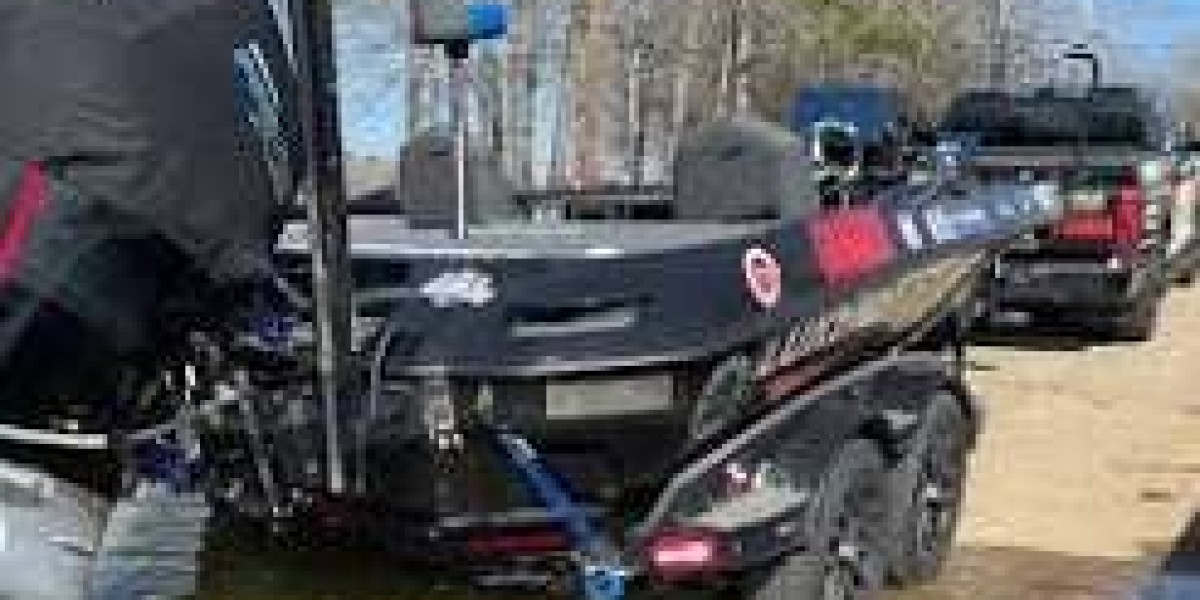

Secure Boat Transportation: A Guide to Safe and Reliable Boat Shipping
Moving a boat from one location to another requires careful planning, specialized equipment, and attention to safety. Whether you are transporting a small fishing boat, a luxury yacht, or a recreational vessel, choosing a reliable transportation service can help protect your investment throughout the journey.
Secure boat transportation focuses on safely preparing, loading, securing, transporting, and unloading a vessel. Professional boat transport providers use appropriate equipment and procedures based on the boat's size, weight, design, and destination.
What Is Secure Boat Transportation?
Secure boat transportation is the process of moving a vessel by road, water, or a combination of transportation methods while taking precautions to protect the boat from damage.
Before transportation begins, the boat may need to be inspected and prepared. Items that could become loose during transit are removed or secured, while important measurements and documentation may be checked.
Professional transporters then use suitable trailers, supports, straps, and other equipment to keep the boat stable throughout the journey.
Why Proper Boat Transportation Matters
Boats can be expensive and structurally sensitive investments. Improper loading or inadequate securing can lead to scratches, movement, equipment damage, or other problems during transportation.
Professional transportation helps reduce these risks by using equipment appropriate for the vessel. Experienced teams can also account for factors such as road conditions, weather, route restrictions, and the boat's dimensions.
Key Steps in Secure Boat Transportation
1. Pre-Transport Inspection
A detailed inspection helps identify the condition of the boat before transportation. Existing scratches, dents, or other visible issues can be documented before loading.
This provides a useful reference when the vessel reaches its destination.
2. Proper Preparation
The boat should be prepared according to the transportation method. Loose equipment, personal belongings, antennas, covers, and other removable items may need to be removed or secured.
Fuel and other onboard systems may also require attention depending on applicable transportation requirements.
3. Specialized Loading Equipment
Boat transport companies use equipment designed to handle different types of vessels. The appropriate trailer or carrier should support the boat at suitable points to help maintain stability.
4. Secure Tie-Downs and Supports
Properly positioned straps, supports, and restraints help prevent unwanted movement during transit. The securing method should be appropriate for the boat's structure and weight.
5. Route Planning
Large boats can create transportation challenges because of their height, width, and length. Professional route planning helps identify roads, bridges, clearance limitations, and other potential obstacles before the journey begins.
Types of Boats That Can Be Transported
Professional boat transportation services may handle a wide range of vessels, including:
Fishing boats
Speedboats
Sailboats
Pontoon boats
Cabin cruisers
Luxury boats
Yachts
Personal watercraft
Transportation requirements vary significantly depending on the vessel. A large yacht may require specialized equipment and route planning, while a smaller boat may be transported using a standard marine trailer.
Choosing a Secure Boat Transportation Company
When selecting a boat transport provider, consider the company's experience, equipment, insurance coverage, licensing requirements, and transportation process.
Ask whether the company has experience handling boats similar to yours and whether it provides pre-transport inspections and documentation.
It is also important to understand the terms of service, estimated transportation timeline, responsibilities for preparation, and procedures for addressing unexpected issues during transit.
Preparing Your Boat for Transportation
Boat owners can make the transportation process easier by following the carrier's preparation instructions. Remove unnecessary personal belongings and secure items that will remain onboard.
Take photographs of the boat before loading and keep important documentation available. If the boat has specialized equipment or unusual features, inform the transporter in advance.
Following professional preparation guidelines can help reduce delays and make loading and unloading more efficient.
Conclusion
Secure boat transportation requires more than simply moving a vessel from one place to another. Proper preparation, specialized equipment, careful loading, secure restraints, and detailed route planning all contribute to a safer transportation process.
Whether you are relocating a recreational boat, purchasing a vessel from another location, or preparing a yacht for a new destination, choosing an experienced transportation provider can help protect your boat throughout the journey.