
The Psychology of Shape: Why Book-Style and Round Rigid Packaging Feel So Different
The shape of a rigid box isn't a cosmetic afterthought, it changes how expensive, thoughtful, and memorable a product feels the moment someone opens it. Book-style and round formats send different emotional signals, which is why brands are choosing structure as deliberately as print design. Below is a breakdown of where each shape works best, along with a look at what buying-behavior research actually says about packaging.
Why Structural Choices Outweigh Print Design Alone
Most conversations about packaging start with color palettes and finishes, but structure does its work long before anyone reads a label. A lid that opens with a little resistance, or a box that reveals a product in an unexpected way, creates a small moment of theater. That moment is often what people remember and photograph, more than the artwork printed on the lid itself. Two people can unbox the exact same product printed with the exact same artwork and walk away with different impressions, purely because one box moved differently in their hands than the other.
This is where a category like Custom Rigid Set Up Boxes becomes useful to understand. It covers pre-assembled, sturdy packaging built to hold its shape without folding flat, and it spans a wide range of forms, from book-style sleeves to cylindrical containers, each suited to a different kind of product and a different kind of unboxing moment.
The Lasting Appeal of Book-Style Rigid Packaging
Few formats feel as intentional as a case that opens like a hardcover book. Rigid Book Sleeves borrow this familiar motion, a lid that lifts on a hinge, or an inner tray that slides free from an outer sleeve, which makes the packaging feel less like a container and more like an object worth keeping. Publishers, cosmetics brands, and electronics companies have leaned on this format for years because it reads as considered rather than disposable.
Where This Format Performs Best
Book-style packaging tends to work best for flat or layered products: skincare sets, tech accessories, jewelry, or anything organized into compartments. The flat spine also makes it easy to print a title or logo the way an actual book would carry one, a small detail that customers notice even when they can't quite explain why it feels premium. It also stacks and stores neatly on a shelf at home, which is one reason people are more likely to keep it around instead of breaking it down for recycling right away.
Why Round Shaped Rigid Boxes Stand Out on a Shelf
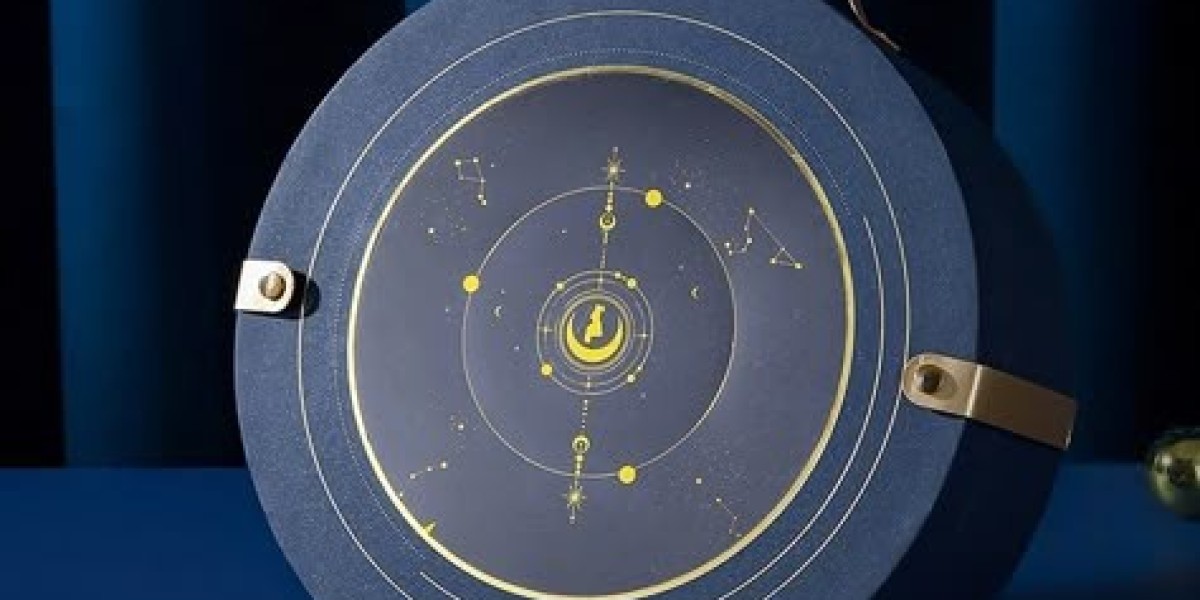
A circular silhouette behaves differently in a retail environment than a square one does. This shape breaks the visual rhythm of a shelf lined with rectangular packaging, often earning a second glance without any extra foil work or printing. The form itself becomes the differentiator, before a customer even reads what's inside.
This style also tends to suit gifting and seasonal products, where curved walls suggest something a little more ceremonial, think hatboxes, specialty teas, or candles. Because the interior volume of a cylinder is used less efficiently than a rectangular box, brands typically reserve this shape for products where presentation matters as much as shipping density.
What the Numbers Say About Packaging and Purchase Decisions
This isn't only a design preference. Research from the Paper and Packaging Board has found that roughly seven in ten consumers say the way a product is packaged influences whether they decide to buy it, an effect that's especially strong for gifts and self-purchases in beauty and specialty categories. A book-style opening or a rounded silhouette is part of what that kind of research is actually picking up, packaging is doing persuasive work before the product inside is even visible. For brands selling anything positioned as a gift, a keepsake, or a small luxury, that persuasive effect is worth designing around rather than treating as an afterthought once the product itself is finished.
Frequently Asked Questions
Are Rigid Book Sleeves more expensive than standard folding cartons?
Generally, yes. Rigid Book Sleeves use heavier board and more assembly steps, but the added durability and reuse value often offset the higher unit cost for gift-tier or premium products.
Can round boxes carry printed graphics as well as square ones can?
Yes. Curved surfaces suit wrap-around labels, foil bands, and seamless full-circumference designs, which often look cleaner on this shape than a flat panel graphic would.
Which shape ships more efficiently?
Rectangular, book-style boxes generally nest and stack better for freight. Round packaging needs more cushioning and void-fill to travel safely, which can add to shipping cost.
Bringing the Right Shape to Your Packaging Strategy
Neither shape is universally better, the right structure depends on what the product needs to communicate the moment it's opened. Brands weighing their options within a Custom Rigid Set Up Boxes lineup should treat shape as a strategic decision rather than a finishing touch: a book-style case signals permanence and care, while Round Shaped Rigid Boxes signal occasion and delight. Getting that choice right, before a single color is even chosen, is often what makes packaging feel genuinely expensive rather than just look expensive.