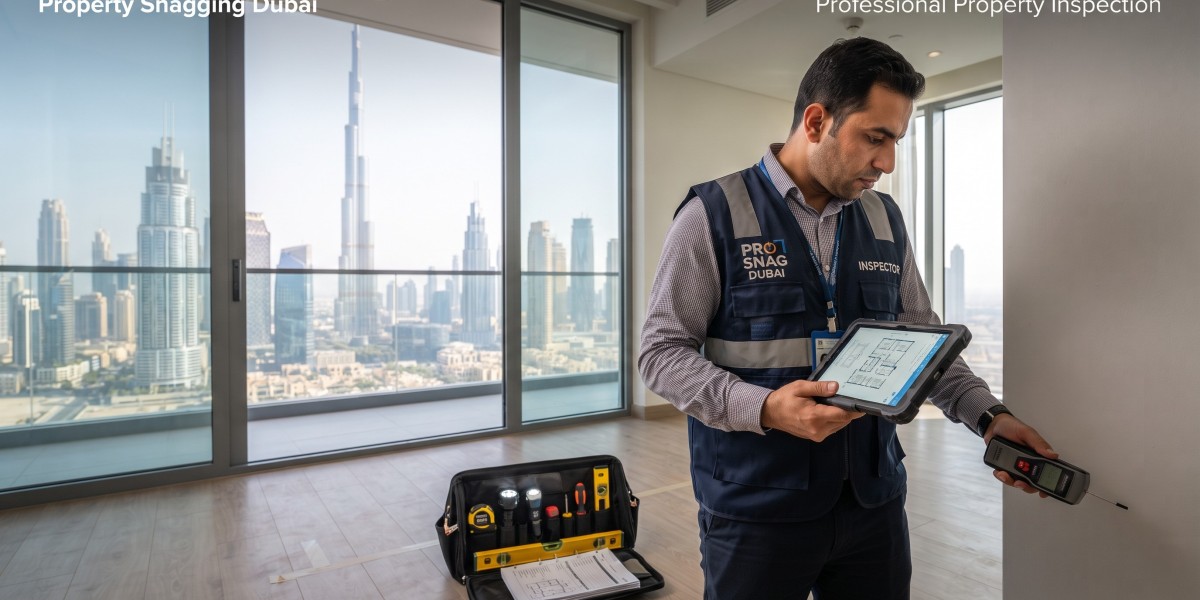

Buying a new property in Dubai is an important investment, and receiving the keys can be an exciting moment. However, a property may look perfect during a quick walkthrough while still having unfinished work, installation problems, cosmetic defects, or issues with important systems. This is where Property snagging Dubai becomes useful. Property snagging is a detailed inspection carried out to identify defects and incomplete work before or around the handover process. Common issues can include damaged finishes, faulty electrical points, plumbing problems, poor drainage, door alignment, window problems, air conditioning concerns, and other defects that may not be obvious at first glance.
What Is Property Snagging Dubai?
Property snagging Dubai refers to the process of carefully inspecting a property to identify defects, unfinished work, poor workmanship, or items that do not appear to match the agreed property specifications. Although snagging is particularly common with newly built apartments, villas, and townhouses, a detailed inspection can also be useful when dealing with renovated or resale properties. The purpose is to create a clear record of problems so that the responsible party can be informed and the necessary corrective work can be requested. A professional snagging inspection generally examines both visible finishes and functional elements rather than focusing only on appearance.
Why Is Property Snagging Important in Dubai?
Property snagging is important because defects can become more difficult, expensive, or inconvenient to address after a buyer has moved into a property. A detailed inspection gives the buyer an opportunity to identify problems while the property is still being handed over and before normal occupation makes certain defects harder to investigate. A snagging report also creates a written record that can make communication with the developer or responsible party more organised. Property inspection guidance for Dubai commonly recommends documenting defects clearly and submitting them formally rather than relying only on verbal discussions during a handover appointment.
When Should Property Snagging Be Done?
The ideal time for property snagging is around the handover stage, before the buyer fully accepts the property and begins normal occupation. The exact process can depend on the purchase agreement, developer procedures, and circumstances of the property, so buyers should review their contractual documents carefully. Inspecting before acceptance gives the buyer a better opportunity to document visible and functional problems and request rectification through the applicable handover process. Buyers should also understand that signing handover documents does not necessarily mean every possible future defect disappears, because contractual defect liability arrangements and legal protections may continue to apply depending on the circumstances.
What Does a Property Snagging Inspection Cover?
A property snagging inspection can cover many areas of a home, including walls, ceilings, flooring, tiles, doors, windows, cabinets, plumbing fixtures, drainage, electrical points, air conditioning, kitchen fittings, bathrooms, balconies, and other installed features. The inspection should look for both visible defects and functional problems. For example, a door may appear acceptable but fail to close correctly, while a bathroom may look finished but have drainage or water-flow concerns. A thorough inspection therefore goes beyond simply walking through rooms and looking at the decoration.
Checking Walls and Ceilings During Snagging
Walls and ceilings are among the easiest areas to inspect visually, but they still require careful attention. A snagging inspection may identify uneven paint, visible cracks, stains, poor finishing, surface damage, inconsistent textures, gaps, or incomplete touch-ups. Small cosmetic defects may not always create a serious technical problem, but documenting them before handover can help ensure that the property is delivered in the expected condition. Moisture-related marks or unusual surface changes should receive additional attention because they may indicate an issue that requires further investigation rather than simple cosmetic repair.
Inspecting Floors and Tiles
Flooring and tiles should be examined for visible damage, uneven installation, poor alignment, damaged edges, incomplete grout, gaps, loose areas, and inconsistent finishing. A professional inspection may use appropriate methods to identify issues that are not immediately visible during a casual walkthrough. Flooring problems can affect appearance, comfort, and long-term durability, while poor bathroom or balcony tile installation can sometimes contribute to drainage concerns. Careful inspection of these surfaces helps create a more complete snagging report and gives the responsible party clear information about the required correction.
Checking Doors and Windows
Doors and windows should be tested rather than inspected only visually. A snagging inspection can check whether doors open and close correctly, whether locks and handles operate properly, and whether frames appear correctly aligned. Windows can also be examined for damaged components, sealing concerns, alignment, opening mechanisms, and visible installation problems. These elements are important because problems with doors and windows can affect security, comfort, ventilation, water resistance, and everyday use. Recording defects clearly can make it easier for the developer or contractor to understand what needs attention.
Electrical Inspection During Property Snagging
Electrical systems are an important part of a property snagging inspection because faults may not always be visible. Switches, sockets, lighting points, appliances, and other accessible electrical features can be checked for proper operation where appropriate and safe to do so. The inspection may also consider visible wiring, electrical panels, fixtures, and signs of poor installation. Electrical work should always be assessed with appropriate safety precautions, and specialist testing may be necessary when an issue goes beyond a basic functional check. Identifying electrical problems early can help prevent inconvenience and potential safety concerns after occupation.
Plumbing and Water Checks
Plumbing inspection is another important part of Property snagging Dubai because water-related defects can lead to significant inconvenience if they remain unnoticed. Inspectors may check taps, sinks, toilets, showers, water pressure, visible pipe connections, drainage, and other accessible plumbing fixtures. Signs of leakage, slow drainage, unusual moisture, poor sealing, or incorrect installation should be documented. Bathrooms, kitchens, balconies, and utility areas deserve particular attention because these spaces commonly contain multiple water-related systems that need to work correctly before the property is accepted.
Air Conditioning Inspection
Air conditioning is especially important in Dubai because residents depend heavily on cooling systems for indoor comfort. A snagging inspection can assess whether accessible air conditioning systems appear to operate correctly and whether there are visible signs of leakage, unusual airflow, poor cooling, damaged vents, or installation problems. Where the system can be safely operated, checking different areas of the property can help identify uneven performance. Since some HVAC problems may require specialist equipment or technical knowledge, more detailed investigation may be appropriate when unusual performance or moisture is detected.
Kitchen and Bathroom Snagging
Kitchens and bathrooms contain numerous fittings, surfaces, fixtures, connections, and functional components, making them important areas during a snagging inspection. Kitchen cabinets should be checked for alignment, doors and drawers should operate properly, countertops should be examined for damage, and installed appliances should be checked where appropriate. Bathrooms should be inspected for tile quality, grout, sanitary fixtures, taps, drainage, seals, doors, and visible plumbing concerns. Because these rooms combine electrical, plumbing, ventilation, and finishing elements, a careful inspection can reveal problems that a simple visual walkthrough may miss.
Balcony and Outdoor Areas
Balconies, terraces, and other outdoor areas should also be included in property snagging where they form part of the property. Inspectors can look at flooring, drainage, doors, railings, finishes, waterproofing indicators, and visible installation quality. Proper drainage is particularly important because standing water can create long-term problems if it is not addressed. Outdoor doors and seals should also be checked because they form a connection between internal living areas and the external environment. Any visible damage or functional concern should be photographed and documented in the snagging report.
What Is a Professional Snagging Report?
A professional snagging report is a structured record of the defects identified during the inspection. A useful report should make it easy to understand where each issue is located, what the problem is, and what type of corrective work may be required. Photographs can provide valuable visual evidence and help the developer or contractor locate the issue without confusion. A well-organised report can also make follow-up inspections easier because the buyer can compare the original defects with the completed rectification work.
Why Hire a Professional Property Snagging Inspector?
A buyer can perform a basic visual inspection independently, but professional snagging can provide a more systematic approach. Experienced inspectors understand common construction and finishing issues and know which areas deserve additional attention. They may also use specialist inspection techniques or equipment when appropriate. This can be particularly useful for buyers who are purchasing their first property, live outside Dubai, have limited construction knowledge, or do not have enough time to inspect every part of the property carefully. A professional inspection does not guarantee that every hidden defect will be discovered, but it can make the inspection process more thorough and structured.
What Happens After Snagging?
After the inspection, identified defects should be organised into a clear report and communicated through the appropriate developer or property management process. Buyers should keep copies of the report, photographs, correspondence, and any responses relating to rectification. Once the responsible party has completed the corrective work, a follow-up inspection can help determine whether the reported problems have actually been resolved. This step is useful because a repair may sometimes be incomplete or may introduce another finishing issue. Keeping a clear record throughout the process can make communication easier and provide a useful history of the property's condition.
Property Snagging for New Apartments in Dubai
New apartments can benefit significantly from snagging because many different trades and systems are involved in completing a modern residential unit. Painting, flooring, cabinetry, plumbing, electrical installation, air conditioning, doors, windows, appliances, and other components all need to work together. Even when a building looks complete from the outside, individual units can contain defects or unfinished details. A detailed property snagging inspection gives the buyer a structured opportunity to examine the apartment before normal occupation and identify areas requiring attention.
Property Snagging for Villas and Townhouses
Villas and townhouses generally contain more spaces and systems than many apartments, so their inspection can require broader coverage. In addition to internal rooms, inspectors may need to consider balconies, terraces, external doors, utility spaces, parking areas, landscaped areas where applicable, and other property-specific features. Larger properties can also contain more installations and finishing details, which increases the importance of a systematic inspection. The inspection should be adapted to the actual property rather than relying on a generic checklist that may overlook features specific to the home.
Common Snags Found in Dubai Properties
Common property snags can include damaged paint, cracked tiles, incomplete grout, misaligned doors, window problems, loose fittings, faulty switches, drainage concerns, plumbing leaks, cabinet defects, poor sealant, air conditioning problems, and incomplete finishing. Some defects are purely cosmetic, while others can affect functionality, comfort, or long-term maintenance. Not every snag has the same level of importance, so a good report should clearly describe the issue and help the responsible party understand what needs to be corrected.
How Property Snagging Can Protect Your Investment
Property snagging can help protect a buyer's investment by identifying defects before they become the buyer's routine maintenance burden. Early identification can also reduce the chance of forgetting minor problems that become more noticeable after moving in. A documented inspection provides a clearer record of the property's condition during the handover stage. Buyers should still understand their purchase contract and applicable defect liability arrangements because snagging is an inspection process rather than a replacement for contractual or legal advice.
Tips for a Smooth Snagging Process
A smooth snagging process begins with preparation. Buyers should review the property specifications, purchase documents, available handover information, and developer procedures before the inspection. The property should be inspected systematically instead of randomly moving from one room to another. Photographs should clearly show the location and nature of each defect, while written descriptions should explain the issue in simple language. Buyers should also keep copies of submitted reports and communications so that the rectification process can be followed from the initial inspection through the final recheck.
Frequently Asked Questions About Property Snagging Dubai
What is Property snagging Dubai?
Property snagging Dubai is the process of inspecting a property to identify defects, incomplete work, poor finishes, and functional problems around the handover stage. The findings are recorded in a snagging report so the responsible party can review and address them.
Is property snagging only for new properties?
Property snagging is most commonly associated with newly built properties, particularly around developer handover, but inspection can also be useful for renovated and resale properties. The purpose and process may differ depending on whether the property is new, renovated, or previously occupied.
What does a property snagging inspection check?
A property snagging inspection can check finishes, walls, ceilings, floors, tiles, doors, windows, plumbing, drainage, electrical points, air conditioning, kitchens, bathrooms, balconies, and other accessible property features. The exact inspection scope depends on the property and service being provided.
Should snagging be done before handover?
Snagging is generally most useful before or around formal handover because it allows defects to be identified and documented while the property is being delivered. Buyers should review their contract and developer's handover process to understand the applicable procedures.
Can I do property snagging myself?
A buyer can perform a basic inspection using a suitable checklist, but professional snagging may provide a more systematic assessment and can be helpful when the buyer lacks construction knowledge or cannot inspect the property personally. A professional inspection can also help organise findings into a formal report.
What should a snagging report contain?
A useful snagging report should clearly identify each defect, describe its location and condition, and provide supporting photographs where appropriate. A structured report makes it easier for the developer or contractor to understand the required corrective work and allows the buyer to track the status of reported issues.
What happens after the snagging inspection?
After the inspection, the identified defects are normally communicated through the relevant developer or property management process. The responsible party can then review and rectify the reported issues. A follow-up inspection can be useful to check whether the corrective work has been completed properly.
Can snagging find hidden defects?
A detailed inspection can identify signs of potential hidden problems, but no visual or non-invasive inspection can guarantee that every concealed defect will be discovered. Specialist testing may be required for certain technical issues, particularly when a problem involves areas that cannot be accessed during a normal inspection.
Conclusion
Property snagging Dubai is an important part of the property handover process because it gives buyers an opportunity to identify defects, unfinished work, and functional concerns before settling into their new property. A thorough inspection should cover much more than paint and decoration, with attention given to flooring, doors, windows, plumbing, drainage, electrical systems, air conditioning, kitchens, bathrooms, balconies, and other relevant areas. A clear snagging report supported by photographs can make the rectification process easier to manage and provides a useful record of the property's condition. Whether a buyer chooses to inspect independently or hire a professional, careful preparation and systematic checking can make the handover process more organised and help ensure that the property is delivered in the expected condition.