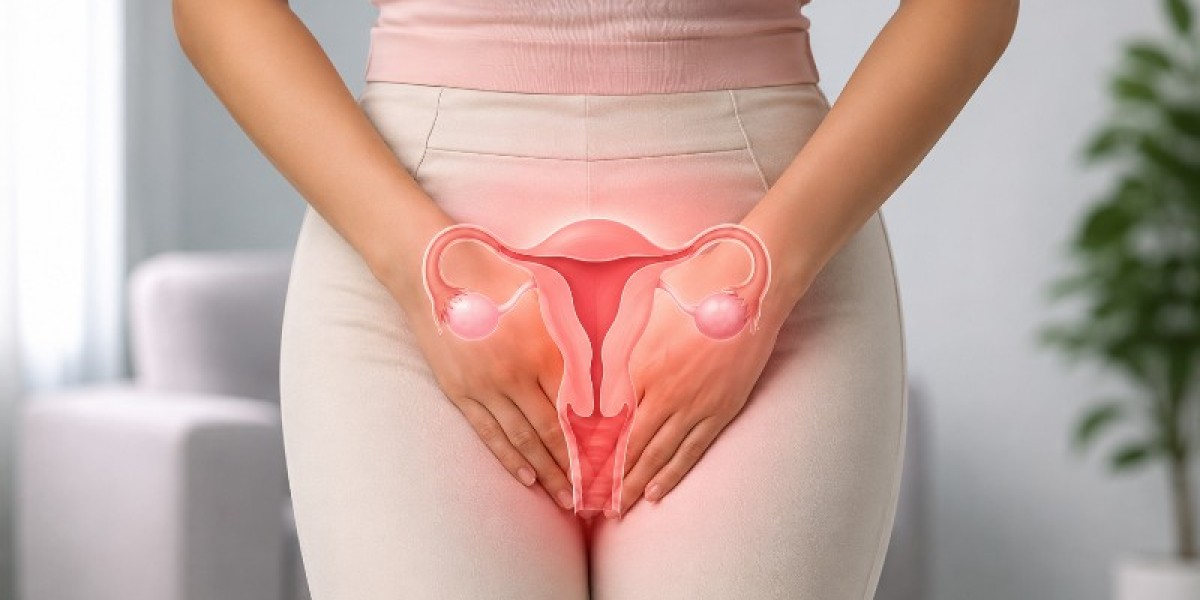

Uterine prolapse is a common pelvic floor condition that affects many women, especially after childbirth, menopause, or with increasing age. It occurs when the uterus moves downward into the vaginal canal due to weakened supporting muscles and tissues. Many women wonder if surgery is the only solution. The good news is that mild to moderate cases can often be managed with non-surgical treatments, lifestyle changes, and medical support. Understanding the causes, symptoms, and available treatment options helps women choose the right approach for their health and comfort.
What Is Uterine Prolapse?
Uterine prolapse happens when the pelvic floor muscles and ligaments that support the uterus become weak or stretched. These supportive tissues normally hold the uterus in its proper position, but weakening can allow the uterus to drop lower into the vagina.
The condition is categorized into different stages based on severity. Mild prolapse may cause slight discomfort, while advanced cases can lead to the uterus protruding outside the vaginal opening. The treatment approach depends on the degree of prolapse, symptoms, overall health, and personal preferences.
Many women with early-stage uterine prolapse do not require surgery. A gynecologist can recommend suitable non-surgical methods to strengthen pelvic support and reduce symptoms.
What Causes Uterine Prolapse?
Several factors can contribute to weakening of the pelvic floor muscles and increase the risk of uterine prolapse. Understanding these causes can help with prevention and early management.
Pregnancy and Childbirth
Pregnancy places significant pressure on the pelvic floor muscles and supporting tissues. Vaginal delivery, especially multiple births or complicated deliveries, can stretch these tissues and reduce their strength over time.
Women who have experienced large babies, prolonged labor, or repeated childbirth may have a higher risk of developing uterine prolapse.
Aging and Menopause
Estrogen plays an important role in maintaining the strength and elasticity of pelvic tissues. After menopause, estrogen levels decrease, which can weaken the muscles and connective tissues supporting the uterus.
This natural aging process can increase the possibility of pelvic organ prolapse in some women.
Chronic Pressure on Pelvic Muscles
Activities or conditions that repeatedly increase pressure inside the abdomen can contribute to uterine prolapse. Common factors include:
- Chronic coughing
- Long-term constipation and straining during bowel movements
- Heavy lifting
- Obesity
- Certain high-impact physical activities
Managing these conditions can help reduce stress on pelvic support structures.
Genetic and Connective Tissue Factors
Some women naturally have weaker connective tissues due to genetic factors. This can make the pelvic support system more vulnerable, even without major risk factors.
Symptoms of Uterine Prolapse
Symptoms can vary depending on the severity of the condition. Some women may have no noticeable symptoms, while others experience discomfort that affects daily activities.
Common signs include:
- A feeling of pressure or heaviness in the pelvis
- A sensation of something coming down in the vagina
- Lower back discomfort
- Difficulty with urination or bowel movements
- Urinary leakage
- Discomfort during sexual activity
- Visible tissue bulging from the vaginal opening in advanced cases
Women experiencing these symptoms should consult a gynecologist for proper evaluation and diagnosis.
Can Uterine Prolapse Be Treated Without Surgery?
Yes, many cases of uterine prolapse can be treated without surgery, particularly mild to moderate cases. Non-surgical treatments focus on strengthening pelvic muscles, supporting the uterus, and managing factors that contribute to worsening symptoms.
The most suitable treatment depends on the stage of prolapse and the impact it has on daily life.
Pelvic Floor Exercises (Kegel Exercises)
Pelvic floor exercises are one of the most recommended non-surgical treatments for uterine prolapse. These exercises strengthen the muscles that support the uterus, bladder, and rectum.
Kegel exercises involve tightening and relaxing the pelvic floor muscles repeatedly. Regular practice can improve muscle strength and provide better support for pelvic organs.
A pelvic floor physical therapist can also guide women through specialized exercises and techniques to ensure correct muscle activation.
Pelvic Floor Physical Therapy
Pelvic floor therapy is a personalized treatment option designed to improve muscle function and reduce symptoms. A trained therapist evaluates pelvic muscle strength and creates an exercise plan based on individual needs.
Therapy may include:
- Muscle strengthening exercises
- Relaxation techniques
- Posture improvement
- Breathing exercises
- Training for bladder and bowel control
This approach can be especially helpful for women who struggle to perform pelvic exercises correctly on their own.
Use of a Vaginal Pessary
A vaginal pessary is a medical device placed inside the vagina to support the uterus and other pelvic organs. It is a common non-surgical option for women who want symptom relief without undergoing an operation.
Pessaries come in different shapes and sizes, and a gynecologist selects the appropriate type based on the woman’s condition.
Benefits of a pessary include:
- Immediate pelvic support
- Reduced pressure and discomfort
- Improved bladder symptoms
- Option for women who are not ready or suitable for surgery
Regular medical checkups are necessary to ensure proper fitting and prevent complications.
Lifestyle Changes for Managing Uterine Prolapse
Healthy lifestyle habits can reduce pressure on pelvic tissues and support treatment outcomes.
Important lifestyle adjustments include:
Maintaining a Healthy Weight
Excess body weight increases pressure on pelvic organs. Achieving and maintaining a healthy weight can reduce strain on the pelvic floor.
Preventing Constipation
Straining during bowel movements can worsen prolapse symptoms. Eating fiber-rich foods, drinking enough water, and staying physically active can support healthy bowel habits.
Avoiding Heavy Lifting
Repeated heavy lifting can increase abdominal pressure and place additional stress on weakened pelvic muscles. Using proper lifting techniques and avoiding unnecessary strain can help protect pelvic health.
Treating Chronic Cough
Long-term coughing repeatedly increases pressure in the abdomen. Managing respiratory conditions and seeking medical advice for persistent cough can reduce pelvic stress.
Hormonal Treatment After Menopause
For some postmenopausal women, vaginal estrogen therapy may be recommended to improve the health of vaginal tissues. Stronger tissues may provide better comfort and support, although estrogen therapy does not reverse prolapse itself.
A gynecologist can determine whether this option is suitable based on medical history and individual needs.
When Is Surgery Considered for Uterine Prolapse?
Non-surgical treatments can help many women manage symptoms, but surgery may be recommended in certain situations. Surgical treatment is generally considered when:
- Prolapse is severe
- The uterus extends outside the vagina
- Symptoms significantly affect daily activities
- Non-surgical methods do not provide enough relief
Surgical options vary depending on the woman’s condition and may include procedures to repair pelvic support tissues or remove the uterus in specific cases.
A detailed discussion with a gynecologist helps determine the most appropriate treatment plan.
How to Prevent Uterine Prolapse From Getting Worse
Although not all cases can be prevented, certain habits can help protect pelvic floor strength:
- Practice pelvic floor exercises regularly
- Maintain a healthy body weight
- Avoid excessive heavy lifting
- Manage constipation effectively
- Seek treatment for chronic coughing
- Attend regular gynecological checkups
Early diagnosis and proper management can prevent symptoms from becoming more severe.
Book Online Appointment With the Best Gynecologist Via InstaCare
Women experiencing pelvic pressure, discomfort, urinary issues, or symptoms of uterine prolapse should seek professional medical guidance. A qualified gynecologist can evaluate the condition, identify the severity, and recommend suitable treatment options, including non-surgical approaches.
You can book an online appointment with the best gynecologist via InstaCare for expert consultation, timely diagnosis, and personalized care from the comfort of your home.
Conclusion
Uterine prolapse does not always require surgery. Many women can successfully manage symptoms through pelvic floor exercises, physical therapy, pessary support, lifestyle modifications, and medical guidance. The right treatment depends on the severity of prolapse and individual health needs. Consulting a gynecologist at an early stage can help improve comfort, maintain quality of life, and prevent the condition from progressing.
Frequently Asked Questions (FAQs)
1. Can mild uterine prolapse heal without surgery?
Mild uterine prolapse can often be managed without surgery. Pelvic floor exercises, lifestyle changes, and medical support can strengthen pelvic muscles and reduce symptoms.
2. Are Kegel exercises effective for uterine prolapse?
Yes, Kegel exercises can help strengthen pelvic floor muscles and provide better support for the uterus. They are most effective when performed correctly and consistently.
3. Can a pessary treat uterine prolapse permanently?
A pessary does not permanently cure uterine prolapse, but it can provide support, reduce symptoms, and improve daily comfort for many women.
4. Is uterine prolapse dangerous?
Uterine prolapse is usually not life-threatening, but untreated severe cases can cause discomfort, urinary problems, bowel issues, and reduced quality of life.
5. When should I see a gynecologist for uterine prolapse symptoms?
You should consult a gynecologist if you notice pelvic pressure, vaginal bulging, urinary problems, pain, or discomfort during daily activities or sexual intercourse. Early evaluation helps determine the best treatment approach.






