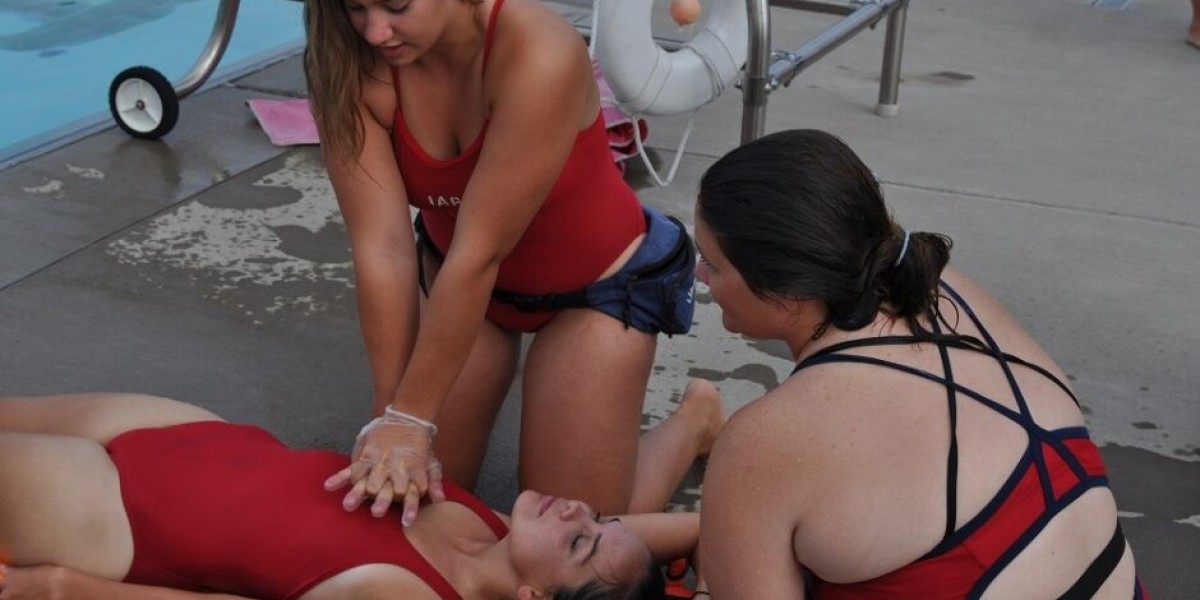

Lifeguard recertification is the process of renewing an existing lifeguard credential through additional training, skills practice, and required assessments. It helps lifeguards maintain the knowledge, physical abilities, and emergency-response skills necessary to protect swimmers and respond effectively to aquatic emergencies.
Lifeguarding is a responsibility that requires continuous readiness. Even experienced lifeguards must regularly refresh their water-rescue techniques, CPR procedures, AED skills, First Aid knowledge, surveillance methods, and emergency-response abilities.
Whether we work at a swimming pool, waterpark, hotel, resort, summer camp, beach, or recreational facility, keeping our certification current is essential. An expired credential may prevent us from working until we successfully complete the appropriate renewal process.
In this guide, we explain what lifeguard recertification is, when it is required, who qualifies, what the training includes, how long the process takes, how much it may cost, and how to prepare for a successful renewal.
What Is Lifeguard Recertification?
Lifeguard recertification is a renewal program designed for individuals who have already completed an approved lifeguard training course.
Unlike an initial lifeguard certification course, a recertification program generally focuses on reviewing and evaluating skills that participants have previously learned.
A typical recertification course may include:
- Water-rescue techniques
- Lifeguard surveillance
- CPR
- AED operation
- First Aid
- Emergency action plans
- Team-based rescue scenarios
- Victim extrication
- Written examinations
- Practical skills assessments
The exact requirements depend on the certification provider, the type of lifeguarding credential, and the expiration status of the existing certificate.
For example, the American Lifeguard Association offers lifeguarding recertification options that combine skills review, practice, and final assessments. Successful participants may renew their certification for another two years.
Why Is Lifeguard Recertification Important?
Lifeguards must be prepared to respond quickly and accurately during emergencies. Rescue procedures, CPR techniques, and emergency protocols can become less familiar when they are not practiced regularly.
Recertification helps us maintain professional readiness and identify areas that require improvement.
Maintaining Current Credentials
Many aquatic employers require lifeguards to hold a current and recognized certification. Recertification helps us meet ongoing employment requirements.
Refreshing Emergency Skills
Water rescues, CPR, AED use, and First Aid require practical knowledge. Recertification provides an opportunity to review and practice these essential skills.
Improving Confidence
Regular training can help lifeguards feel more prepared to respond to emergencies and work effectively with other members of an aquatic team.
Supporting Workplace Safety
A well-trained lifeguard team can respond more consistently to emergencies and follow the facility’s emergency action plan more effectively.
Meeting Employer Requirements
Some employers require staff members to renew their credentials before the official expiration date. We should always confirm the renewal policy with the facility where we work.
When Should We Complete Lifeguard Recertification?
We should begin planning our recertification well before our current certification expires.
Many major lifeguarding programs issue credentials that remain valid for two years. However, expiration rules and renewal windows vary between organizations.
For example, the American Lifeguard Association currently allows eligible participants with a current certification or a certification that expired no more than 30 days earlier to enroll in its lifeguarding recertification course. Individuals whose certification expired beyond that period may need to complete the full initial course instead.
To avoid interruptions in employment, we should:
- Check the expiration date on our certificate.
- Contact the certification provider or training center.
- Review the eligibility requirements for renewal.
- Register for a recertification course early.
- Complete any required online preparation.
- Attend every scheduled training session.
- Pass all required written and practical assessments.
Waiting until the final days before expiration may create scheduling problems if no suitable course is available.
Who Can Take a Lifeguard Recertification Course?
Eligibility depends on the certification organization and the type of renewal course.
Generally, recertification is intended for lifeguards who:
- Already hold a recognized lifeguard certification
- Have a current or recently expired credential
- Meet the provider’s renewal requirements
- Can demonstrate the required swimming abilities
- Are physically prepared to complete rescue skills
- Complete all required course components
Some providers may accept certifications issued by other recognized organizations, while others may require participants to hold a specific credential.
Before registering, we should verify whether our existing certificate qualifies for the selected recertification course.
What Does Lifeguard Recertification Include?
A recertification course is designed to review and assess the skills required for professional lifeguarding.
Water-Rescue Skills
Water-rescue practice is a central part of most lifeguard renewal programs.
Training may include:
- Approaching distressed swimmers
- Assisting active drowning victims
- Rescuing passive victims
- Performing submerged rescues
- Using rescue tubes
- Removing victims from the water
- Performing rapid assessments
- Coordinating with assisting rescuers
Participants must demonstrate that they can perform the required skills safely and effectively.
Lifeguard Surveillance
Effective surveillance helps prevent emergencies before they become serious.
During recertification, lifeguards may review:
- Scanning techniques
- Lifeguard station rotations
- Recognition of distressed swimmers
- Identification of hazardous behavior
- Monitoring assigned zones
- Communication during surveillance
- Appropriate response procedures
For example, the American Lifeguard Association includes a rotation-and-scanning assessment in its recertification process.
CPR Training
CPR skills must be refreshed regularly because they may be needed during life-threatening emergencies.
Recertification may include:
- Assessing an unresponsive person
- Checking breathing
- Activating emergency services
- Performing chest compressions
- Providing rescue breaths
- Working with another rescuer
- Continuing CPR until additional help arrives
The exact CPR procedures and testing standards depend on the certification organization.
AED Training
An automated external defibrillator, or AED, may be used during certain cardiac emergencies.
Lifeguard recertification can include practice with:
- Activating an AED
- Applying AED pads
- Following voice or visual prompts
- Coordinating AED use with CPR
- Maintaining scene safety
- Working as part of an emergency-response team
First Aid Review
First Aid skills are also important because aquatic facilities may experience injuries and medical emergencies that do not involve drowning.
Topics may include:
- Bleeding control
- Wound care
- Shock
- Heat-related illness
- Burns
- Sprains
- Fractures
- Sudden illness
- Head injuries
- Neck and spinal injuries
The specific First Aid content varies according to the certification program.
Emergency Team Response
Many aquatic emergencies require several people to work together.
During recertification, participants may practice:
- Communicating with other lifeguards
- Assigning emergency responsibilities
- Performing multiple-rescuer CPR
- Using an AED
- Coordinating victim removal
- Contacting emergency medical services
- Following the facility’s emergency action plan
Team-based practice helps us improve communication and reduce confusion during high-pressure situations.
Lifeguard Recertification Requirements
Requirements vary according to the training organization and certification type. However, common requirements include:
- Proof of an existing lifeguard certificate
- Current or recently expired certification
- Completion of any required online coursework
- Successful swimming or skills prerequisites
- Full attendance
- Successful practical skills assessments
- Successful written examination
- Demonstration of CPR, AED, and First Aid competency
Some programs may require participants to complete a swimming evaluation before the course begins.
We should review the official course requirements carefully because registering for a class does not automatically guarantee successful recertification.
Lifeguard Recertification Testing
Most professional renewal programs require participants to demonstrate both knowledge and practical skills.
Testing may include:
Written Examination
A written test may evaluate knowledge of:
- Lifeguard responsibilities
- Prevention strategies
- Emergency procedures
- Water-rescue principles
- CPR and AED protocols
- First Aid
- Surveillance
- Team communication
Practical Skills Assessments
Practical testing may require participants to demonstrate:
- Water rescues
- Victim extrication
- Rapid assessment
- CPR
- AED use
- Team response
- Surveillance and rotation procedures
The American Lifeguard Association currently requires recertification participants to pass a written test and three final skills assessments. These assessments include a timed response, rotation and scanning, and a final team-response scenario.
How Long Does Lifeguard Recertification Take?
The duration of lifeguard recertification depends on the provider, course format, certification type, and skills requirements.
A recertification course is usually shorter than the original lifeguard training program because participants are expected to have prior knowledge and experience.
However, the course may still require substantial time for:
- Skills review
- Swimming assessments
- Water-rescue practice
- CPR and AED practice
- First Aid review
- Team scenarios
- Written testing
- Final practical evaluations
Some providers offer instructor-led courses, while others use a blended format that combines online coursework with in-person training.
We should review the complete schedule before enrolling and make sure we can attend every required session.
In-Person Lifeguard Recertification
In-person recertification allows participants to practice physical skills under the supervision of a qualified instructor.
Benefits may include:
- Direct instructor feedback
- Hands-on rescue practice
- CPR and AED demonstrations
- Realistic emergency scenarios
- Team-based training
- Immediate correction of technical mistakes
- Practical assessment preparation
Because lifeguarding requires physical performance, in-person training is an important part of most professional renewal programs.
Blended Lifeguard Recertification
Blended recertification combines online learning with in-person skills training.
The online portion may cover theoretical topics such as:
- Lifeguard responsibilities
- Emergency procedures
- Prevention
- CPR concepts
- First Aid principles
- Surveillance
- Communication
The in-person portion is used to practice and evaluate physical skills.
The American Lifeguard Association currently offers instructor-led and blended recertification options. Its blended format includes online learning and in-person skill demonstrations.
Before registering for a blended course, we should confirm how much online preparation is required and when it must be completed.
Can We Complete Lifeguard Recertification Online?
In most cases, professional lifeguard recertification cannot be completed entirely online because essential skills must be demonstrated in person.
Lifeguards must be able to perform physical tasks such as:
- Water rescues
- Submerged victim recovery
- Victim extrication
- CPR
- AED use
- Team-based emergency response
- Surveillance procedures
Online learning may be useful for reviewing knowledge, but it does not replace hands-on skills evaluation.
We should avoid any program that claims to renew a professional lifeguard credential without the practical assessments required by the issuing organization or employer.
How Much Does Lifeguard Recertification Cost?
The cost of lifeguard recertification varies based on several factors, including:
- Training provider
- Geographic location
- Certification type
- Course duration
- Instructor fees
- Online learning materials
- Facility rental costs
- Testing fees
- CPR and First Aid components
Some providers offer discounts for:
- Returning employees
- Groups
- Seasonal lifeguards
- Aquatic facility staff
- Early registration
- Employer-sponsored training
Before registering, we should confirm whether the price includes:
- Online coursework
- In-person training
- Practical skills testing
- Written examination
- CPR certification
- AED certification
- First Aid certification
- Digital or printed certification documents
Comparing the complete course package is more useful than comparing the registration fee alone.
How to Prepare for Lifeguard Recertification
Preparation can improve our performance and help us approach the course with greater confidence.
Review Rescue Techniques
Refresh the rescue techniques covered in our original certification course. Pay special attention to approaches, assists, submerged rescues, and victim removal.
Practice Swimming
Improve swimming endurance before attending the course. Practice continuous swimming and efficient movement in the water.
Practice Treading Water
Treading water is an important skill for many lifeguarding programs. Focus on maintaining a stable position without becoming unnecessarily fatigued.
Review CPR and AED Procedures
Review the basic sequence of emergency response, CPR, and AED operation before the course begins.
Improve Physical Fitness
Lifeguarding requires strength, stamina, flexibility, and coordination. Cardiovascular exercise and basic strength training may help us prepare.
Review Emergency Action Plans
If we are renewing for an existing employer, review the facility’s emergency action plan and staff responsibilities.
Complete Online Work Early
If the course includes online preparation, complete it before the deadline so that we can focus on practical training during the in-person sessions.
Get Adequate Rest
Recertification can be physically demanding. Adequate sleep, hydration, and nutrition can help us remain focused and prepared.
What Happens If Our Lifeguard Certification Has Expired?
The process depends on how long the certificate has been expired and which organization issued it.
Some providers allow recently expired certifications to qualify for a recertification course. Others require participants with expired credentials to complete the full initial training program.
For example, the American Lifeguard Association currently limits eligibility for its lifeguarding recertification course to individuals with a current certification or one that expired no more than 30 days earlier.
If our certification expired several months or years ago, we should contact the training provider before registering. We may need to complete a new lifeguard certification course.
Lifeguard Recertification for Pool Lifeguards
Pool lifeguards commonly renew their credentials before the start of a new swimming season or before their current certification expires.
Pool recertification may focus on:
- Pool surveillance
- Deep-water rescues
- Victim extrication
- CPR
- AED use
- First Aid
- Emergency action plans
- Team communication
- Pool-specific hazards
The exact credential required depends on the facility’s depth, design, equipment, and employer requirements.
A shallow-water credential may not automatically qualify someone to work in every pool or aquatic environment. We should verify that the renewed certification matches the requirements of the facility.
Lifeguard Recertification for Waterparks
Waterparks may require additional training because they contain specialized attractions and high-traffic areas.
Waterpark recertification may address:
- Water-slide emergencies
- Wave-pool hazards
- Lazy-river surveillance
- Children’s play areas
- Crowd management
- Attraction-specific rescue procedures
- Communication between stations
- Emergency shutdown procedures
A standard pool credential may not cover every responsibility associated with a waterpark position. We should confirm whether additional waterpark training is required.
Lifeguard Recertification for Beaches and Open Water
Beach and open-water lifeguarding can involve different risks from pool environments.
Open-water lifeguards may need additional knowledge of:
- Waves
- Currents
- Tides
- Weather conditions
- Rip currents
- Changing water visibility
- Large surveillance areas
- Open-water rescue equipment
- Beach-specific emergency procedures
The United States Lifesaving Association focuses on standards and certification systems for open-water lifeguard agencies. Individuals seeking beach employment should check the requirements of the specific beach patrol or agency.
A pool lifeguard recertification course may not be sufficient for every beach or waterfront position.
Common Mistakes During Lifeguard Recertification
Avoiding common mistakes can help us prepare more effectively.
Waiting Until the Certificate Expires
Delaying renewal may create employment interruptions or limit the available course options.
Assuming Recertification Is Automatic
Simply attending a class does not guarantee renewal. Participants must usually pass all required tests and practical assessments.
Ignoring Swimming Fitness
Some renewal courses include swimming prerequisites or physically demanding rescue assessments.
Failing to Practice CPR
CPR skills require practice. Reviewing the procedures before the course can improve confidence.
Choosing the Wrong Course Type
A pool, shallow-water, waterpark, or open-water credential may have different requirements.
Missing a Training Session
Many providers require full attendance. Missing part of the course may prevent successful completion.
Focusing Only on the Price
We should also consider recognition, course content, instructor qualifications, practical training, and employer acceptance.
Benefits of Staying Current With Lifeguard Certification
Maintaining a current credential provides several professional benefits.
Better Employment Eligibility
Many aquatic facilities require current certification before allowing lifeguards to work.
Stronger Emergency Preparedness
Regular training helps us maintain important rescue and emergency-care skills.
Greater Professional Confidence
Consistent practice can improve confidence when responding to challenging situations.
Improved Team Performance
Recertification provides opportunities to practice communication and coordination with other lifeguards.
Career Development
Maintaining current qualifications may help us pursue additional opportunities in pools, resorts, waterparks, camps, and aquatic facilities.
Frequently Asked Questions About Lifeguard Recertification
What is lifeguard recertification?
Lifeguard recertification is a renewal program for previously certified lifeguards. It typically includes skills review, practical assessments, and written testing.
How often do we need lifeguard recertification?
Many professional lifeguard credentials are valid for two years, but the exact renewal period depends on the issuing organization and certification type.
Can we renew an expired lifeguard certificate?
It depends on the provider and how long the certificate has been expired. Some organizations allow recently expired credentials to qualify for recertification, while others require a full initial course.
Is lifeguard recertification easier than initial certification?
Recertification is generally more focused because participants already have prior training. However, we must still demonstrate the required skills and pass the applicable assessments.
Does recertification include CPR and AED?
Many professional lifeguard recertification programs include CPR and AED review or renewal. We should confirm the exact course contents before registering.
Can lifeguard recertification be completed online?
Online learning may be included in a blended course, but practical water-rescue and emergency-response skills generally require in-person assessment.
How much does lifeguard recertification cost?
Prices vary by provider, location, course format, and included certifications. We should confirm the complete cost before registration.
Do we need to pass a swimming test again?
Some providers require swimming or physical prerequisites during recertification. Requirements vary by course and certification organization.
What happens if we fail the recertification exam?
The provider may offer additional practice, remediation, or another testing opportunity. The exact policy depends on the certification organization.
Can we switch to a different certification provider?
Some organizations accept prior certifications from other recognized providers, but transfer and renewal policies vary. We should confirm eligibility before enrolling.
Conclusion
Lifeguard recertification is an essential part of maintaining professional readiness and keeping lifeguard credentials current. Through skills review, water-rescue practice, CPR, AED, First Aid, surveillance training, and emergency-response assessments, recertification helps lifeguards remain prepared for the responsibilities of aquatic safety.
We should begin the renewal process before our certification expires and carefully review the requirements of the issuing organization. It is also important to choose a course that matches the aquatic environment where we intend to work.
Whether we are employed at a swimming pool, waterpark, hotel, resort, summer camp, beach, or waterfront facility, regular recertification helps us maintain essential skills and continue serving as a reliable member of the aquatic safety team.
Keeping our certification current is not simply an administrative requirement. It is an ongoing commitment to preparedness, professionalism, and the safety of every person in and around the water.