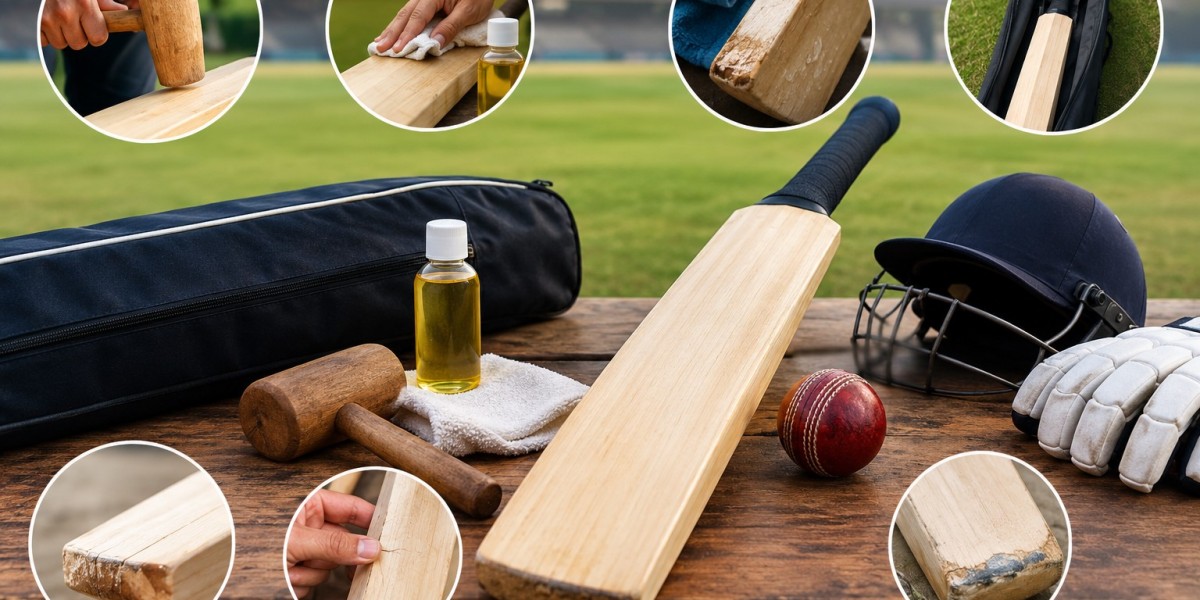

Buying a cricket bat is an exciting experience, but taking care of it properly is just as important as finding the right bat. The cricket bat is made of willow wood, which means that it needs proper preparation, storage, and inspection. Taking care of the bat properly will help maintain its performance and avoid any damage to it.
Whatever kind of cricket you play, whether professional cricket or practice in an academy, the following are the Cricket Bat Maintenance tips that can make your bat last longer.
1. Prepare Your New Bat Before Match Use
The new bat shouldn’t be subjected to fast-paced, hard cricket balls right from the start. This is because different brands have different preparation methods for their bats.
Cricket Bat Knocking is one such method used to prepare some new bats. It gradually conditions the willow to handle ball impact. This is normally done using a suitable bat mallet and controlled impacts across the playing area.
A few preparation tips include:
Start with gentle knocking and gradually increase the impact.
Pay attention to the edges and toe.
Avoid hitting the bat aggressively during the initial preparation.
Check the surface regularly for signs of damage.
Follow the manufacturer's preparation recommendations.
Proper preparation can help reduce the risk of premature damage when the bat is introduced to match conditions.
2. Oil the Bat Correctly
Willow can be affected by very dry conditions, so appropriate Cricket Bat Oiling may be recommended for certain bats. Always check the manufacturer's instructions before applying anything.
When oiling:
Use a suitable bat oil.
Apply a thin and even layer.
Avoid excessive oil.
Keep oil away from areas where it is not recommended.
Allow the bat to rest horizontally after application.
Keep it away from direct sunlight and heat.
Do not assume that more oil means better protection. Excessive oil can affect the bat's condition, so moderation is important.
3. Protect the Bat From Moisture
Water and moisture could be harmful to willow. This should be kept in mind, especially when playing under wet or rainy circumstances.
After playing in wet weather:
Dry your bat by wiping it softly with a clean, dry cloth.
Clean away all the moisture from the bat.
Allow the bat to air dry.
Do not keep it near any heat source.
Avoid drying it in direct sunlight.
Ensure that the bat is properly dried before you store it.
A wet bat should never be dried using a hairdryer or any other heat source.
4. Store Your Bat Properly
Good Cricket Bat Care also involves storing the bat correctly between matches.
Storage Practice | Why It Matters |
Keep the bat in a dry location | Helps reduce moisture-related problems |
Use a suitable bat cover | Protects against dust and accidental knocks |
Avoid extreme heat | Natural willow can be affected by excessive heat |
Keep it away from heavy objects | Reduces the risk of accidental damage |
Store only when completely dry | Helps prevent moisture from being trapped |
Avoid leaving your bat inside a car for extended periods, particularly during hot weather. High temperatures inside a parked vehicle can be much greater than the outdoor temperature.
5. Check Your Bat After Every Few Sessions
You do not need to wait until something goes seriously wrong before inspecting your bat. A quick check after practice or a match can help you notice problems early.
Look for:
Small cracks on the playing surface
Damage around the edges
Toe separation or damage
Loose stickers
Changes around the splice
Unusual movement in the handle
Deep dents or excessive surface marks
If something looks unusual, avoid continuing to use the bat without getting the issue assessed.
6. Do Not Ignore Small Cracks
Minor surface marks can occur naturally as a bat is used. However, cracks that continue to grow or appear in important areas deserve attention.
Professional Bat Repair can be considered when damage becomes noticeable. The appropriate repair depends on where the damage has occurred and how serious it is.
For example, Cricket Bat Crack Repair Services may be required when a crack begins expanding around the blade, edge, or other vulnerable area. Instead of using household glue or attempting complicated repairs yourself, it is better to consult someone experienced with cricket bat repairs.
7. Give Extra Attention to the Toe
The toe is one of the areas most exposed to the ground, moisture, and repeated impact. Repeatedly tapping the bat against the crease can also put unnecessary stress on this area.
If the toe becomes damaged, professional Bat Toe Repair may help restore its usability, depending on the condition of the bat.
To protect the toe:
Avoid unnecessarily hitting the ground with the bat.
Keep the toe dry.
Inspect it regularly.
Consider suitable toe protection where appropriate.
Address visible damage early.
8. Use the Bat Only for Cricket
It may sound obvious, but using a cricket bat for unsuitable activities can cause unnecessary damage.
Avoid:
Hitting objects other than cricket balls.
Using the bat against inappropriate practice equipment.
Throwing or dropping the bat.
Hitting the ground aggressively.
Allowing heavy equipment to fall on it.
Using a new bat against extremely hard balls before preparation.
The way you use the bat has a direct effect on how long it remains in good playing condition.
9. Transport It Safely
It is necessary to ensure that your bat is safe while going to practice sessions, games, and even tournaments.
Using a padded bat cover or cricket kit will help to avoid any unintentional impact while moving. It is important to ensure that your bat does not get crushed by heavy objects like shoes and other items.
If you travel by car, avoid leaving your bat inside the car for too long.
Quick Cricket Bat Maintenance Checklist
Follow the following easy checklist to develop your own routine:
Make sure you prepare your bat according to the manufacturer’s specifications.
Apply oil only when needed.
Protect your bat from any exposure to excess moisture.
Ensure that your bat dries up naturally after playing on wet grounds.
Store your bat in a dry place.
Check out the blade, edges, splice, handle, and toe.
Repair cracks before they worsen.
Cover your bat with a protective sleeve while transporting.
Avoid any unnecessary impacts and tapping on the ground.
How Often Should You Check Your Bat?
There is no single schedule that suits every player. The more frequently and aggressively you play, the more often you should inspect your bat.
| Usage Level | Suggested Check |
| Occasional weekend player | Every few matches |
| Regular club player | After most matches |
| Academy player | Regularly after training |
| Competitive player | Before and after important matches |
The purpose is not to over-maintain the bat but to notice changes before they become major problems.
Make Bat Care Part of Your Routine
Since a cricket bat may be an expensive item, proper care of your bat should form part of your daily cricketing activities. Prepare your bat well, safeguard it from moisture and heat, store it correctly, and examine it from time to time.
Simple actions like drying the bat in case it gets wet during practice, covering it with a case, and dealing with any small damage will make a lot of difference. With proper care and use, your bat will stay reliable for a long time.