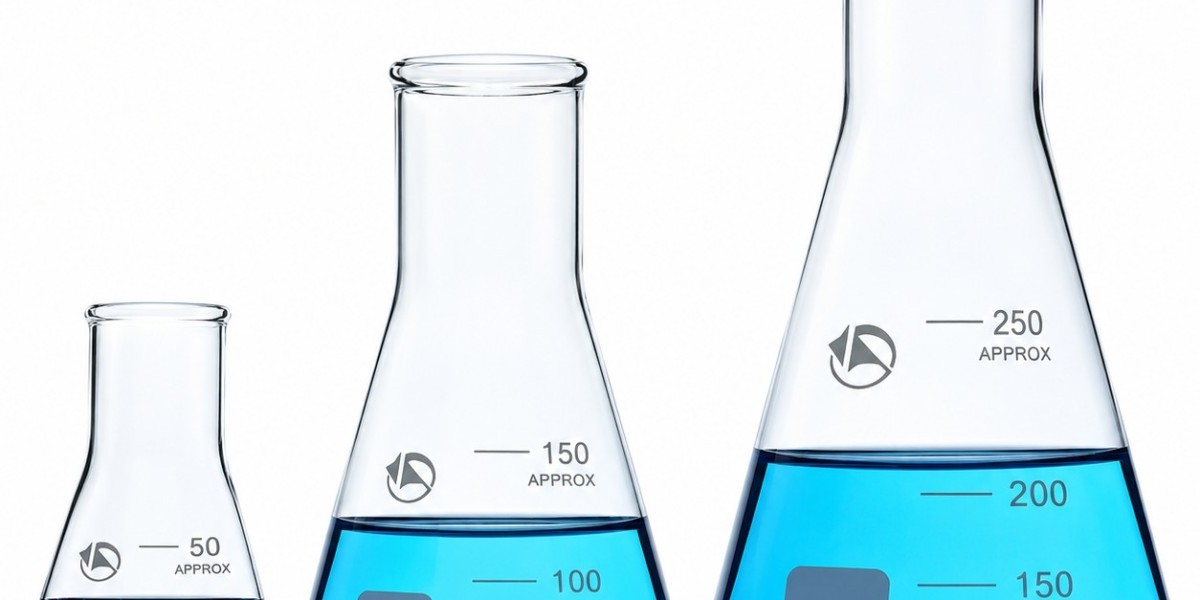

A triangular beaker is a useful piece of laboratory glassware designed for handling, mixing, heating, and transferring liquids and chemical solutions. Unlike the familiar straight-sided laboratory beaker, a triangular or conical beaker has sloping sides that create a wider base and narrower opening. This shape can improve stability and help reduce splashing or evaporation during certain laboratory procedures. The term triangular beaker is commonly associated with the Phillips or conical beaker, although some laboratory suppliers also use the term for triangular-shaped plastic beakers with pouring corners. Understanding the design, materials, uses, advantages, and limitations of a triangular beaker can help students, researchers, technicians, and laboratory professionals choose suitable glassware for their work.
What Is a Triangular Beaker?
A triangular beaker is a laboratory vessel with a body that tapers from a wider bottom toward a narrower opening. The design combines some useful characteristics of a conventional beaker with the sloping shape associated with laboratory flasks. The broad base provides a stable platform on a laboratory bench, while the narrower upper section can help reduce splashing and limit the exposed surface area of a liquid. Some triangular beakers are produced from borosilicate glass and include a pouring spout and approximate graduation marks. Because the terminology can vary between manufacturers, users should check the product description and specifications when a particular triangular beaker design is required.
Why Is the Triangular Beaker Useful?
The triangular beaker is useful because its shape can make certain laboratory tasks easier and more controlled. The wider bottom gives the vessel good stability, while the tapered body can make pouring and handling more convenient. The shape can also reduce the amount of liquid exposed directly to the surrounding environment compared with a wide straight-sided vessel. This can be useful when working with solutions that may splash easily or when reducing unnecessary evaporation is desirable. Its versatility makes the triangular beaker suitable for various laboratory activities involving chemical solutions, samples, reagents, and mixtures.
Design of a Triangular Beaker
The design of a triangular beaker is one of its most noticeable characteristics. A typical conical design has a broad base, sloping sides, a narrower opening, and a pouring spout near the rim. Some versions have a reinforced rim to improve durability during routine laboratory use. The tapered body can provide greater stability than a narrow vessel while still allowing convenient access to the contents. Depending on the manufacturer, a triangular beaker may also have graduation marks for approximate volume estimation. These design features make the vessel practical for general laboratory handling, although the exact design can differ between products.
Materials Used for Triangular Beakers
Triangular beakers can be manufactured from different materials depending on the intended application. Borosilicate glass is commonly used for laboratory glassware because it offers good chemical resistance and can withstand suitable temperature changes better than ordinary glass. Plastic versions are also available, particularly for applications where reduced breakage risk or particular chemical compatibility is desirable. Polypropylene is one material used for triangular or tri-cornered laboratory beakers, including designs with pouring corners. The correct material depends on the chemicals, temperature, handling requirements, and laboratory procedure involved.
Uses of a Triangular Beaker
A triangular beaker can be used for holding, mixing, stirring, heating, and transferring liquids when the vessel is appropriate for the conditions involved. It can also be useful during sample preparation and chemical analysis where a stable container with a tapered body is preferred. The wide base makes it convenient for placing the vessel on a laboratory surface, while the narrower opening can help with controlled handling of the contents. Some conical beaker designs are particularly associated with mineral analysis, alloy testing, titration-related work, and other laboratory procedures. The specific application should always match the material and design of the selected beaker.
Triangular Beaker for Mixing Solutions
Mixing solutions is one of the common tasks that laboratory vessels need to support, and the triangular beaker can be convenient for this purpose. Its open design allows users to add liquids, powders, or other materials while providing enough space for stirring. A glass stirring rod or suitable mixing equipment can be used when appropriate for the solution. The sloping walls can also help reduce the likelihood of liquid splashing over the rim during gentle mixing. However, the vessel should not be filled beyond a safe working level, particularly when the contents require vigorous stirring or movement.
Triangular Beaker for Heating
Some triangular beakers made from suitable laboratory glass can be used for heating liquids under appropriate laboratory conditions. Borosilicate glass is commonly selected for laboratory applications where resistance to thermal stress is important. Even so, not every triangular beaker should automatically be placed over a direct heat source. Users should confirm that the specific product is designed for heating and follow appropriate laboratory procedures. Sudden temperature changes, damaged glass, excessive heat, or unsuitable heating equipment can increase the risk of breakage.
Triangular Beaker for Chemical Analysis
Chemical analysis often requires laboratory vessels that are easy to handle and suitable for mixing or preparing samples. A triangular beaker can support these tasks when its material and shape are compatible with the analytical procedure. The vessel can provide a stable container for solutions while allowing convenient access through the open top. Some conical beaker designs are marketed specifically for mineral and alloy analysis, showing how this shape can be useful in specialized laboratory work. However, analytical accuracy depends on the complete procedure, and the beaker itself should not be treated as precision volumetric equipment.
Can a Triangular Beaker Measure Liquids Accurately?
A triangular beaker with graduation marks can provide a convenient estimate of liquid volume, but its markings should generally not be treated as a substitute for calibrated volumetric equipment. Beaker graduations are normally intended for approximate measurements rather than highly precise volume determination. When an experiment requires an exact volume, laboratory professionals generally use equipment designed specifically for accurate measurement, such as a graduated cylinder, volumetric flask, pipette, or burette. This distinction is important because using a beaker for precision measurement can introduce unnecessary uncertainty into an experiment.
Triangular Beaker Compared With a Standard Beaker
A standard laboratory beaker usually has straight sides, a flat bottom, and a pouring spout, while a triangular or conical beaker has sloping sides that narrow toward the top. The standard beaker provides a wide opening that is convenient for adding materials, stirring, and general laboratory handling. The triangular design offers a different balance between stability, access, and liquid containment. Neither design is automatically better for every laboratory task because the appropriate choice depends on the experiment, material, temperature, chemical environment, and required handling method.
Triangular Beaker Compared With an Erlenmeyer Flask
A triangular beaker and an Erlenmeyer flask can appear similar because both may have sloping sides and a relatively narrow upper opening. However, they are designed for different laboratory purposes and may have different proportions, rims, spouts, and handling characteristics. An Erlenmeyer flask typically has a narrow neck that makes swirling easier while reducing the risk of splashing. A conical beaker retains more of the open access associated with a beaker and may include a pouring spout. The choice between these vessels should therefore be based on the specific laboratory operation rather than appearance alone.
Advantages of a Triangular Beaker
A triangular beaker can offer several practical advantages in laboratory environments. Its broad base can provide good stability, while the tapered body may help control splashing and reduce exposed liquid surface area. A pouring spout can make transferring solutions easier, and a glass version can provide clear visibility of the contents. When made from suitable laboratory-grade material, the vessel can also be useful for routine chemical handling and selected heating applications. These benefits make the triangular beaker a versatile option for laboratories that need a vessel combining accessibility with a more controlled shape.
Choosing the Right Triangular Beaker
Choosing a triangular beaker requires attention to the material, shape, capacity, temperature requirements, chemical compatibility, and intended use. Glass may be preferred when transparency, chemical resistance, and suitable thermal performance are important, while plastic may be useful where reduced breakage or specific chemical resistance is needed. Users should also consider the size of the vessel and the expected working volume rather than filling the container close to its maximum capacity during routine work. Checking the manufacturer's specifications before use is especially important when the beaker will be exposed to heat, aggressive chemicals, or specialized laboratory conditions.
Cleaning a Triangular Beaker
Cleaning a triangular beaker properly helps prevent contamination and preserves the condition of the vessel. After use, residues should be removed using a cleaning method appropriate for the material and chemicals involved. Glass versions may be cleaned with suitable laboratory detergents and rinsed appropriately, while plastic versions may have different chemical compatibility requirements. Abrasive tools should be avoided when they could scratch or damage the surface. If a beaker has been used with hazardous chemicals, the laboratory's established decontamination procedure should be followed rather than relying on ordinary washing.
Storage and Handling
Proper handling and storage can extend the useful life of a triangular beaker and reduce the risk of accidental damage. Glass vessels should be placed carefully on stable surfaces and protected from impacts, sudden temperature changes, and contact with hard objects. Before use, users should inspect the beaker for cracks, chips, scratches, or other visible damage. Damaged laboratory glassware should not be used for demanding applications because even small defects can increase the risk of breakage. Plastic versions should also be stored according to their material requirements, especially when chemical exposure or temperature conditions could affect the vessel.
Safety When Using a Triangular Beaker
Laboratory safety should always be considered when using a triangular beaker. The appropriate precautions depend on the contents, temperature, pressure, and procedure. Users should wear suitable protective equipment and follow established laboratory practices when handling chemicals or heated solutions. A glass beaker should never be used if it is visibly damaged, and it should not be exposed to heating conditions beyond its intended specifications. Users should also avoid sealing a vessel during processes that can generate pressure unless the setup has specifically been designed for that purpose. Safe handling reduces the risk of spills, burns, chemical exposure, and glass breakage.
Common Mistakes When Using a Triangular Beaker
One common mistake is treating the graduation marks on a beaker as highly precise measurements. These markings are generally intended for approximate volume estimation rather than exact measurement. Another mistake is using glassware outside its chemical or temperature limitations. Overfilling can also increase the risk of splashing during mixing or heating. Using damaged glassware is another avoidable problem because cracks and chips can weaken the vessel. Selecting the right material, following laboratory procedures, and inspecting the beaker before use can help prevent many common problems.
Why Laboratory Material Matters
The material of a triangular beaker has a direct effect on where it can be used. Borosilicate glass is widely used for laboratory glassware because it offers useful chemical resistance and thermal properties. Plastic can provide different advantages, such as lower breakage risk and compatibility with particular laboratory environments. However, no material is suitable for every chemical or temperature condition. Users should always verify compatibility rather than assuming that a particular beaker material will work safely with every substance.
Frequently Asked Questions About Triangular Beakers
What is a triangular beaker?
A triangular beaker is a laboratory vessel with a tapered or conical body that is wider at the bottom and narrower toward the opening. The term is often used for Phillips or conical beakers, although some suppliers also use it for triangular plastic beakers with multiple pouring corners.
What is a triangular beaker used for?
A triangular beaker can be used for holding, mixing, stirring, transferring, and, when the material is suitable, heating laboratory liquids and solutions. It can also be used in selected analytical and research procedures.
Is a triangular beaker the same as an Erlenmeyer flask?
No. Although both can have sloping sides, their designs and intended uses can differ. A triangular beaker generally retains beaker-like features such as an open top and possible pouring spout, while an Erlenmeyer flask normally has a narrower neck designed for controlled swirling and mixing.
Can a triangular beaker be used for heating?
A triangular beaker made from suitable heat-resistant laboratory glass may be used for heating under appropriate conditions. Users should confirm that the particular product is designed for heating and follow its operating instructions.
Are triangular beaker markings accurate?
Graduation marks on beakers are generally intended for approximate volume estimation rather than precision measurement. When accurate volume measurement is important, calibrated laboratory equipment should be used instead.
What material is best for a triangular beaker?
The appropriate material depends on the application. Borosilicate glass can be suitable for many laboratory applications involving chemicals and controlled heating, while plastic versions may be useful for applications where lower breakage risk or particular chemical compatibility is preferred.
How should a triangular beaker be cleaned?
A triangular beaker should be cleaned using a method compatible with its material and the substances it has contained. Appropriate laboratory detergents and rinsing procedures can be used when suitable, while hazardous chemical residues should be handled according to laboratory safety procedures.
How can a triangular beaker be kept safe?
Inspect the vessel before use, avoid damaged glassware, use it within its chemical and temperature limits, avoid sudden temperature changes, and follow appropriate laboratory safety procedures. Proper storage also helps prevent accidental damage.
Conclusion
The triangular beaker is a practical laboratory vessel that offers a distinctive tapered design, stable base, and convenient access to its contents. It can be useful for mixing, holding, transferring, heating, and preparing chemical solutions when the selected material and design are appropriate for the application. Its conical shape can provide advantages such as improved stability and reduced splashing compared with some conventional beaker designs. However, users should remember that beakers are generally intended for general laboratory handling and approximate volume estimation rather than precision measurement. Selecting the correct material, following proper handling procedures, cleaning the vessel appropriately, and checking chemical and temperature compatibility can help ensure safe and effective use. For laboratories, educational settings, research facilities, and analytical environments, the triangular beaker can be a valuable addition to general laboratory glassware when matched carefully to the task.