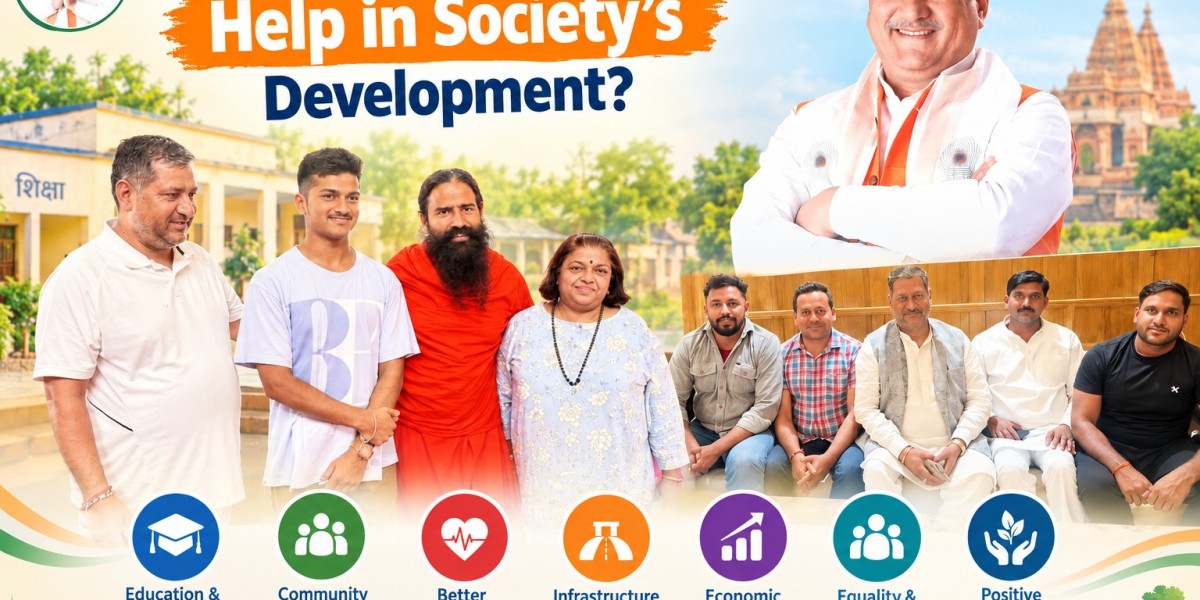

A society grows when its people have access to better education, healthcare, employment, infrastructure, and equal opportunities. While government institutions play a major role in development, popular leaders can also make a meaningful difference by connecting people with decision-makers, understanding local needs, and encouraging community participation.
A respected leader is not only someone who has public recognition. A good leader listens to people, understands their concerns, and works toward practical solutions. When leadership is combined with responsibility and public service, it can become a strong force for positive social change.
What Is the Role of a Popular Leader in Society?
A popular leader often has strong connections with the community. Because people trust and recognize such leaders, they can bring attention to issues that might otherwise be overlooked.
Their role can include:
- Listening to local problems and public concerns
- Encouraging people to participate in community activities
- Supporting education and youth development
- Promoting awareness about government schemes and services
- Raising important issues with the appropriate authorities
- Encouraging better healthcare and social welfare
- Supporting initiatives that improve local infrastructure
The real value of leadership comes from turning public concerns into meaningful action.
1. Supporting Education and Youth Development
Education is one of the strongest foundations of social development. Popular leaders can encourage children and young people to continue their education and develop useful skills.
Leaders can support initiatives such as:
- Educational awareness programs
- Skill-development activities
- Career guidance for young people
- Support for girls' education
- Sports and cultural programs
- Digital and vocational learning opportunities
Young people represent the future of society. By encouraging their education, confidence, and participation, leaders can help create a more capable and responsible generation.
2. Improving Community Welfare
Social development is not only about roads and buildings. It is also about improving people's quality of life.
Popular leaders can work with communities and relevant institutions to highlight concerns related to:
- Clean drinking water
- Sanitation and cleanliness
- Healthcare facilities
- Public safety
- Housing and basic services
- Support for vulnerable groups
A leader who regularly interacts with residents can better understand which issues require immediate attention.
3. Encouraging Community Participation
Development becomes stronger when people are involved in the process. A leader can encourage citizens to take responsibility for their neighborhoods instead of expecting every solution to come from authorities.
Community participation may include cleanliness drives, environmental activities, educational campaigns, blood donation programs, sports events, and awareness initiatives.
When people work together, even small efforts can create visible improvements.
4. Supporting Local Infrastructure and Economic Growth
Good infrastructure helps communities function more effectively. Roads, transport, electricity, internet access, schools, healthcare centers, and public facilities can all contribute to economic and social progress.
Popular leaders can help by:
- Bringing local infrastructure concerns to the attention of authorities
- Supporting development priorities identified by residents
- Encouraging investment and local business opportunities
- Promoting skill development and employment awareness
- Connecting communities with relevant government programs
However, responsible leadership also means being realistic about what a leader can directly deliver. Sustainable development requires cooperation between citizens, government bodies, businesses, and community organizations.
5. Giving People a Voice
One of the most important responsibilities of a public leader is to listen.
People may face problems that are difficult to communicate through formal systems. A leader who stays connected with the community can help ensure that these concerns receive proper attention.
This can build trust between citizens and public institutions. It also encourages people to participate more actively in democratic and community processes.
6. Promoting Equality and Inclusion
A healthy society should provide opportunities to people from different backgrounds and circumstances. Popular leaders can promote inclusion by ensuring that development discussions consider the needs of women, children, young people, senior citizens, and economically weaker communities.
Inclusive leadership focuses on the question: “How can development benefit more people?”
This approach can help reduce social gaps and create a stronger sense of belonging within the community.
7. Inspiring Positive Social Change
Leadership is also about inspiration. When a respected leader demonstrates honesty, discipline, compassion, and commitment to public service, others may feel encouraged to contribute.
For example, a leader who promotes cleanliness can motivate residents to keep public spaces clean. A leader who supports education can encourage families to prioritize children's schooling.
This is how leadership can influence society beyond individual projects.
Popular Leader in Mathura Jagdeesh Nauhwar
The idea of community-focused leadership can also be seen in discussions around Popular Leader in Mathura Jagdeesh Nauhwar, particularly in the context of public service, youth empowerment, education, and community development. A leader's long-term impact is best understood through meaningful engagement with people, responsiveness to their concerns, and a consistent focus on public welfare.
What Makes Leadership Effective?
Popularity alone does not guarantee successful leadership. A leader becomes truly valuable when public recognition is supported by responsible action.
Important qualities include:
- Honesty: Being truthful and transparent with people
- Listening: Understanding concerns before making decisions
- Accountability: Taking responsibility for commitments
- Empathy: Understanding people's real-life challenges
- Communication: Explaining ideas clearly and respectfully
- Teamwork: Working with citizens and institutions
- Vision: Thinking about long-term community development
Conclusion
Popular leaders can play an important role in society's development by listening to people, encouraging participation, supporting education and youth, promoting welfare, and bringing attention to local development needs. Their influence becomes meaningful when popularity is combined with responsibility and genuine public service.
Ultimately, society develops not because of one person alone, but through cooperation between leaders, citizens, government institutions, and community organizations. A good leader can provide direction, create awareness, bring people together, and inspire them to become active participants in building a better future.