Recording a podcast is only the beginning. Once the microphones are switched off, the real work of shaping the episode starts. Clear sound, smooth conversations, balanced volume and well-organised visuals all influence how people experience your content. With podcast editing services, creators can turn their raw recordings into polished episodes that are easier to watch, listen to and share.
Many podcasters have valuable ideas but struggle to find enough time for post-production. Editing can involve reviewing long recordings, removing mistakes, adjusting audio, synchronising video and preparing the final files. Managing every task alone can delay publishing and make it difficult to maintain a regular schedule. A professional production workflow helps solve these problems while allowing creators to focus on planning their next conversation.
Why Editing Matters After Every Recording
A good conversation does not automatically become a good episode. During a recording, speakers may pause, repeat sentences, lose their train of thought or speak at different volume levels. There may also be moments that do not add value to the discussion. These small issues are normal, but leaving too many of them in the final content can affect the viewing experience.
Editing helps create a natural flow. Unnecessary pauses and repeated sections can be removed while keeping the original meaning and personality of the speakers. Audio levels can be balanced so that listeners do not have to keep adjusting their volume. For video podcasts, the footage can also be synchronised and colour graded to create a consistent appearance.
The goal is not to make every conversation sound scripted. Good editing should preserve genuine reactions and useful discussions. It should simply remove distractions that prevent the audience from following the topic.
A professional workflow is especially useful for interviews, business discussions and educational episodes. These formats often contain detailed information, so clarity and structure matter. A well-edited episode helps viewers concentrate on the message instead of noticing technical interruptions.
What a Complete Post-Production Process Should Include
Before choosing an editing arrangement, creators should understand what happens after recording. The process usually begins with reviewing the raw files. The editor checks the footage and audio, identifies mistakes and decides which sections need attention.
The next step is organising the episode. Unwanted sections can be removed, audio and video can be synchronised, and the final sequence can be arranged to maintain a clear conversation. For a multi-camera recording, the editor can select suitable camera angles throughout the discussion. This helps the finished video feel more engaging than a single unchanging shot.
Branding is another important part of professional content. A business podcast may need its logo, visual identity or other agreed brand elements included in the final video. Colour grading helps maintain a more consistent visual appearance, while audio balancing makes the conversation easier to follow.
When comparing production options, ask whether revisions are included and how the final files will be delivered. These details help avoid confusion after the recording session.
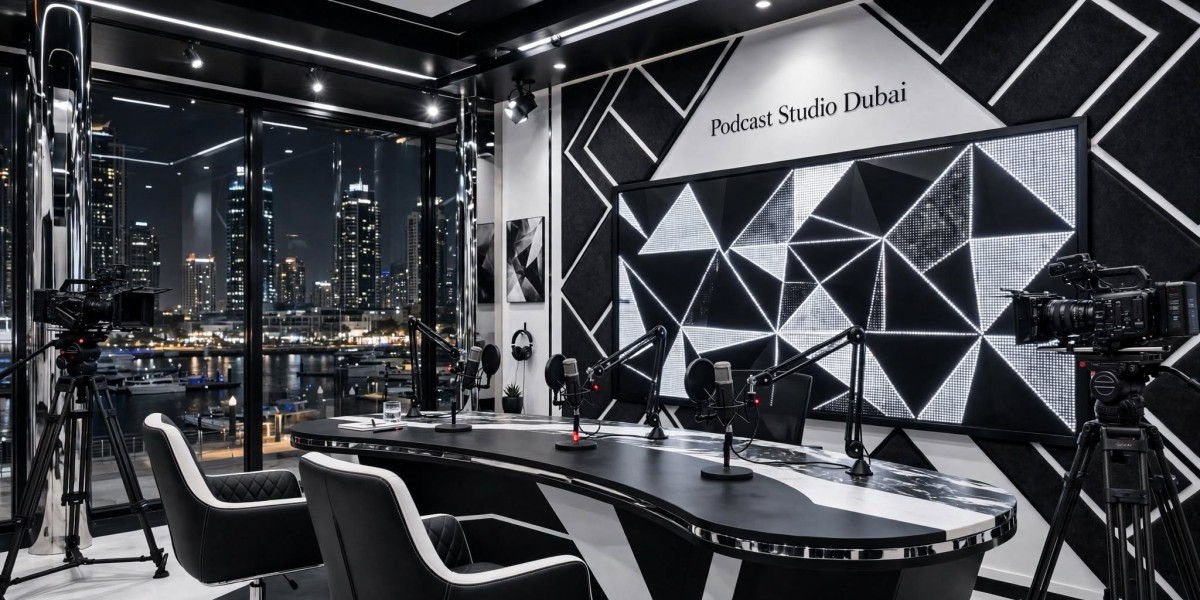
Creators looking for a reliable production environment can also explore a Podcast Recording Studio UAE | Professional & Affordable option that combines recording facilities with technical support. This can make the overall process easier because the recording and post-production requirements can be discussed together.
How Professional Editing Helps Different Types of Creators
The value of editing depends on the purpose of the content. A business owner creating a leadership podcast may want conversations to sound clear and confident. Removing repeated explanations and balancing speaker volume can make important points easier to understand.
Coaches and educators have different needs. Their episodes may explain methods, lessons or practical advice. A well-structured edit helps keep the information organised without changing the speaker's original message. It also makes longer educational recordings easier for viewers to follow.
For YouTube creators, video quality matters alongside sound. Camera changes, colour grading and clean transitions can improve the overall presentation. A long recording may also provide opportunities to create shorter highlights for social platforms, depending on the selected production service.
Professional podcast editing services can therefore support more than one type of show. The important thing is to decide what the audience needs and communicate those expectations before the editor begins.
A useful way to prepare is to share the episode topic, preferred style, branding requirements and any sections that must remain unchanged. If a particular statement is important, tell the editor rather than expecting them to guess. Clear instructions reduce unnecessary revisions and help the final result match your expectations.
Conclusion
A successful podcast needs more than an interesting topic. It also needs clear sound, organised video and a consistent presentation that respects the audience's time. Planning the post-production process before recording makes it easier to publish content regularly and maintain a professional standard. Choosing the right recording environment is an important part of that process, so explore Podcast Recording Studio UAE | Professional & Affordable when comparing recording and production options.
FAQs
1. Why does a podcast need professional editing?
Editing removes distracting mistakes, improves audio consistency, organises the conversation and prepares the episode for publishing.
2. Can video podcasts be edited as well?
Yes. Video post-production can include synchronising footage, selecting camera angles, colour grading and adding agreed branding elements.
3. Should I edit my podcast myself or use a professional?
It depends on your time, skills and publishing schedule. Occasional creators may edit independently, while regular shows can benefit from professional support.
4. What should I share with an editor before work begins?
Provide the episode topic, preferred editing style, branding assets, delivery requirements and any important sections that should not be removed.



