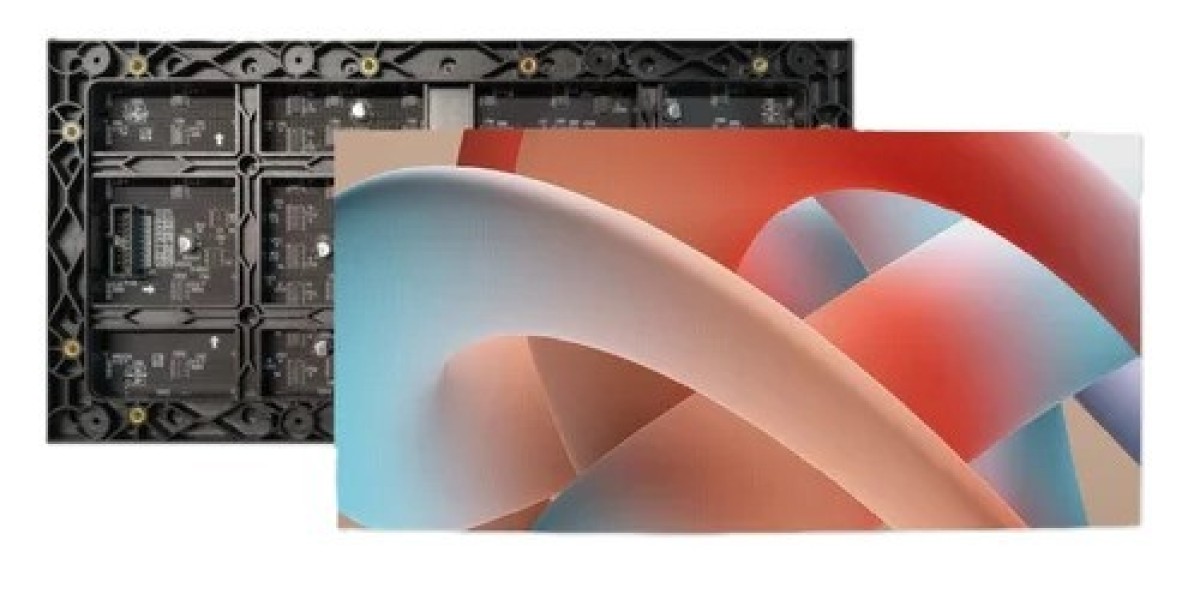

The way businesses communicate with customers is changing. Traditional advertising methods such as printed posters, banners, and static signboards are increasingly being complemented by digital display technology.
Today, businesses can use LED screens and digital signage systems to present promotional campaigns, product information, announcements, and interactive visual content.
From shopping malls and retail stores to restaurants, corporate offices, and public spaces, digital signage offers a flexible way to communicate with audiences.
As more organizations invest in modern advertising technology, digital signage solutions in Pakistan are becoming an important consideration for businesses looking to improve their visibility and customer engagement.
In this guide, we explore how digital signage works, where it can be used, and how businesses can choose the right display solution.
What Is Digital Signage?
Digital signage refers to the use of electronic displays to present information, advertisements, announcements, and promotional content.
These displays can use LED, LCD, and other screen technologies depending on the application.
SMD LED screens are particularly useful for applications requiring bright, large-format displays and dynamic visual content.
Unlike traditional printed signage, digital displays allow businesses to update content electronically without producing and installing new printed materials for every campaign.
A digital signage system typically includes:
- An LED or other digital display.
- A content management or control system.
- A media player or compatible controller.
- Power and signal connections.
- Installation and mounting infrastructure.
- Content scheduling and playback software.
Together, these components allow businesses to manage their visual communication more efficiently.
Why Are Businesses in Pakistan Investing in Digital Signage?
Businesses across Pakistan operate in competitive commercial environments where attracting customer attention is important.
Digital signage provides an alternative to static promotional materials by introducing motion, changing content, and flexible campaign scheduling.
Some important benefits include:
1. Better Brand Visibility
Large and visually appealing displays can help businesses attract attention in busy commercial areas.
Retail stores, shopping centres, and outdoor advertising locations can use digital screens to present brand messages and promotional campaigns.
2. Flexible Advertising Content
With traditional printed advertising, changing a promotion often requires new designs, printing, and installation.
Digital signage makes it possible to update compatible displays electronically.
Businesses can schedule different advertisements, product announcements, and promotional messages throughout the day.
3. Improved Customer Engagement
Moving visuals, product demonstrations, and promotional videos can make communication more engaging than static information alone.
For example, a restaurant can display menu items and promotional offers, while a retail showroom can showcase product features through video content.
4. Multiple Campaigns on One Display
A digital screen can display different content at scheduled intervals.
This allows businesses to organize multiple promotional messages without installing separate printed advertisements for every campaign.
5. Modern Business Presentation
Digital displays can give commercial spaces a more contemporary appearance.
Corporate offices, reception areas, exhibition spaces, and shopping centres can use LED displays to present announcements, branding, and informational content.
7 Popular Applications of Digital Signage in Pakistan
1. Retail Stores and Shopping Malls
Retail businesses can use digital signage to showcase seasonal offers, new arrivals, product demonstrations, and promotional campaigns.
LED screens can be installed near entrances, display windows, product sections, and common areas.
This helps businesses communicate current offers and maintain consistent brand messaging.
2. Restaurants and Food Businesses
Restaurants can use digital displays for:
- Digital menu boards.
- Meal promotions.
- Special offers.
- Product images and videos.
- Daily announcements.
Digital menu boards are particularly useful for businesses that regularly update their menus or promotional pricing.
3. Corporate Offices
Corporate environments can use digital signage to display company announcements, internal communication, performance dashboards, meeting schedules, and branded presentations.
LED video walls can also be installed in reception areas and conference rooms to support presentations and visual communication.
4. Outdoor Advertising and Digital Billboards
Outdoor digital billboards allow advertisers to present promotional content in high-visibility locations.
Businesses can use them for brand campaigns, product launches, event promotions, and public announcements.
Outdoor SMD displays must be selected according to viewing distance, brightness requirements, weather exposure, and installation conditions.
5. Educational Institutions
Schools, colleges, and universities can use digital signage to communicate important information.
Common applications include:
- Admission announcements.
- Examination schedules.
- Campus events.
- Student notices.
- Educational presentations.
Large displays can also support presentations and information sharing in lecture halls and auditoriums.
6. Hospitals and Healthcare Facilities
Healthcare facilities can use digital signage to display department information, appointment guidance, awareness messages, and general announcements.
Screens installed in waiting areas and reception spaces can help visitors access useful information.
Content should be reviewed to ensure accuracy, particularly when it relates to medical guidance.
7. Exhibitions and Events
Digital displays are widely useful for exhibitions, conferences, product launches, and promotional events.
Large LED screens and video walls can present presentations, event schedules, sponsor advertisements, and branded visual content.
Depending on the event, businesses may choose permanent installations or temporary display solutions.
Types of Digital Signage Displays
Different business applications require different display technologies.
Indoor SMD LED Screens
Indoor SMD screens are designed for environments where viewers may stand relatively close to the display.
They are commonly used in retail stores, conference rooms, corporate offices, and shopping malls.
Fine pixel pitch options can provide detailed images at shorter viewing distances.
Outdoor SMD LED Screens
Outdoor SMD screens are designed for installations exposed to sunlight and environmental conditions.
They are commonly used for digital billboards, building facades, roadside advertising, and large commercial displays.
Brightness, weather protection, structural support, and maintenance access are important selection factors.
LED Video Walls
LED video walls combine multiple LED modules or cabinets to create a larger display surface.
They are suitable for corporate auditoriums, event venues, control rooms, and commercial presentation spaces.
Digital Standee Displays
Digital standees are floor-standing displays that businesses can use for promotions, announcements, and product information.
They are useful in retail stores, hotels, exhibitions, and reception areas where a compact display is required.
How to Choose the Right Digital Signage Solution
Before purchasing a digital signage display, businesses should evaluate several important requirements.
1. Identify the Installation Environment
First, determine whether the screen will be installed indoors or outdoors.
Indoor displays have different brightness and protection requirements from outdoor displays.
2. Consider Viewing Distance
Pixel pitch is an important factor when selecting an SMD LED screen.
Smaller pixel pitch generally provides greater pixel density and better detail at closer viewing distances.
Larger pixel pitch options may be suitable for screens viewed from farther away.
3. Determine the Required Screen Size
The display dimensions should match the available installation space and viewing requirements.
Consider the viewing angle, mounting position, surrounding architecture, and content format.
4. Evaluate Brightness Requirements
An outdoor screen exposed to direct sunlight generally needs different brightness specifications from a screen installed in a controlled indoor environment.
Select brightness according to actual environmental conditions and manufacturer specifications.
5. Review Content Management Features
A digital signage system should make it practical to upload, schedule, and manage content.
Businesses should evaluate controller compatibility, software functionality, network requirements, and ease of operation.
6. Consider Installation and Maintenance
The installation structure, power supply, cable routing, ventilation, and maintenance access should be planned before purchasing the display.
Professional installation helps ensure that the system is configured according to the project's technical requirements.
Digital Signage vs Traditional Advertising
Digital signage and traditional printed advertising serve different purposes.
| Digital signage | Traditional advertising |
|---|---|
| Displays electronic content | Uses printed materials |
| Content can be updated digitally | New prints may be required |
| Supports video and animation | Primarily static visuals |
| Can schedule multiple messages | Usually displays one fixed message |
| Requires electronic infrastructure | Requires printing and physical installation |
The best choice depends on the advertising objectives, budget, location, and frequency of content changes.
Digital signage can reduce recurring printing requirements, but businesses should account for the initial display investment, electricity, installation, and maintenance.
How to Plan a Successful Digital Signage Project
A successful project begins with understanding what the business wants to achieve.
Step 1: Define the Objective
Determine whether the display will support advertising, customer information, internal communication, or entertainment.
Step 2: Survey the Installation Site
Evaluate available space, viewing distance, visibility, structural support, and power supply.
Step 3: Select the Display Technology
Choose an appropriate screen type, pixel pitch, brightness, and size according to the application.
Step 4: Plan Content and Control Systems
Determine how content will be uploaded, scheduled, and managed.
Step 5: Complete Professional Installation
Ensure that the mounting structure, electrical connections, and display components are installed correctly.
Step 6: Test and Maintain the Display
Test image quality, content playback, connectivity, and system operation before deployment.
Establish an appropriate maintenance schedule to help maintain reliable performance.
Why Choose PAK SMD SCREEN for Digital Signage Solutions?
Selecting a suitable digital display supplier is an important part of any signage project.
Businesses need solutions that match their installation requirements, visual objectives, and operational needs.
PAK SMD SCREEN provides LED display solutions for commercial and advertising applications across Pakistan.
Its product range includes:
- Indoor SMD LED screens.
- Outdoor SMD LED screens.
- Digital billboards.
- Digital signage displays.
- LED video walls.
- SMD LED modules.
- Digital standees.
The company also provides installation and technical support to help businesses implement their display projects.
Whether you are upgrading a retail store, installing a corporate video wall, or planning an outdoor advertising display, selecting the appropriate screen is essential.
Visit PAK SMD SCREEN to explore available LED display solutions and discuss your requirements.
Final Thoughts
Digital signage is changing how businesses communicate with customers and present their brands.
From retail promotions and restaurant menus to outdoor advertising and corporate communication, LED displays offer flexible opportunities for visual marketing and information sharing.
However, selecting the right solution requires careful consideration of the installation environment, viewing distance, pixel pitch, brightness, content management, and maintenance requirements.
With proper planning and professional installation, digital signage can become a valuable part of a business's communication and advertising strategy.
Ready to upgrade your business advertising with digital displays? Contact PAK SMD SCREEN to explore suitable SMD LED screen and digital signage solutions in Pakistan.



