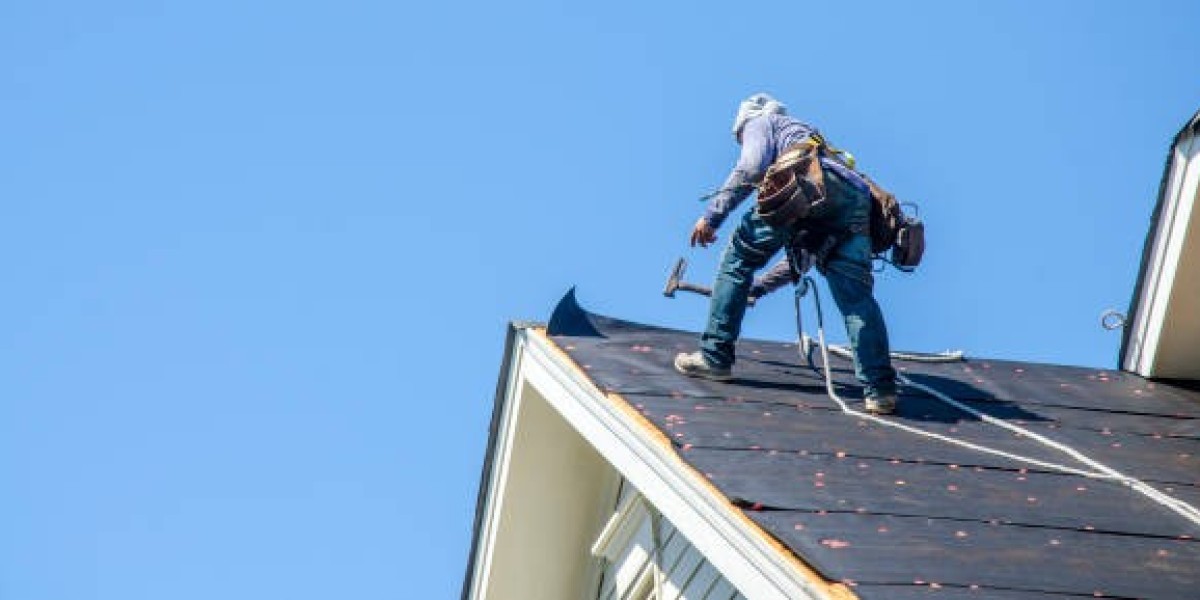

Why Hiring a Professional Roofing Contractor Matters
Your roof is one of the most important parts of your property. It protects your family, belongings, and building structure from rain, snow, wind, and changing weather conditions. However, many homeowners only pay attention to their roofs when water starts leaking, shingles go missing, or visible damage appears. By that time, a relatively small roofing problem may have developed into a more expensive repair. A dependable Roofing Contractor Elmwood Park, NJ can evaluate the roof covering, flashing, underlayment, ventilation, and drainage rather than simply treating the first visible symptom. A proper assessment also helps distinguish a localized repair from a project that may require broader work.
Common Roofing Problems Homeowners Should Never Ignore
Common warning signs include water stains on ceilings or walls, missing or cracked shingles, roof leaks after rainfall, damaged flashing around chimneys and vents, sagging areas, granules collecting in gutters, and moisture in the attic. Water can travel along framing before appearing indoors, so the ceiling stain may not be directly below the entry point. Do not climb onto a roof to investigate. From a safe location, take photographs and arrange a professional assessment. Prompt attention can help limit damage to insulation, drywall, roof decking, and interior finishes.
When Roof Repair May Be Enough
Not every roofing issue requires a complete replacement. A limited number of damaged shingles, a localized flashing defect, or a small leak may be suitable for repair when the surrounding roofing system remains in serviceable condition. The contractor should identify the cause, explain the repair method, and check nearby components that could contribute to the same problem. Replacing shingles without correcting failed flashing, for example, may leave a leak unresolved. Ask for photographs and a written scope so you understand what will be repaired and what is excluded.
When to Consider Roof Replacement
Roof Replacement may be worth discussing when deterioration is widespread, leaks recur in several areas, roofing materials are failing across large sections, or repairs are becoming frequent. Age is one factor, but it should not be the only one. The decision should consider material condition, roof structure, ventilation, moisture history, and the cost and practicality of repairs. Request a clear comparison of repair and replacement options, including the condition of the roof deck and underlayment where accessible.
Chimney and Roof Connection Problems
The area where a chimney meets the roof deserves particular attention. Flashing helps direct water away from this intersection, while the chimney crown, cap, and masonry protect other parts of the structure. Cracked mortar, loose bricks, a deteriorated crown, or failed flashing can contribute to water intrusion. In these situations, roofing work may need to be coordinated with chimney restoration. Repairing only the roof covering while leaving damaged masonry or flashing untouched may not solve the underlying problem.
How to Choose the Right Contractor
Look for a contractor who can explain the specific issue and the evidence supporting the proposed work. Ask about relevant experience, insurance, applicable licensing requirements, references, materials, project schedule, cleanup, permits, and written warranty terms. Compare detailed estimates rather than totals alone. One quote may include underlayment or damaged decking while another may only cover surface materials. Be cautious of pressure to sign immediately or recommendations for major work without a reasonable inspection and explanation.
The Value of Routine Roof Inspections
Inspections can help identify developing issues before they become more extensive. Homeowners should consider an inspection after significant storms, when visible damage appears, or when the roof approaches the later part of its expected service life. A review may include shingles, flashing, penetrations, drainage, visible attic conditions, and the chimney connection. Routine attention does not guarantee that problems will never occur, but it can help homeowners respond earlier and make informed maintenance decisions.
Do Not Overlook Fireplace and Chimney Maintenance
Roof maintenance and chimney maintenance are separate but sometimes related responsibilities. A chimney can develop exterior masonry deterioration or flashing problems that contribute to leaks. A fireplace may also require its own inspection or cleaning because soot, creosote, and flue defects are not corrected by roof work. If you notice smoke entering the room, unusual odors, falling debris, or suspected flue damage, stop using the appliance and arrange an assessment by a qualified chimney professional.
Frequently Asked Questions
How do I know if I need roof repair or replacement? Localized damage may be repairable, while widespread deterioration and recurring leaks may justify replacement consideration. What are early signs of roof damage? Look for missing shingles, ceiling stains, damaged flashing, granules in gutters, and attic moisture. Can chimney damage cause roof leaks? Yes. Damaged flashing, deteriorated masonry, or a defective crown can contribute to water entry. How often should I inspect my roof? Frequency depends on age, material, condition, and weather exposure; arrange checks after significant storms or when warning signs appear. Should I inspect the roof myself? Observe from the ground and leave roof access to trained professionals.
Protect Your Home With an Informed Roofing Decision
Your roof deserves attention before minor issues become major property concerns. From identifying leaks and evaluating damaged roofing materials to addressing chimney-related deterioration, a professional assessment helps homeowners understand the condition of their property. If you are looking for a Roofing Contractor in Elmwood Park, NJ, contact Top Shield Chimney Specialist to discuss your roofing and chimney concerns and ask about an appropriate inspection. Explain where you see the damage, when it occurs, and whether previous repairs were completed. Request a clear assessment and written options before authorizing work.



