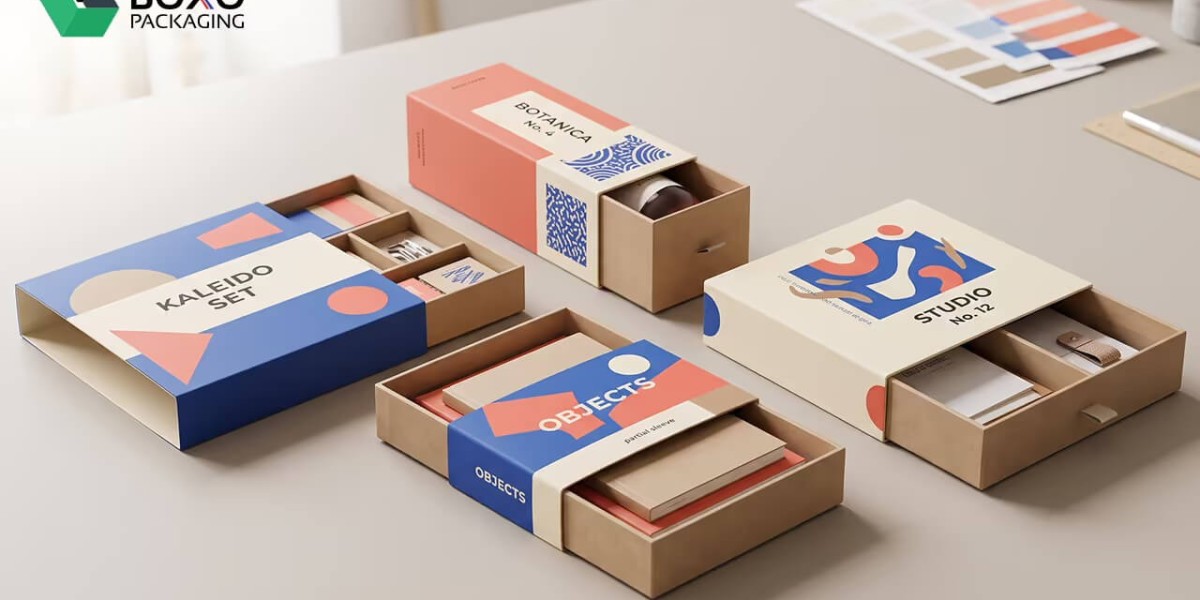

A subscription box has to impress on the first delivery and still feel fresh on the twelfth. Contents change every month, but the carton stays the same, so it has to cope with different shapes and weights. Choosing Tray and Sleeve Packaging for a recurring service means planning for variety as well as looks. These checks cover what to measure, test and ask before you order.
Designing for Contents That Change Every Month
Unlike a single product, a subscription box might hold a jar one month and a scarf the next. List the tallest, heaviest and most awkward items you expect over the next year.
Measure those extremes at their widest, longest and deepest points. Write the internal dimensions in the order length, width, height so nobody reads them back to front. A tray that suits only this month’s contents will cause problems by spring.
Keeping the Sleeve Snug on Light and Heavy Boxes
A sleeve that grips well on a light box can feel loose once the tray is full. Fill samples to both the lightest and heaviest levels you expect, then slide the sleeve on.
Hold each closed box upside down and shake it gently. The sleeve should stay in place without squeezing the tray. Slide it on and off twenty times to check that the edges do not scuff or the print does not rub.
Making the Tray Easy to Refill and Re-Pack
Your team may pack hundreds of trays in one session, so speed matters. Time yourself filling ten samples from empty to closed, including tissue, cards and inserts.
If one step slows you down, ask your supplier about a shallower tray, a ribbon pull or a simpler fold. Also check that the tray lifts out cleanly, because customers often keep it for storage. A tray that tears at the edge on the first opening leaves a poor first impression.
Printing a Look That Lasts Across Seasons
Subscription brands often refresh their theme, so print choices need to stay flexible. A plain sleeve with a bold logo can stay the same all year, while a seasonal card inside changes with each box.
Ask for a printed sample and view it in daylight and under indoor light. Compare the colours with your website and any inserts you already use. Where your boxes will hold food or toiletries, rules differ by region, so check the current requirements for your market. This is general information, not legal advice.
Posting Tests That Match Real Subscriber Deliveries
Subscription boxes travel through ordinary post, often in a courier’s bag with other parcels. Put a filled sample through that experience before you commit:
- Post a packed box to yourself and inspect the sleeve and corners on arrival.
- Drop a filled sample from waist height and check that the tray has not shifted.
- Leave a box overnight in a cold, damp room to see whether the board keeps its shape.
- Open and close the box ten times to confirm the sleeve still fits cleanly.
Pass any weak points to your supplier before production begins.
Four Details to Confirm Before You Request a Quote
Send these together and your quote will be quicker and easier to compare:
- The internal length, width and height of the tray, based on your largest planned contents
- The filled weight range and the sleeve clearance you expect
- The print colours, finishes and where artwork sits on the sleeve and tray
- Your first order quantity and the monthly volumes you expect to reorder
Trying a Full Month of Contents Before Committing
A flat drawing cannot show how a sleeve behaves with different loads. At Boxo Packaging, the process starts with you sending over a selection of your typical items, so the fit is judged against the real contents. You then request samples, test them with your own fillers and posting routine, and review the fit, print and structure together. Production begins only once you are satisfied, which makes it easier to settle on Tray and Sleeve Packaging that suits every month of your service.
A good subscription box stays reliable while the contents keep changing. Testing at both ends of the weight range, timing the pack-out and checking a posted sample all help you spot problems early. Boxo Packaging supports that careful, sample-first approach, so each subscriber opens a box that feels as considered as the last.
Custom Kraft Boxes for Plant Shops and Garden Gift Sellers
Plants and garden gifts are awkward to box. Soil spills, pots shift and damp leaves can soften plain board before a parcel reaches its door. Planning Custom Kraft Boxes around moisture, weight and movement helps every order arrive tidy and upright. These checks cover what to measure, test and ask before you order.
Why Soil, Water and Brown Board Need Careful Planning
Brown board is strong when dry, but it can soften quickly once water gets in. Even a lightly watered pot can leave a damp patch on the base.
Think about how your products are prepared before posting. Do you water plants the day before, or send them dry? Tell your supplier about your routine, so they can suggest a suitable board grade and any inner wrap.
Measuring Pots, Stems and Gift Sets
A pot is wider at the rim than at the base, and a plant is taller than its container. Measure each item at its widest, tallest and deepest points, including leaves, stems and any labels.
For gift sets, such as a trowel, seed packets and a small pot, lay everything out as you would pack it and measure the full block. Write the internal dimensions in the order length, width, height so nobody reads them back to front when the order is placed.
Holding Pots Still During Transit
A loose pot slides, tips and spills. Look at board dividers, pulp collars or folded wraps that grip the container just below the rim.
Pack a sample with a real, slightly damp pot and shake it gently. Then turn it on its side for ten minutes and check for soil on the board. If anything has moved, the insert needs adjusting before production begins.
Print That Copes With Damp Hands and Wet Weather
Garden products are often handled outdoors, at markets or on doorsteps. Test how the print behaves when it meets moisture.
Wipe a printed sample with a dry cloth, then a barely damp one, and check whether the ink marks or lifts. Dark, simple artwork usually reads best on natural brown stock. Avoid making environmental claims unless your supplier can show you evidence you can verify.
Rules for Living Goods and Food Items
If you send seeds, edible plants or food gifts, rules differ by region, so check the current requirements for your market. This is general information, not legal advice. The same applies to labelling and any restrictions on posting living products.
Four Details to Confirm Before You Request a Quote
Send these together and your quote will be quicker and easier to compare:
- The internal length, width and height, measured around your tallest item
- The board strength needed for the filled weight and any moisture
- The insert style you need to hold pots or sets steady
- Your first order quantity and the reorder volumes you expect
Trying Real Plants in Real Samples
A flat drawing cannot show how a pot behaves in a courier van. At Boxo Packaging, the process starts with you sending over your product, so the fit is judged against the real item. You then request samples, test them with your own watering, packing and posting routine, and review the fit, print and structure together. Production begins only once you are satisfied, which makes it easier to settle on Custom Kraft Boxes that suit your range.
Good boxes for plants come from honest measuring, firm inserts and a sample that has survived a damp, bumpy journey. Boxo Packaging supports that careful, sample-first approach, so every order arrives upright, clean and ready to display.



