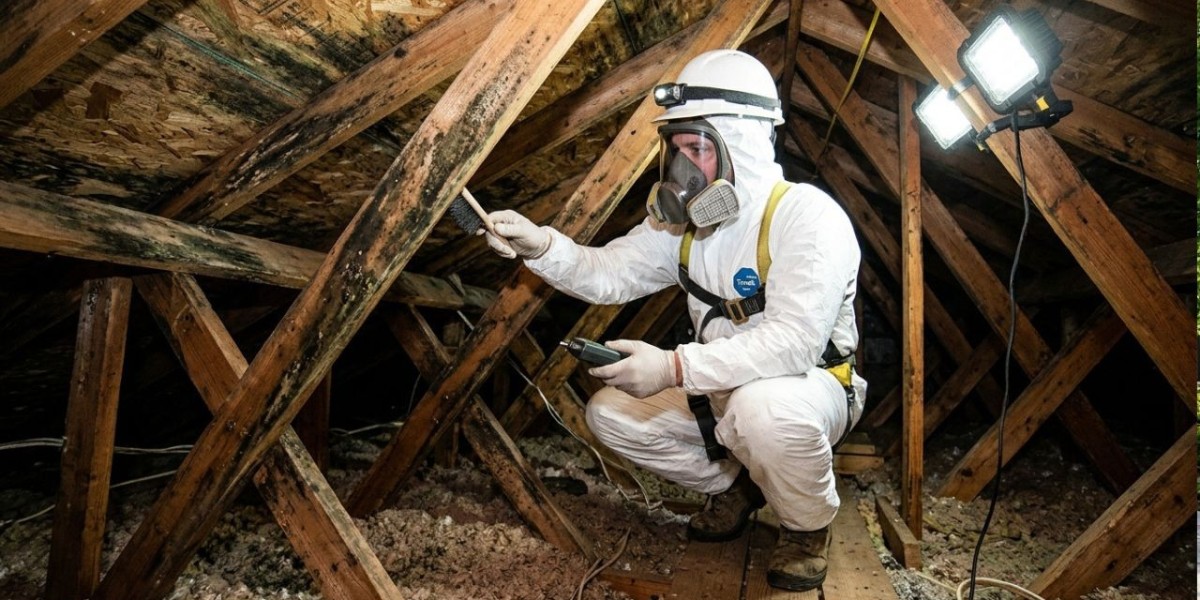

Attic mold is a common household problem that can develop when excess moisture accumulates in roof spaces, insulation, and wooden structures. Although the attic is often out of sight, mold growth in this area can lead to material damage, unpleasant odors, and potential indoor air quality concerns. Many homeowners do not discover the problem until they notice dark patches on roof sheathing, damp insulation, or a persistent musty smell.
Attic mold removal is essential for addressing existing mold growth and protecting a property from further moisture-related damage. However, successful removal involves more than cleaning visible stains. Homeowners must identify the source of moisture, choose suitable remediation methods, and correct the conditions that allow mold to develop.
Understanding the causes, warning signs, removal process, and prevention strategies can help homeowners make informed decisions and maintain a cleaner, healthier living environment.
What Causes Mold Growth in an Attic
Mold develops when spores encounter suitable conditions, particularly moisture and materials that can support fungal growth. Common attic materials, including wood, paper-backed insulation, and accumulated dust, can provide an environment where mold may thrive.
Poor Attic Ventilation
Inadequate ventilation can allow moisture to accumulate in the attic. When humid air becomes trapped, condensation may form on cold roof surfaces, wooden rafters, and exposed nails. Over time, repeated condensation can encourage mold growth.
Proper ventilation should be designed for the building's structure and work alongside appropriate insulation and air sealing.
Roof Leaks and Water Intrusion
Damaged shingles, deteriorated flashing, and other roof defects can allow rainwater or melting snow to enter the attic. Even a small leak can create damp conditions that support mold growth if the affected materials remain wet.
Regular roof inspections can help identify potential problems before moisture causes extensive damage.
Air Leaks From Living Spaces
Warm, humid air from bathrooms, kitchens, and laundry rooms can escape through gaps around light fixtures, plumbing penetrations, wiring, and attic hatches. During colder weather, this air may condense on cooler attic surfaces.
Sealing appropriate air leaks and ensuring that exhaust fans discharge outdoors can help reduce moisture accumulation.
Inadequate Insulation
Poorly installed or insufficient insulation can contribute to temperature differences that encourage condensation. When combined with air leakage and high indoor humidity, these conditions may increase the risk of attic mold.
Addressing insulation problems can improve energy efficiency while supporting better moisture management.
What Are the Signs That Your Attic Needs Mold Removal
Recognizing mold early can help homeowners limit damage and avoid more extensive remediation work.
Visible Mold Growth
Mold may appear as black, gray, green, or white patches on wooden roof sheathing, rafters, and other surfaces. However, appearance alone cannot reliably identify the type of mold present. Professional assessment may be appropriate when discoloration has an uncertain cause.
Persistent Musty Odors
A musty smell near the attic or upper floors may indicate hidden moisture or microbial growth. Although odors are not conclusive evidence of mold, they should not be ignored when they persist.
Damp Insulation and Water Stains
Wet insulation, darkened wood, and water stains can indicate roof leaks, condensation, or another moisture problem. Insulation that remains damp may lose effectiveness and can require replacement.
Condensation on Roof Surfaces
Water droplets on nails, roof sheathing, or other cold surfaces may indicate excessive moisture. If condensation occurs repeatedly, homeowners should investigate ventilation, indoor humidity, and air leakage.
Why Is Professional Attic Mold Removal Important
Attic mold removal can be challenging because contamination may extend beyond the areas that are immediately visible. Mold can develop behind insulation, around roof penetrations, and on surfaces that are difficult to access safely.
Professional remediation can help determine the extent of the problem and establish an appropriate treatment plan.
Identifying the Source of Moisture
A thorough assessment should investigate the conditions that support mold growth. This may involve examining roof materials, ventilation openings, insulation, exhaust ducts, and possible air leaks.
Correcting the moisture source is essential because mold may return if the underlying problem remains unresolved.
Removing Contaminated Materials
The appropriate removal method depends on the affected material and its condition. Some sound surfaces can be cleaned, while heavily contaminated porous materials or deteriorated insulation may need to be removed and replaced.
Professional methods can help limit the spread of mold-containing dust and debris during the process.
Protecting Indoor Air Quality
Disturbing mold without suitable precautions can release spores and contaminated particles into the air. Professional remediation may involve containment, appropriate protective equipment, and dust-control procedures to reduce the spread of contamination.
Homeowners should avoid disturbing extensive mold growth themselves, particularly in confined or poorly accessible attic spaces.
How Does the Attic Mold Removal Process Work
A successful attic mold removal project generally involves several steps.
Step One Inspection and Assessment
The process begins with an inspection of the attic to identify visible mold, damp materials, and possible moisture sources. The assessment helps determine the scope of remediation and whether further investigation is needed.
Step Two Moisture Control
The next step is to correct the underlying problem. Depending on the findings, this may involve repairing roof leaks, improving ventilation, sealing air leaks, or correcting improperly routed exhaust ducts.
Moisture control is a fundamental part of preventing recurring mold growth.
Step Three Mold Removal and Cleaning
Affected surfaces are cleaned using methods appropriate to the materials involved. Contaminated insulation or other damaged materials may require careful removal and disposal.
Homeowners should avoid dry brushing extensive mold growth or using ordinary household vacuums, as these practices can spread contaminated particles.
Step Four Drying and Repairs
The attic must be dried thoroughly before damaged insulation or other materials are replaced. Any necessary repairs should address the moisture problem as well as its effects.
Painting over visible mold without proper cleaning and moisture control is not an effective substitute for remediation.
Step Five Final Inspection
A final assessment can help confirm that the work has been completed appropriately and that the moisture source has been addressed. Depending on the situation, additional verification may be recommended.
How Can You Prevent Attic Mold From Returning
Preventing future mold growth requires regular maintenance and effective moisture management.
Inspect the roof regularly. Check for damaged shingles, deteriorated flashing, and other signs of water entry.
Maintain appropriate ventilation. Ensure that attic ventilation openings remain clear and that the system is suitable for the home's design.
Seal air leaks. Address gaps around attic hatches, plumbing penetrations, wiring, and other ceiling openings using appropriate air-sealing methods.
Direct exhaust fans outdoors. Bathroom and kitchen exhaust systems should discharge outside rather than releasing humid air into the attic.
Maintain proper insulation. Correct insulation deficiencies and ensure that installation does not obstruct ventilation pathways.
Monitor moisture levels. Investigate persistent condensation, damp insulation, or musty odors promptly.
Schedule periodic inspections. Checking the attic after major storms, roof repairs, or signs of indoor moisture can help identify developing problems early.
If mold repeatedly returns, a more comprehensive assessment of ventilation, air leakage, and moisture movement may be necessary.
What Factors Affect Attic Mold Removal Costs
The cost of attic mold removal depends on the extent of contamination, the size of the affected area, the materials involved, and the accessibility of the attic.
A limited area of surface growth may require less work than widespread contamination involving insulation, roof sheathing, or damaged structural materials. Additional expenses may include containment, specialized cleaning, waste disposal, moisture testing when appropriate, and repairs to the roof or ventilation system.
Before hiring a contractor, homeowners should request a detailed estimate explaining the proposed remediation methods, materials that need replacement, moisture-control measures, and any recommended follow-up work.
Comparing estimates based on the actual scope of work can help homeowners evaluate their options and avoid choosing a service based on price alone.
How to Choose the Right Attic Mold Removal Service
Selecting an experienced remediation provider can make the process more manageable. Homeowners should look for professionals who understand attic moisture problems and can explain how they will address both mold growth and its underlying cause.
Ask about the inspection process, removal methods, protective measures, disposal procedures, and any repairs that may be necessary. A reliable provider should explain the findings clearly and provide a practical plan tailored to the property.
Be cautious of claims that promise to eliminate every mold spore or suggest that applying paint alone will permanently resolve the problem. Effective remediation focuses on appropriate removal, moisture correction, and prevention.
How Can AtticMoldRemovalOttawa.ca Help With Attic Mold Problems
Homeowners in Ottawa who are researching attic mold problems can visit atticmoldremovalottawa.ca to explore information relevant to attic mold removal and professional assistance. When evaluating available services, homeowners should confirm the provider's current offerings and ask how inspections, mold remediation, insulation replacement, and moisture-control recommendations are handled. Understanding the source of the problem is especially important in Ottawa, where seasonal temperature changes and winter condensation can contribute to attic moisture issues. Choosing a suitable solution that addresses both existing mold and the conditions that support its growth can help homeowners protect their properties over the long term.
Conclusion
Attic mold removal is an important part of maintaining a home's condition, indoor environment, and long-term value. Mold commonly develops when roof leaks, poor ventilation, air leakage, or condensation create persistent moisture problems.
Effective remediation begins with a careful inspection, followed by appropriate cleaning or removal of affected materials and repairs to the underlying moisture source. Regular maintenance, proper insulation, and suitable ventilation can also help prevent mold from returning.
By recognizing the warning signs early and choosing a qualified remediation professional when needed, homeowners can address attic mold more effectively and protect their properties from avoidable moisture-related damage.