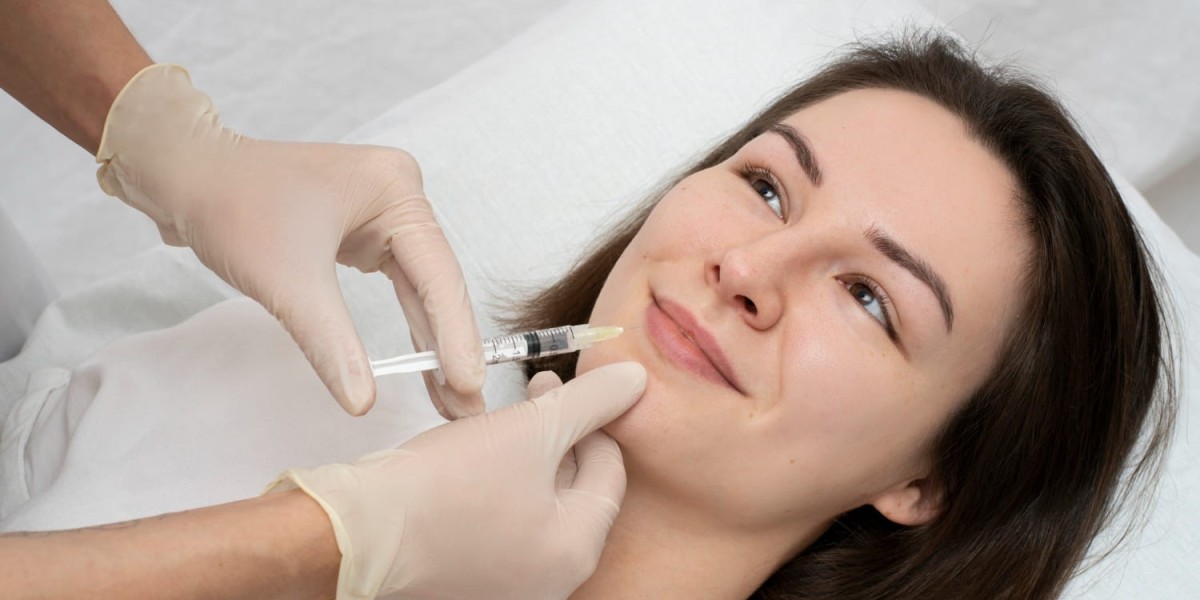

Healthy-looking skin often starts with a consistent skincare routine and the right professional guidance. A Skin Whitening Treatment may be considered by people who want to improve the appearance of uneven skin tone, dark spots, or pigmentation. Choosing a suitable treatment depends on your skin type, concerns, and overall skin health. Understanding the available options can help you make informed decisions and develop realistic expectations about the results.
Understanding Common Skin Concerns
Skin can change over time due to sun exposure, hormonal changes, aging, and environmental factors. These changes may lead to dark spots, uneven pigmentation, rough texture, or a dull appearance. Some people also experience acne marks or redness that affects the overall look of their skin. Identifying the cause of a concern is an important first step toward choosing an appropriate treatment.
Different skin concerns require different approaches. For example, dryness may improve with a suitable moisturizer, while certain pigmentation concerns may need professional assessment. Acne and inflammation may require treatment before cosmetic procedures are considered. A qualified skincare professional can help determine which options are appropriate for your individual needs.
It is also important to understand that natural skin tone varies from person to person. The goal of a responsible skincare plan should be to support healthy skin and address specific concerns rather than promise an unrealistic change in natural complexion. A personalized approach can help improve skin appearance while reducing the risk of irritation or damage.
The Importance of Professional Skin Assessment
A professional skin assessment helps identify your skin type and the concerns you want to address. During a consultation, a qualified practitioner may ask about your skincare routine, medical history, allergies, and previous cosmetic treatments. They may also examine the affected areas to understand the nature of the problem. This information helps guide treatment selection and determine whether a procedure is suitable.
People with sensitive skin may need a more cautious approach. Some treatments can cause temporary redness, dryness, or irritation. Others may increase sensitivity to sunlight or trigger pigmentation problems, particularly in darker skin tones. Discussing these risks before starting treatment can help you make a safer decision.
A consultation should also include a discussion of realistic outcomes. Some skin concerns improve gradually and require several sessions or a consistent home-care routine. Others may not respond well to certain procedures. Understanding the likely benefits, limitations, recovery time, and cost can help you plan more effectively.
Exploring Advanced Skincare Options
Modern skincare includes several professional options designed to address different concerns. These may include chemical peels, selected laser procedures, microneedling, and treatments that support hydration and skin texture. Each procedure works differently and may be suitable for specific skin conditions. The best option depends on your skin's condition and the expertise of the practitioner.
Advanced Skin Treatments should always be selected according to individual needs rather than popularity alone. For example, some chemical peels can help improve selected forms of pigmentation and uneven texture, while certain laser procedures target specific skin concerns. Microneedling may be considered for particular texture or scarring concerns. Not every procedure is suitable for every skin type, and professional assessment is essential before treatment.
It is also important to check the credentials of the person performing a procedure. Ask about their training, experience, safety protocols, and the equipment being used. A responsible provider should explain potential side effects and provide clear aftercare instructions. Avoid choosing a procedure based only on promotional claims or guaranteed results.
How to Address Uneven Skin Tone?
Uneven skin tone can develop for several reasons. Sun exposure is a common factor because ultraviolet radiation can stimulate pigment production. Acne inflammation, hormonal changes, and certain medications may also contribute to dark patches or spots. Understanding the cause helps determine which treatment options may be effective.
Daily sun protection is an important part of managing pigmentation. A broad-spectrum sunscreen with SPF 30 or higher can help protect the skin from ultraviolet radiation. Reapplication is important when spending extended periods outdoors, sweating, or swimming. Protective clothing and shade can provide additional support.
Some people may benefit from skincare ingredients such as niacinamide, azelaic acid, or vitamin C, depending on their skin condition and tolerance. These ingredients can support certain pigmentation and skin-tone concerns, but results vary. Introduce new products gradually and discontinue use if significant irritation develops. A healthcare professional can help identify suitable options, particularly if pigmentation is persistent or worsening.
Building a Consistent Skincare Routine
Professional procedures are only one part of maintaining healthy-looking skin. A consistent home-care routine can support the skin barrier and help maintain treatment results. Most routines can begin with a gentle cleanser, moisturizer, and daily sunscreen. Additional products should be introduced based on specific concerns and individual tolerance.
Cleansing helps remove dirt, sweat, excess oil, and sunscreen from the skin. A gentle cleanser is generally preferable to harsh products that leave the skin feeling tight or irritated. Moisturizers help maintain hydration and support the skin barrier. Choosing products suitable for your skin type can make your routine more comfortable and effective.
Avoid using too many active ingredients at the same time. Combining strong exfoliants, retinoids, or other active products without proper guidance may increase irritation. Irritation can sometimes worsen pigmentation, particularly in people who are prone to dark marks after inflammation. A simple, consistent routine is often a better starting point than using multiple products without a clear plan.
Understanding Skin Treatments for Different Skin Types
Every skin type has different needs. Oily skin may benefit from lightweight, non-comedogenic products, while dry skin often needs richer moisturizers. Sensitive skin may react to fragrance, strong exfoliants, or certain active ingredients. Combination skin may require different products for different areas of the face.
People with deeper skin tones should take particular care when considering procedures for pigmentation or texture. Some lasers and aggressive peels can trigger post-inflammatory hyperpigmentation if they are not selected and performed appropriately. A practitioner with experience treating a range of skin tones can help assess the potential risks. Treatment settings and aftercare should be tailored to the individual.
Skin conditions such as eczema, active infections, or severe acne may affect whether a cosmetic procedure is appropriate. Certain medications can also influence skin sensitivity and recovery. Always share relevant medical information during a consultation. This helps the practitioner determine whether treatment should proceed, be modified, or be postponed.
Preparing for a Professional Skin Procedure
Preparation can help reduce avoidable complications and support recovery. Before an appointment, ask the provider whether you should stop using particular skincare ingredients or avoid other procedures. Recommendations vary according to the treatment being considered. Do not discontinue prescribed medication unless the prescribing healthcare professional advises you to do so.
Avoid excessive sun exposure before and after procedures that increase skin sensitivity. Your practitioner may also recommend avoiding waxing, strong exfoliation, or certain active products for a specific period. Follow the instructions provided for your particular treatment. If you have a history of cold sores, allergies, or unusual scarring, mention this before the procedure.
You should understand the expected recovery period before making an appointment. Some treatments cause little downtime, while others may involve redness, swelling, peeling, or temporary changes in skin texture. Arrange your schedule accordingly and avoid planning important events too close to a procedure. Clear preparation and realistic expectations can make the experience easier to manage.
Essential Aftercare for Better Skin Health
Aftercare is an important part of any professional skincare procedure. Follow the practitioner's instructions for cleansing, moisturizing, sun protection, and product use. Avoid picking peeling skin or scratching treated areas because this can increase the risk of scarring and pigmentation. Give the skin enough time to recover before introducing stronger products.
Use a gentle skincare routine while the skin is recovering. Avoid harsh scrubs, unnecessary exfoliation, and products that cause burning or significant discomfort. Sun protection is especially important after procedures that affect the skin's outer layers. If your practitioner provides specific aftercare products, ask how and when to use them.
Contact a qualified healthcare professional if you develop severe or worsening pain, blistering, significant swelling, or signs of infection. These symptoms should not be dismissed as a normal part of recovery. Early assessment can help identify complications and determine the appropriate response. Never repeat a procedure before your skin has recovered sufficiently.
Choosing a Professional Skin Rejuvenation Clinic
Selecting the right provider is an important decision when considering cosmetic skincare procedures. Look for a clinic that prioritizes consultation, hygiene, individualized treatment plans, and clear communication. The provider should explain the procedure, possible side effects, expected results, and available alternatives. You should also feel comfortable asking questions before agreeing to treatment.
A Skin Rejuvenation Clinic should assess your skin before recommending a procedure. Ask whether the practitioner has experience with your specific concern and skin tone. Find out what aftercare support is available and what steps the clinic takes to manage complications. Be cautious of providers who promise permanent results, instant transformations, or risk-free procedures.
Compare providers based on professional qualifications, safety standards, and the suitability of their recommendations. Online reviews may offer useful information, but they should not replace checking credentials and discussing your needs directly. A good provider will explain when a treatment may not be appropriate. This approach helps you make an informed choice based on your skin health and personal goals.
Maintain Healthy Skin with the Right Treatment Plan
Improving skin appearance requires a balanced approach that combines appropriate professional care with consistent daily habits. Identifying the cause of pigmentation, choosing suitable products, and protecting the skin from the sun can all contribute to better skin health. Professional procedures may offer additional benefits when they are selected carefully and performed by qualified practitioners. Patience is important because many skin concerns improve gradually rather than overnight.
If you are looking for personalized aesthetic skincare services, London Aesthetics provides services in Thokar Niaz Baig, Lahore, and the surrounding areas. Discuss your skin concerns, treatment goals, and medical history during a consultation before deciding on a procedure. Ask about the expected benefits, possible risks, and aftercare requirements for your chosen treatment. With appropriate professional guidance and a consistent skincare routine, you can make informed decisions that support healthier-looking skin.



