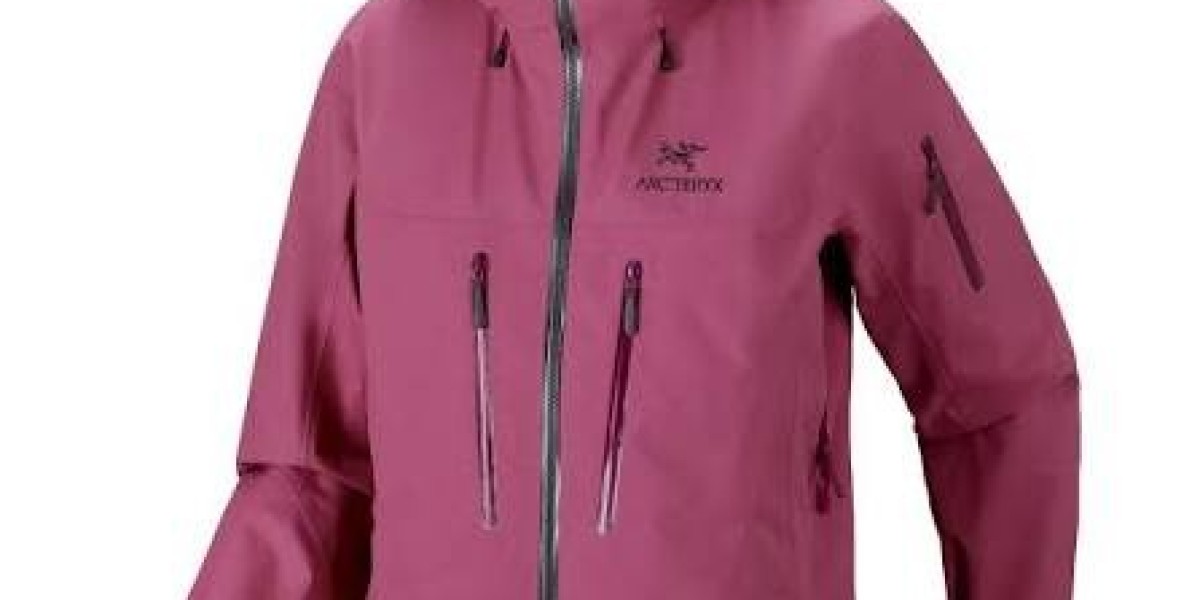
Buying a technical shell is not like buying a casual jacket. Arc’teryx Alpha SV Jacket sizing affects how well the garment moves with you on a steep climb, how much insulation you can layer underneath, and whether the hood actually works over a helmet. Get it wrong and you end up with a very expensive jacket that rides up, flaps in the wind, or restricts your arms when you reach overhead.
This guide walks through how the Alpha SV is cut, what the fit feels like in practice, and how to pick a size with confidence.
Understanding the Alpha SV Fit
The Alpha SV is cut with an athletic, regular fit rather than a slim or oversized one. That means it follows the body without clinging, with enough volume in the chest and shoulders for a base layer and a mid layer underneath. It is not meant to be a baggy outer layer, and it is not trimmed down to be a race fit either.
The sleeves are articulated and fairly long, which is intentional. Climbers need cuffs that stay over the wrists when they reach for a hold. If your Arcteryx arms are on the shorter side, you may notice extra length, and the Velcro cuffs help you cinch things down. If your arms are long, this jacket tends to be more forgiving than many other shells on the market.
The body length sits below the waist, with a dropped tail. This coverage is useful when wearing a harness, since the hem stays below the harness waistbelt instead of riding up over it.
How to Measure Yourself Before Ordering
Do not rely on the size you wear in other jackets. Measure yourself and compare the numbers with the official size chart on the manufacturer’s site. Here is a simple process:
- Chest: Wrap a soft tape measure around the fullest part of your chest, keeping it level under your arms.
- Waist: Measure at your natural waistline, which is usually the narrowest point of your torso.
- Sleeve length: Measure from the center of your back at the base of the neck, over the shoulder, and down to the wrist bone with your arm slightly bent.
- Torso length: Measure from the base of your neck down to your hip bone if you want a better sense of where the hem will land.
Wear the clothing you plan to layer underneath when you measure. A measurement taken over a thin shirt can mislead you if you intend to wear a fleece or light down layer beneath the shell.
Layering: The Most Common Sizing Question
Most buyers ask whether they should size up to fit a thick insulation layer. The answer depends on your use.
For ski touring, mountaineering, and general alpine use, the standard size usually accommodates a base layer plus a fleece or a lightweight insulated piece. That covers most conditions where the Alpha SV is the right tool.
If you plan to wear a heavy down jacket under the shell for cold belay stops, then moving up one size may be worth considering. Keep in mind that a larger size also increases sleeve length and body length, which may not suit your frame. A better approach is to try the jacket on with the thickest mid layer you expect to use. If you can raise your arms, rotate your torso, and zip the front without strain, the size is likely sound.
Checking the Hood and Helmet Fit
The StormHood on the Alpha SV is designed to go over a helmet, so it has more volume than a standard hood. Try it on both with and without your helmet if you can. With a helmet on, you should be able to turn your head and still see to the side. Without a helmet, the adjustment points should let you cinch the hood so it does not slide down over your eyes.
If the hood feels oversized without a helmet, that is normal. It is a design trade off for climbers and skiers who need room for protective gear.
Men’s and Women’s Cuts
The women’s version is shaped differently, with a narrower shoulder, more room through the hips, and often a shorter sleeve and body length compared with the men’s version. Do not assume a men’s small equals a women’s medium. Go by measurements and the dedicated chart for each cut. Some buyers do prefer the other gender’s cut for personal comfort, which is perfectly reasonable, as long as you check chest, hip, and sleeve numbers carefully.
Common Mistakes Buyers Make
- Buying based on size in a different jacket: Fit varies across product lines, even within the same maker.
- Ignoring sleeve length: A jacket that fits the chest but leaves your wrists exposed will let snow in.
- Sizing up for a casual look: The Alpha SV is a technical shell. Extra volume reduces its performance.
- Skipping the movement test: Always reach overhead, twist, and crouch before deciding.
Tips for Trying It On
If you can visit a shop, wear the layers you would actually use outdoors. Bring your helmet and harness if possible. Walk around, lift your arms, and sit down. Pay attention to the shoulders, the underarms, and the hem. If you are buying online, check the return policy before ordering, and consider ordering two sizes if returns are free.
Final Thoughts on Arc’teryx Alpha SV Jacket Sizing
Arc’teryx Alpha SV Jacket sizing comes down to a few clear factors: your actual measurements, the layers you plan to wear, and whether the sleeves, hem, and hood work with your gear. The jacket is cut to move with an active body, so a snug but unrestricted fit is usually the right target. Take careful measurements, test the movement, and let your use case guide whether you stay with your regular size or adjust it. A little attention at the start saves frustration on the mountain.
FAQs
Does the Arc’teryx Alpha SV run true to size?
It generally follows standard sizing with an athletic regular fit. Still, check the size chart against your measurements, since sleeve and body lengths can differ from other jackets you own.
Should I size up for layering under the Alpha SV?
Usually not. The standard size fits a base layer and a fleece or light insulation. Consider sizing up only if you regularly wear a thick down layer underneath.
Is the Alpha SV hood big enough for a helmet?
Yes. The StormHood is designed to fit over a climbing or ski helmet, and it can be cinched down when you are not wearing one.



