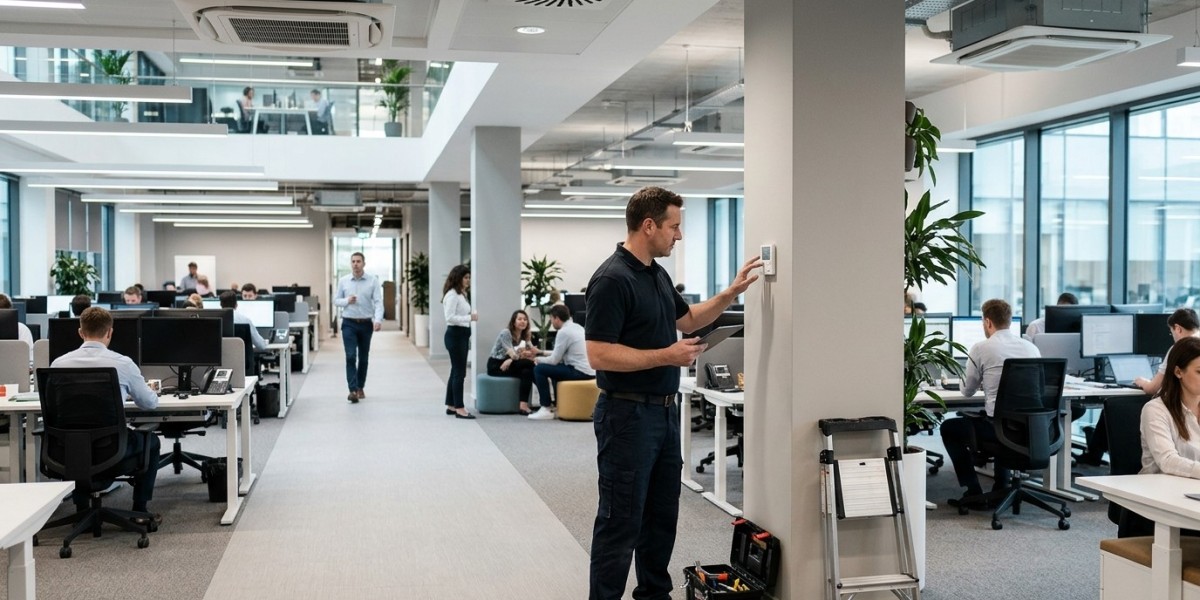

Commercial heating and cooling has a different set of demands from a typical home system. Offices, retail spaces, clinics, and other commercial properties may have different occupancy patterns, equipment loads, ventilation needs, and comfort expectations across the same building. A system that performs well in one space may struggle in another if its controls, airflow, or capacity do not match how the property is used.
When evaluating commercial hvac services in sunnyvale, property managers should consider more than getting the system to start or lowering the thermostat. Good service planning connects equipment condition with the building's actual use. It also accounts for the consequences of downtime, including uncomfortable work areas, interrupted customer service, and possible risks to temperature-sensitive equipment or inventory.
Why commercial spaces need a planned approach
A commercial building can develop uneven temperatures even when the main equipment appears to be running normally. A conference room may warm up when fully occupied, a front-facing office may experience a different heat load from an interior room, and an area with computers or other equipment may need more cooling than nearby spaces. These differences can result from building layout, solar exposure, airflow restrictions, control settings, or equipment limitations.
The first step is to describe the problem by location and time rather than reporting only that the building feels uncomfortable. Record which areas are affected, whether the issue occurs during particular operating hours, and whether it changes when occupancy rises. This information helps a technician assess whether the cause is linked to controls, air distribution, equipment operation, or the building's changing cooling load.
Businesses should also consider how much access a technician will need. Rooftop equipment, mechanical rooms, ceiling voids, and controlled work areas may require coordination with building management. Planning the service window in advance can reduce disruption and help staff understand which areas may temporarily be unavailable.
What a commercial service visit should examine
A useful assessment should begin with the reported symptoms and the system's operating history. The technician may inspect filters, coils, fans, drain systems, controls, electrical connections, and other components relevant to the equipment type. The specific checks will depend on the system design and the reported issue; a small office split system does not have the same components as a large rooftop unit or a multi-zone installation.
Air distribution deserves particular attention. Equipment can operate while conditioned air fails to reach some rooms in adequate amounts. Restricted filters, damaged ducts, poorly adjusted controls, closed dampers, or unbalanced airflow may contribute to uneven comfort. Simply lowering the thermostat can increase demand without correcting the underlying distribution problem, so the cause should be identified before settings are changed across the building.
Controls and schedules should be reviewed as well. Incorrect programming, sensor placement, or conflicting settings can cause a system to run at unsuitable times or fail to respond as expected. If several zones share equipment, the way those zones interact may affect comfort and runtime. A technician should explain any recommended control adjustment in terms of the building's occupancy and operating needs.
How to reduce disruption during repairs
Service work is easier to coordinate when managers identify the areas and times that matter most. A business may prefer work before opening, after closing, or during a period when a particular floor is lightly occupied. That decision should depend on the equipment and the problem, since some faults require prompt attention regardless of the preferred maintenance window.
Before the appointment, make a short record of recent complaints, equipment alarms if present, unusual noises, leakage, repeated shutdowns, or recent changes to room use. Provide access to the thermostat, mechanical areas, and equipment documentation where available. If the property has special requirements for secure rooms, tenants, or temperature-sensitive spaces, communicate those requirements before work begins.
Do not continue operating visibly damaged equipment merely to avoid inconvenience. Burning smells, smoke, repeated electrical trips, water near electrical components, or sudden abnormal mechanical noise can signal a problem that needs prompt assessment. A contingency plan may identify rooms that can be temporarily relocated or operations that can be adjusted while the issue is addressed.
How to assess a proposed service plan
The scope should match the building and the work being recommended. Ask what equipment is included, what inspections or tests will be completed, what parts or repairs are excluded, and how urgent faults will be reported. A vague promise to “check everything” does not tell a manager what will actually happen. A written scope makes it easier to compare proposals on the basis of work, not just price.
It is useful to distinguish troubleshooting from routine maintenance. Troubleshooting investigates a specific problem, while preventive maintenance aims to identify developing issues and keep equipment operating as intended. One does not replace the other. A recent maintenance visit does not guarantee that a new fault cannot occur, and a repair may reveal a broader need for scheduled attention.
When comparing commercial HVAC options in Sunnyvale, ask how findings will be documented and who will explain follow-up recommendations. Clear records of faults, completed work, replaced parts, and unresolved issues can help a property manager track recurring problems instead of treating each visit as an isolated event.
Match the service approach to the building
The right approach depends on the property's hours, number of zones, equipment type, comfort requirements, and tolerance for downtime. A small office may need a relatively simple plan, while a larger or more complex property may benefit from coordinated inspections and documented operating schedules. Avoid choosing a plan based solely on the number of visits; the usefulness of each visit depends on what it covers and how findings are acted upon.
Conclusion
Reliable commercial comfort depends on understanding how a building is used and whether its equipment, airflow, and controls support that use. Strong commercial HVAC support in Sunnyvale should help managers identify faults, plan repairs, and reduce avoidable disruption through clear communication and useful records. Knowing the basics of heating, ventilation, and air conditioning makes it easier to ask informed questions about comfort, airflow, and indoor operation.



