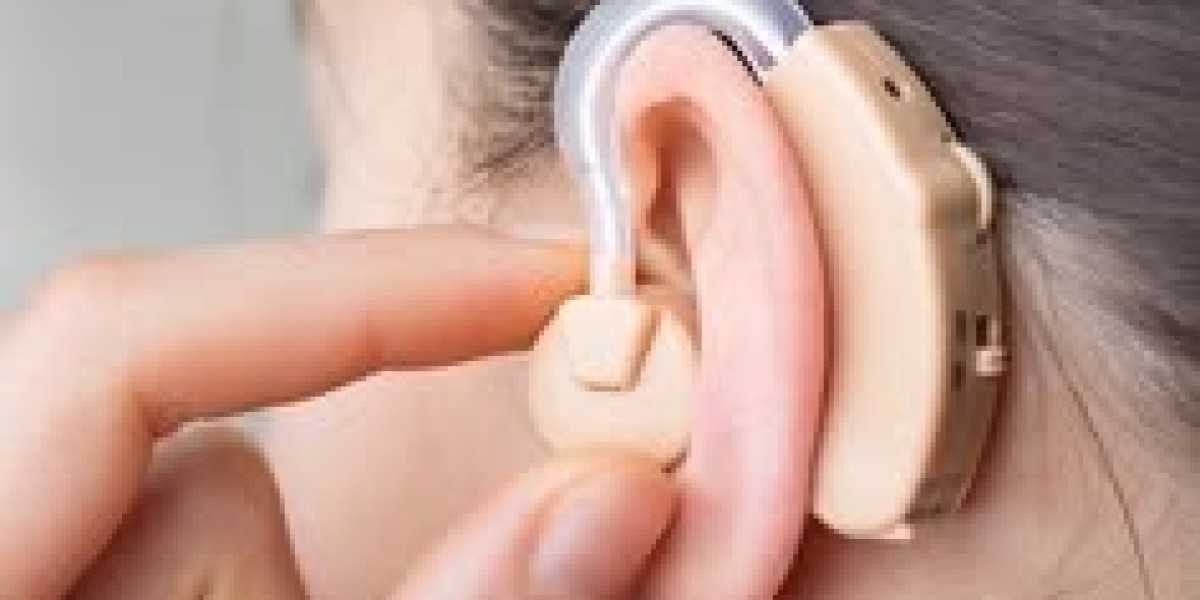

Hearing Aid Price in Pakistan: Understanding Your Options
Hearing plays an important role in communication, social interaction, and everyday activities. When someone experiences difficulty hearing conversations, watching television, or understanding speech in noisy environments, a hearing aid may help improve access to sound.
The hearing aid price in Pakistan varies depending on the device type, brand, technology, and features. Basic digital devices may cost less, while advanced hearing aids with sophisticated sound processing, Bluetooth connectivity, and rechargeable batteries can cost significantly more.
Before choosing a hearing aid, it is important to understand your hearing needs and get advice from a qualified hearing care professional. Audiology Consultant provides hearing assessment and hearing aid services to help people explore suitable options.
What Is the Hearing Aid Price in Pakistan?
Hearing aid prices in Pakistan vary widely. Audiology Consultant's website lists indicative prices across different device categories:
Hearing Aid Type | Indicative Price |
|---|---|
Basic models | PKR 18,000–35,000 per ear |
Mid-range models | PKR 35,000–70,000 per ear |
Premium models | PKR 70,000–250,000+ per ear |
These prices are based on the provider's published information and may change depending on the brand, model, availability, and included services. Confirm the current price directly before purchasing.
Why Do Hearing Aid Prices Differ?
Several factors influence the price of a hearing aid:
Technology level: Devices with more advanced sound processing may cost more.
Brand and model: Different manufacturers offer devices at different price points.
Style: Behind-the-ear, receiver-in-canal, and custom in-ear devices can have different costs.
Features: Bluetooth, rechargeable batteries, and additional listening programs may affect the price.
Fitting and aftercare: Assessment, programming, follow-up appointments, and warranty coverage may be included or charged separately.
Types of Hearing Aids Available
Understanding the main hearing aid styles can help you discuss options with an audiologist.
1. Behind-the-Ear Hearing Aids
Behind-the-ear (BTE) hearing aids sit behind the ear and deliver sound through an earmould or tube. They are available in different sizes and power levels.
2. Receiver-in-Canal Hearing Aids
Receiver-in-canal (RIC) hearing aids place a small receiver inside the ear canal. They may offer a compact design and a range of features, depending on the model.
3. In-the-Ear Hearing Aids
In-the-ear (ITE) hearing aids are custom-made to fit part or all of the outer ear. Their suitability depends on the person's hearing needs, ear anatomy, and handling preferences.
4. Rechargeable Hearing Aids
Rechargeable models use built-in batteries and a charging system. They may be convenient for people who prefer not to replace disposable batteries regularly.
How to Choose the Right Hearing Aid
Finding the right hearing aid involves more than choosing the lowest price. Consider these seven points before making a purchase.
1. Get a Hearing Assessment
A hearing test helps determine the type and degree of hearing loss. The results provide important information for selecting and programming a suitable device.
2. Discuss Your Daily Listening Needs
Tell the audiologist where you experience the most difficulty. For example, you may struggle with family conversations, telephone calls, meetings, or crowded environments.
3. Compare Features
Ask whether features such as Bluetooth, rechargeable batteries, directional microphones, and multiple listening programs are useful for your needs.
4. Check the Fitting Process
A hearing aid should be programmed according to your hearing assessment. Ask whether fitting and adjustment appointments are included.
5. Confirm the Total Cost
Check whether the quoted price covers one hearing aid or a pair. Also ask about accessories, batteries, fitting, and follow-up services.
6. Understand Warranty and Aftercare
Confirm the warranty duration, repair arrangements, and any service charges that may apply after purchase.
7. Choose Based on Suitability
The most expensive hearing aid is not necessarily the best option for every person. A suitable device should match your hearing needs, lifestyle, comfort, and budget.
Audiology Consultant: Hearing Assessment and Hearing Aid Services
Audiology Consultant provides hearing care services in Pakistan, including hearing assessments and hearing aid options. Its website lists hearing aid prices across basic, mid-range, and premium categories.
People considering a hearing aid can discuss their hearing test results, daily listening needs, and budget with the provider before choosing a device.
Frequently Asked Questions
1. What is the hearing aid price in Pakistan?
Audiology Consultant lists basic hearing aids at approximately PKR 18,000–35,000 per ear, mid-range devices at PKR 35,000–70,000, and premium models at PKR 70,000–250,000 or more. Prices depend on the model and may change.
2. Is a hearing aid price quoted for one ear or both ears?
Many hearing aid prices are quoted per device, meaning one ear. If hearing aids are recommended for both ears, the total cost may be higher. Confirm whether the quotation covers one device or a pair.
3. Do I need a hearing test before buying a hearing aid?
Yes. A hearing assessment helps identify the type and degree of hearing loss and supports appropriate device selection and programming.
4. Which hearing aid is best for me?
The best option depends on your hearing assessment, daily listening needs, comfort, handling ability, and budget. A qualified hearing care professional can help you compare suitable models.
Conclusion
Understanding the hearing aid price in Pakistan can help you plan your purchase and compare available options. However, the right hearing aid should be selected based on your hearing needs, device features, professional fitting, and ongoing support.
If you are exploring hearing aids, Audiology Consultant offers hearing assessment and hearing aid services to help you understand available options. Visit its website to learn more and discuss a suitable device with a hearing care professional.