
Introduction
Search engine optimization requires more than publishing content and adding keywords. Websites need a clear keyword strategy, useful content, well-structured pages, and ongoing performance analysis. AI SEO tools help simplify these tasks by analyzing keyword opportunities, evaluating content, and identifying areas for improvement.
For bloggers, digital marketers, small businesses, and SEO professionals, using AI-powered tools can make optimization more efficient while leaving more time for strategy and creative work.
What Are AI SEO Tools?
AI SEO tools use artificial intelligence and data analysis to support different search engine optimization activities. Depending on their features, these tools can help users discover keywords, evaluate competitors, improve metadata, optimize headings, and assess content quality.
Instead of performing every task manually, marketers can use AI-generated recommendations to identify potential improvements and organize their SEO workflow.
How to Find Better Keywords With AI
Keyword research helps you understand what your target audience searches for and which topics deserve attention. An AI keyword research tool can support this process through several steps.
1. Identify Search Intent
Determine whether users want information, product comparisons, or a service they can purchase. Matching search intent helps you create content that answers the right questions.
2. Explore Long-Tail Keywords
Long-tail keywords are more specific search phrases that can reveal relevant opportunities for niche websites. For example, instead of targeting only “SEO tools,” a business could target “AI SEO tools for small business websites.”
Evaluate search demand and competition before prioritizing each phrase.
3. Analyze Competitor Content
Review competing pages to discover topics, questions, and subtopics they cover. Competitor analysis can reveal gaps in your own content and suggest areas where you can provide more useful information.
Improve Content With AI-Powered Optimization
After selecting your target keywords, optimize the page naturally. Useful improvements include:
Writing descriptive title tags and meta descriptions.
Organizing content with clear H2 and H3 headings.
Answering the main search query early in the article.
Adding relevant supporting terms and related questions.
Improving internal links to related pages.
Checking readability, factual accuracy, and topical coverage.
AI recommendations should support these improvements rather than encourage repetitive keywords or unnecessary text.
Track Performance and Refine Your Strategy
SEO requires ongoing evaluation. Monitor impressions, clicks, organic traffic, keyword positions, and conversions to understand whether your optimization work is producing meaningful results.
Use performance data to identify pages that need updated information, stronger internal links, or better alignment with search intent. Remember that no tool can guarantee a particular ranking.
Why Choose Pyxa AI SEO Tools?
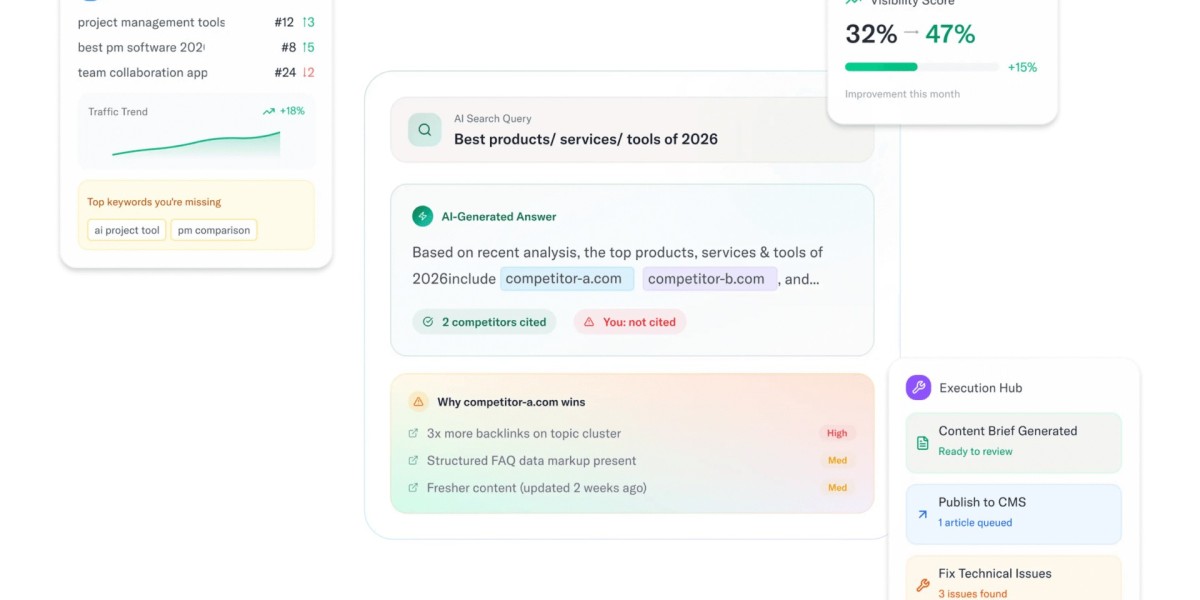
Pyxa AI's SEO Tools page describes features for keyword analysis, competitor tracking, content scoring, on-page recommendations, and metadata generation. These capabilities can help bring several optimization activities into a more organized workflow.
Explore the Pyxa AI SEO Tools page to learn more about the available features and how they may fit your content strategy.
Conclusion
AI SEO tools can simplify keyword research and content optimization by helping marketers identify opportunities and prioritize improvements. The best results come from combining these tools with reliable data, useful content, sound technical SEO, and regular performance reviews.



