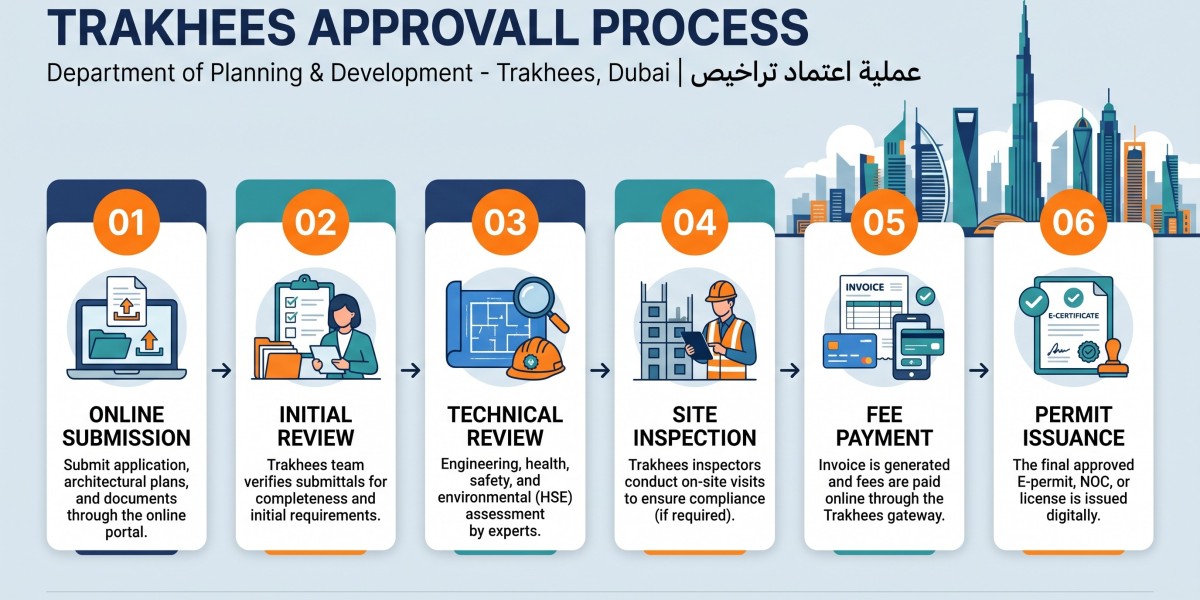

Anyone planning to build, extend, or fit out a property in certain parts of Dubai will sooner or later hear the name Trakhees. It is the regulatory body that reviews many developments before work can begin, and its decisions shape the schedule, the design, and the cost of a project. Understanding the trakhees approval process early helps owners, consultants, and contractors avoid confusion, wasted effort, and avoidable delays on site.
This guide explains the journey in plain language, from checking whether your plot is covered to receiving the final completion paperwork. It does not quote fees, timelines, or legal clauses, because these can change and depend on the type of project. Treat it as a map, then confirm the latest requirements with the official authority. With a clear picture of the trakhees approval process, every meeting with your professional team becomes more productive.
Who Trakhees Is and What It Oversees
Trakhees operates as the regulatory arm connected to the Ports, Customs and Free Zone Corporation in Dubai. Its work covers matters such as planning, engineering review, safety, environment, and permits for developments inside the areas under its authority. Different departments look at different parts of a project, so a single scheme may be examined from several angles. Knowing this structure makes the trakhees approval process feel far less mysterious.
For most applicants, the practical meaning is simple: before major work starts, the design and the method of construction must satisfy the relevant reviewers. These reviews exist to protect people, buildings, and the surrounding environment. They also create a record that shows the project was checked. Seeing approvals as quality control, not as a barrier, helps teams approach the trakhees approval process with a constructive attitude.
Checking Whether Your Project Falls Under Its Jurisdiction
The first practical question is whether your land or building is inside the authority's area. Dubai has several regulators and free zone authorities, and the correct one depends on the location of the plot. Ownership papers, the master developer, and the community documents usually give clear clues. Never assume; confirm directly with the official authority or the master developer before spending money on drawings for the trakhees approval process.
If your property is in a master-planned community, there may be another layer of rules from the developer, such as design guidelines and a separate no-objection step. These requirements often run alongside the authority's review rather than replacing it. Ask which approvals are needed, in what order, and who issues them. Mapping this at the start prevents surprises later in the trakhees approval process.
Stage One: Concept and Early Design
Most projects begin with a concept stage. The design team prepares layouts, massing, and key dimensions to show what is proposed and how it fits the plot, the surroundings, and the applicable guidelines. Reviewers can then give early feedback before the design becomes detailed and expensive to change. Investing care at this point strengthens the entire trakhees approval process, because a sound concept saves rework later.
Good concept submissions are clear, consistent, and honest. Drawings should match the written description, and areas, heights, and uses should be easy to read. If an unusual design choice is proposed, explain the reasoning. Early dialogue with the right department can clarify what will be expected. Teams that treat the concept stage seriously usually move more smoothly through the trakhees approval process.
Stage Two: Detailed Design and Technical Review
After the concept is accepted, the design develops into detailed architectural, structural, and services drawings. Engineers add calculations, specifications, and coordination between disciplines such as plumbing, electrical, and cooling. Reviewers check that the proposal meets technical, safety, and environmental expectations. This is often the busiest part of the trakhees approval process, since many specialists contribute to the same package. Teams that write down their assumptions at this stage almost always find fewer surprises when comments arrive.
Quality of coordination makes a big difference here. Drawings that conflict with each other, or details that do not match the specification, invite comments and slow progress. A short internal review before every submission can catch most of these problems. Ask your lead consultant how they check consistency. Careful preparation keeps the trakhees approval process moving instead of stopping for avoidable clarifications.
Stage Three: Permits and Supporting Clearances
Once the design has reached an acceptable standard, the project usually needs formal permits and supporting clearances before construction can begin. These may involve utility providers, fire and life safety review, and other bodies, depending on the building type. The exact list varies, so confirm the latest requirements with the official authority. Understanding the supporting clearances prevents gaps in the trakhees approval process.
Sequence and timing matter. Some clearances depend on earlier approvals, while others can run in parallel. A simple tracking sheet showing each requirement, its owner, its status, and its next action keeps the team focused. Missing one small clearance can hold up the entire project. Good tracking habits are among the most practical tools in any trakhees approval process. A short conversation with an experienced adviser here can save weeks of correction later in the programme.
Stage Four: Construction Under Inspection
Approval of the design does not end the relationship with the authority. During construction, the contractor must follow the approved drawings, safety rules, and environmental requirements, and inspections may take place at important points. The site team should know which stages require inspection and how to request it. Prepared teams treat inspections as routine milestones within the trakhees approval process. Treat every instruction from the authority as a reference point that deserves to be saved and shared with the team.
If the contractor must change materials, layouts, or methods, the change should be checked against the approval conditions before work proceeds. Some changes need a revised submission, while others may be minor. Do not guess; ask the consultant and, where needed, the authority. Respecting the approved scope protects the whole trakhees approval process and keeps the project legally and practically secure. The cost of getting this right is small compared with the cost of repeating a full submission.
Stage Five: Completion and Handover
As construction finishes, the project moves toward completion procedures. These often include final inspections, confirmation that the built work matches the approved design, and submission of documents such as as-built drawings and certificates. Only after these steps are accepted can the building normally be used as intended. The closing stage is a vital part of the trakhees approval process, because it confirms that safety and compliance were achieved.
Start preparing completion documents long before the last day on site. Collect test reports, inspection records, warranties, and manuals as work progresses rather than searching for them at the end. Assign one person to maintain the file. A tidy document set can shorten the final stage of the trakhees approval process and gives the owner a valuable record for future maintenance. Ask your consultant to explain this point in plain language so the owner can make an informed decision.
Staying Organised Throughout
The best defence against delays is organisation. Keep a master list of required submissions, responsible people, deadlines, and responses. Use consistent file names and version numbers so that nobody works from outdated drawings. Record every meeting and decision in writing. These simple habits make the trakhees approval process transparent to the whole team and to the owner who funds the project. Where a requirement is unclear, a polite written question usually produces a more useful answer than guessing.
Regular internal meetings help too. A short weekly review of open comments, upcoming submissions, and risks keeps problems visible. If something is blocked, decide who will act and by when. Teams that rely on memory or scattered messages often lose time. Structured follow-up turns the trakhees approval process into a managed workflow instead of a series of unpredictable surprises. Owners who stay involved at this point tend to enjoy a calmer experience through the rest of the project.
Why Approval Matters for Owners and Investors
Beyond the legal necessity, proper approval protects the value of the property. Lenders, buyers, tenants, and insurers often expect evidence that a building was designed and completed according to recognised requirements. Missing or unclear approvals can complicate sales, leasing, and financing. Owners who treat the trakhees approval process as part of the investment plan, not as paperwork, usually make wiser decisions. Keep a dated note of what you learned, because memory is a poor substitute for a written record.
Approval also supports safety. Reviews of structure, fire protection, ventilation, and environmental impact exist because mistakes can harm people. A well-documented project gives future facility managers reliable information for repairs and upgrades. This long-term benefit is easy to overlook during a busy construction period, yet it is one of the strongest reasons to respect the trakhees approval process. This is the kind of detail that rarely feels urgent, yet it often decides whether a file moves quickly or slowly.
Keeping Up With Rule Changes
Regulations, forms, and procedures can change over time, sometimes with little notice. Relying on an old project experience or a friend's advice may lead to outdated assumptions. Check the official website, circulars, and service guides regularly, and ask your consultant which version they are following. Confirm the latest requirements with the official authority before every major submission in the trakhees approval process.
Build a habit of verifying rather than remembering. Before each stage, ask whether the forms, fees, supporting documents, or submission methods have changed. Keep a log of the date and source of each confirmation. This small routine protects teams from rejected packages and repeated work. Staying current is a quiet but powerful skill in the trakhees approval process. Review the official service documents again before you commit, since small wording changes can affect what is expected.
Conclusion
The path from concept to completion becomes manageable when you understand each stage, confirm jurisdiction early, prepare clear submissions, coordinate disciplines, and keep careful records. Always verify current requirements with the official authority, because details change. With patience, organisation, and good advisers, the trakhees approval process can support a project that is safe, compliant, and ready for confident use. It is wise to assume that someone else will read your documents without any background knowledge of your project.