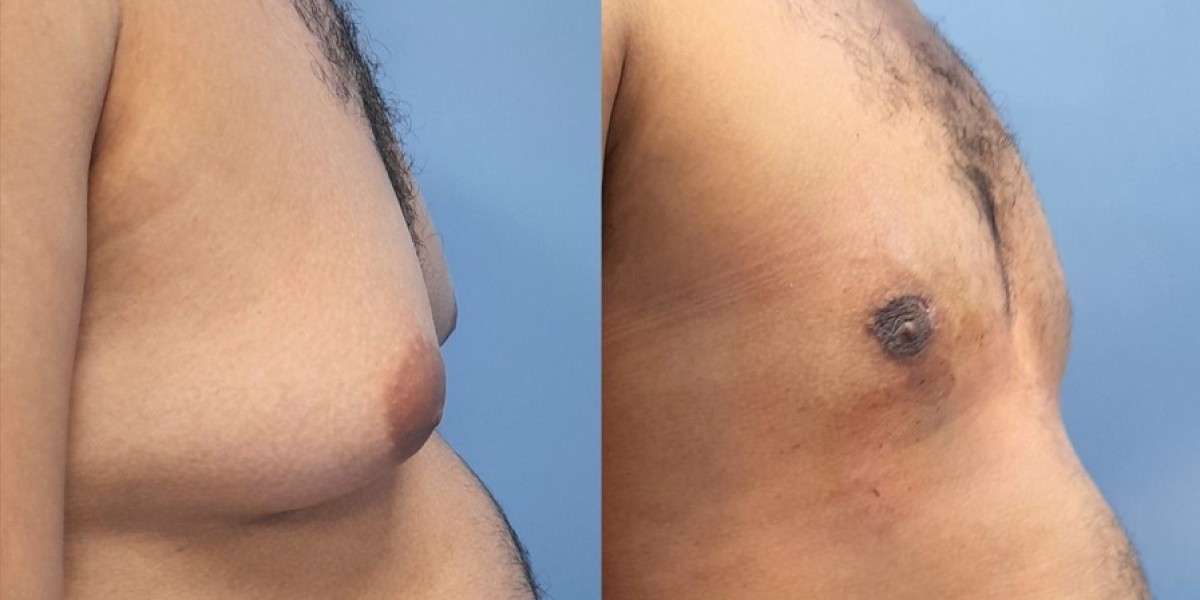

Enlarged breast tissue in men can affect physical comfort, confidence, and body image. The condition may develop because of hormonal changes, certain medications, underlying medical conditions, or excess fat around the chest. Understanding men breast tissue removal options can help individuals learn about possible treatments and decide when to seek professional medical advice.
Treatment depends on the cause of the enlargement, the amount of glandular tissue or fat present, and the individual's health. Some men may benefit from treating an underlying cause, while others may consider surgery after a medical assessment.
What Causes Enlarged Breast Tissue in Men?
Gynecomastia is the enlargement of glandular breast tissue in males. It may affect one or both sides of the chest and can occur at different stages of life.
Common contributing factors include:
Hormonal changes during puberty or aging.
Certain prescription medicines.
Some medical conditions that affect hormone levels.
Changes associated with liver, kidney, or thyroid disorders.
Use of anabolic steroids or certain other substances.
Excess chest fat can also make the breasts appear enlarged. This is sometimes called pseudogynecomastia and differs from true glandular enlargement. Some individuals have both fat and glandular tissue.
A healthcare professional can help identify the likely cause and determine whether further examination or testing is necessary.
What Is Men Breast Tissue Removal?
Men breast tissue removal refers to treatment intended to reduce excess breast tissue and improve the appearance of the male chest. When glandular tissue is responsible for the enlargement, surgery may be considered if the condition persists and causes discomfort or distress.
The appropriate treatment depends on the underlying cause. A clinician may recommend monitoring, reviewing contributing medications, treating an underlying condition, or consulting a qualified surgeon.
Surgery is not automatically necessary for every person with enlarged breast tissue. A proper assessment helps determine whether an operation is suitable.
Surgical Options for Male Breast Tissue Removal
Different surgical techniques may be used depending on whether the enlargement is caused by glandular tissue, excess fat, or both.
Liposuction
Liposuction removes excess fat through small incisions using a thin tube connected to a suction device. It may be appropriate when fatty tissue contributes significantly to chest enlargement.
However, liposuction alone may not adequately remove firm glandular tissue.
Glandular Tissue Excision
This technique involves surgically removing excess breast gland tissue. An incision is often made near the edge of the areola, although the approach depends on the individual case.
The surgeon considers the amount of tissue, chest shape, skin elasticity, and potential scarring when planning the operation.
Combined Surgery
Some patients require both liposuction and glandular tissue removal. Combining techniques may help address different types of tissue and create a more balanced chest contour.
A qualified surgeon should explain which method is appropriate and discuss its expected benefits, limitations, and risks.
Who May Be Suitable for Treatment?
Men with persistent breast enlargement may consider treatment if it causes physical discomfort or affects their confidence. Suitability for surgery depends on several factors, including:
The cause and duration of the enlargement.
The amount of glandular tissue and excess fat.
Overall health and medical history.
Skin elasticity and expected healing.
Whether an underlying condition requires treatment first.
New or rapidly developing breast enlargement, significant pain, a firm lump, or nipple discharge should be assessed by a healthcare professional rather than assumed to be ordinary gynecomastia.
How to Prepare for Surgery
Preparation generally begins with a consultation. The medical team may review your symptoms, medical history, current medications, allergies, and previous treatments.
Depending on the findings, the clinician may recommend blood tests or other investigations to evaluate possible causes.
Before surgery, tell your care team about all medicines and supplements you use. Do not stop prescribed medication unless instructed by your clinician. If you smoke or use nicotine, ask how it may affect healing and what precautions are recommended.
You should also understand the planned technique, anesthesia arrangements, expected recovery, and total treatment cost before giving consent.
Recovery After Men Breast Tissue Removal
Recovery varies depending on the technique used, the amount of tissue removed, and individual healing.
After surgery, temporary swelling, bruising, tenderness, and changes in nipple sensation may occur. Your surgeon may recommend a compression garment to help manage swelling and support the chest during healing.
Follow the instructions provided for wound care, medication, bathing, and physical activity. Light activities may be possible relatively early, but strenuous exercise and heavy lifting should be avoided until your surgeon confirms they are safe.
Attend follow-up appointments so the medical team can monitor your progress. Contact your care team if you develop fever, increasing pain, spreading redness, unusual wound discharge, or sudden swelling. Chest pain or difficulty breathing requires urgent medical attention.
Risks and Expected Results
Like any surgical procedure, men breast tissue removal has potential risks. These may include bleeding, infection, fluid accumulation, visible scars, asymmetry, changes in nipple sensation, uneven chest contours, and the possibility of additional surgery.
The final appearance may take time to become clear as swelling settles. Results vary according to anatomy, the surgical technique, and healing. Surgery cannot guarantee perfect symmetry, and changes in weight or unresolved hormonal factors may influence the chest's appearance over time.
Discuss realistic expectations and possible complications with your surgeon before deciding on treatment.
What Affects the Cost of Treatment?
The cost of male breast tissue removal varies according to the procedure required, the amount of tissue involved, anesthesia, facility charges, and follow-up care.
Liposuction alone may have a different cost from surgery involving glandular tissue removal or a combination of techniques. Additional expenses may include medical tests, medication, compression garments, and post-operative appointments.
Request a written estimate and confirm which services are included. When comparing providers, consider professional qualifications, safety arrangements, and aftercare rather than choosing based on price alone.
Conclusion
Enlarged breast tissue in men can have several causes, and treatment should be based on an appropriate medical assessment. Depending on the cause and severity, options may include monitoring, addressing an underlying condition, or considering surgery.
If you are researching men breast tissue removal, consult a qualified healthcare professional to understand the cause of the enlargement and discuss suitable treatment options. Learning about the procedure, recovery, risks, and costs can help you make an informed decision about your care.



