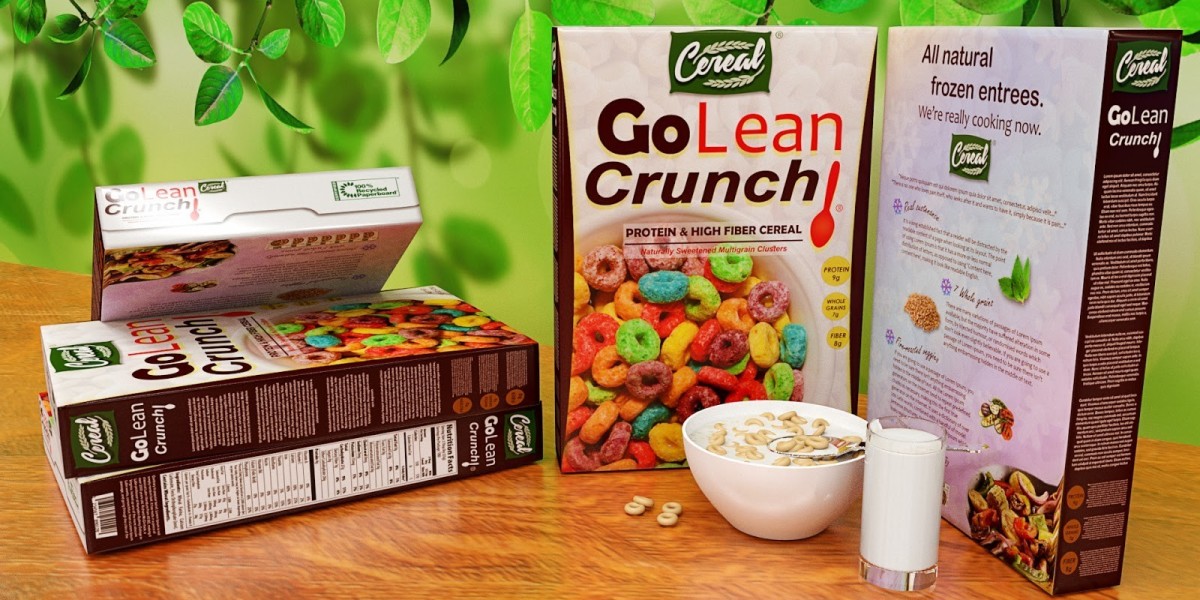

How to Design Cereal Packaging That Keeps Food Fresh and Sells in 2026
Choose a sturdy carton with a food-safe barrier liner, size it to your product, and design it to stand out in a crowded aisle. Custom Food Packaging Boxes protect freshness and carry your brand story, while Custom Cereal Boxes give your product the tall, familiar shape shoppers look for. Order samples early and test them with real product before you commit.
Why Cereal Packaging Matters So Much
Cereal is a low-cost, high-competition product, and shoppers often decide in seconds. The box has to look appealing from several feet away, protect delicate flakes or clusters, and tell people what makes your brand different.
Packaging also faces growing scrutiny. The U.S. Environmental Protection Agency reported that containers and packaging made up about 28 percent of municipal solid waste in 2018, so shoppers increasingly check whether a box is recyclable. Custom Food Packaging Boxes let you balance shelf appeal, food safety, and sustainability in a single decision, which is especially valuable for new and independent brands.
Start With Freshness and Food Safety
A cereal box has one job before it has any other: keep the contents crisp and safe.
The Role of the Inner Liner
Most cereal comes in a sealed bag inside the carton. That liner blocks moisture, oxygen, and odors, so check that it's rated for direct food contact and that the seal is strong. Ask your supplier for documentation on the materials you plan to use.
Carton Board and Coatings
The outer carton adds structure and print quality. Food-grade paperboard works well, and a light coating helps resist scuffs and humidity during shipping. Custom Food Packaging Boxes with water-based inks and a matte finish look premium while keeping recycling simple.
Choose the Right Box Style and Size
The classic tall carton is popular for a reason: it stacks neatly, fits standard shelving, and gives you a large front panel for design.
Common Formats
- Standard tuck-top cartons: The familiar choice for retail shelves, easy to fill and ship flat.
- Mini cartons: Great for variety packs, sampling programs, and single-serve snacks.
- Display-ready boxes: Perforated or tear-away designs let stores stock your product without extra fixtures.
- Granola and bar sleeves: A lighter option for clusters and snack-style products.
Many small brands choose Custom Cereal Boxes in a slightly different height or width to separate themselves from big-name competitors, as long as the size still fits standard shelving.
Sizing Tips
Measure the filled liner, not just the cereal. Leave a little room for settling, since cereal compresses in transit and can make a box look half empty. Request a physical sample, fill it with real product, and shake it gently to see how it behaves.
Design Ideas That Win the Aisle
Shoppers scan shelves quickly, so keep your front panel simple. Use a bold logo, a clear flavor name, and one hero image. High-contrast colors help, and a short line of copy about what makes your cereal different gives people a reason to pick it up.
Make Information Easy to Find
Nutrition facts, ingredients, allergen notes, and barcode placement all need to follow labeling rules, so plan them early in the design. Leave enough space on the back panel for a short brand story or recipe idea, which builds trust and adds value.
Finishes That Add Shelf Impact
Spot UV, foil accents, and embossing help key details stand out. Custom Cereal Boxes with a glossy character illustration on a matte background, for example, tend to catch the eye without adding much cost.
Sustainability Without the Guesswork
Recycled paperboard, FSC-certified fiber, and plant-based inks are widely available. Skip heavy plastic windows or laminates that make recycling harder. Custom Food Packaging Boxes made from recyclable board give eco-minded shoppers a clear reason to choose your brand, and you can highlight that on the box itself.
Timeline and Budget Tips
Work backward from your launch so you aren't paying for rushed production:
- Weeks 1 to 2: Confirm dimensions, board type, and liner.
- Weeks 3 to 4: Finalize artwork and approve a sample.
- Weeks 5 to 8: Place your order and confirm delivery.
- Ongoing: Reorder before stock runs low.
To control costs, stick to standard sizes and limit the number of print colors. Custom Food Packaging Boxes also get cheaper per unit at higher quantities, so order what you'll realistically sell in a few months.
Frequently Asked Questions
Can I order small quantities for a new cereal brand?
Yes. Many manufacturers offer runs in the low hundreds, especially with digital printing. Custom Food Packaging Boxes in small batches are a smart way to test a design before scaling up.
Do cereal boxes need an inner bag?
In most cases, yes. The bag protects freshness, while the carton provides structure and print space.
How long does production usually take?
Plan on several weeks from final artwork to delivery, and longer if you add special finishes. Ordering samples early helps avoid surprises.
Final Thoughts
Great cereal packaging protects freshness, communicates your brand in seconds, and works with standard retail shelving. Test samples with real product, keep your design clear, and plan your timeline well before you run low. If you'd like help bringing your packaging to life.



