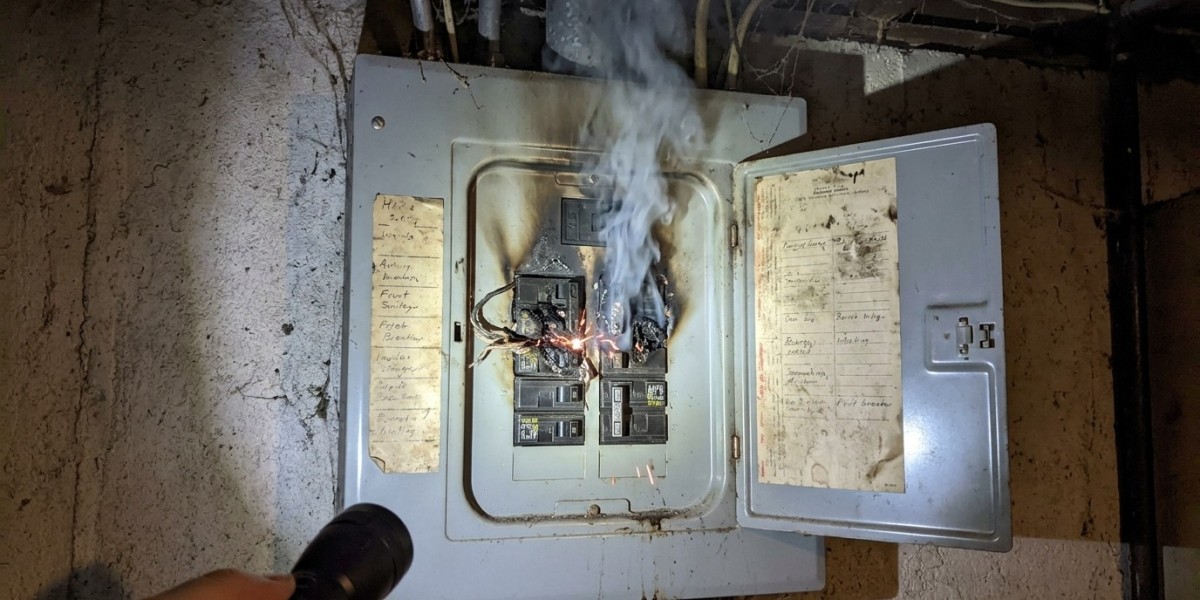

A flickering light or a tripped circuit breaker may seem like an ordinary household inconvenience. But what if the outlet feels unusually hot, a burning smell appears, or half the house suddenly loses electricity? Some electrical problems can wait for a scheduled appointment, while others require immediate attention because they may involve fire, electric shock, or damaged wiring. Knowing the difference matters. A homeowner who recognizes serious warning signs can take appropriate precautions, avoid dangerous troubleshooting, and explain the situation more clearly when professional help is needed.
How to Tell Whether an Electrical Problem Is an Emergency
The urgency of an electrical problem depends on the symptoms and the potential danger, not simply whether the electricity has stopped working. A single light that stops working may involve a failed bulb or fixture. However, smoke from an outlet, visible sparking, or a burning smell near electrical equipment suggests a potentially hazardous condition. These problems may involve overheated connections, damaged insulation, or electrical faults that require immediate professional evaluation. Continuing to use affected equipment can increase the danger, particularly when the underlying cause remains unknown.
Sudden electrical failures also require context. If an entire neighborhood loses power, the problem may be with the utility distribution system rather than the home's wiring. If only certain rooms lose electricity while other circuits remain operational, the problem may be inside the property. A tripped breaker can indicate an overload, but it can also respond to a short circuit or another fault. Identifying the affected area helps determine what information to provide to the utility or electrician without attempting unsafe repairs.
Warning Signs That Should Never Be Ignored
Some electrical hazards give noticeable warnings before a serious failure occurs. Outlets may become warm, switches may produce unusual sounds, or lights may dim unexpectedly when equipment starts. These symptoms do not always identify the exact problem, but they indicate that the system should be inspected. Repeatedly resetting breakers or continuing to use damaged devices can hide a developing fault. A burning odor is especially concerning because overheated wire insulation or electrical connections may produce a smell before visible smoke appears.
Pay attention to these situations:
Smoke, flames, or a persistent burning smell near electrical equipment.
Crackling, popping, or sustained sparking from outlets or switches.
Electrical panels or outlet covers that become unusually hot.
Repeated breaker trips with no clearly identified cause.
Electric shocks or tingling sensations when touching appliances or switches.
Electrical equipment exposed to flooding or significant water intrusion.
Not every symptom requires the same response. A dangerous condition involving smoke, fire, active sparking, or exposed energized equipment calls for immediate safety precautions. Other recurring symptoms require prompt inspection even when they appear less urgent. When there is uncertainty about the severity of a problem, avoiding the affected equipment is safer than continuing to test it.
What to Do Immediately When Electrical Equipment Appears Unsafe
If electrical equipment is smoking, burning, or producing flames, evacuate the affected area and call 911. Do not touch the equipment or attempt to investigate inside an outlet, fixture, or electrical panel. If it is safe to do so without approaching the hazard, disconnecting power using an accessible breaker may reduce risk, but personal safety comes first. Never open a panel cover to investigate an emergency or touch electrical controls that are hot, visibly damaged, or exposed to water. A dangerous fault may remain energized even when some parts of the building have lost electricity.
For a problem that does not involve immediate danger, stop using the affected appliance or circuit and arrange qualified inspection. Avoid plugging equipment into nearby outlets to see whether the problem spreads. Do not use extension cords as a permanent workaround for damaged wiring or failed receptacles. When requesting emergency electrical repair, describe the symptoms, where they occurred, when they started, and whether smoke, water, or damaged equipment is involved. This information can help the electrician prepare for the situation.
Why Circuit Breakers Keep Tripping
Circuit breakers are designed to interrupt electrical current under specified unsafe conditions. A breaker may trip because too many devices draw power from the same circuit, or because an electrical fault causes excessive current. For example, running multiple high-wattage appliances together may overload a branch circuit. By contrast, damaged wiring or a failed appliance may create a short circuit that requires a different response. The breaker is a protective device, so repeated tripping should not be treated as something to overcome by continually turning it back on.
A single trip involving an identifiable temporary overload may be less concerning than a breaker that trips immediately or repeatedly. However, the cause must be understood before restoring use. If the breaker will not remain on, produces unusual sounds, shows damage, or trips without an obvious explanation, leave the circuit off and contact an electrician. Never replace a breaker with one rated for higher current simply to prevent trips. The breaker rating must match the circuit's design and conductor protection requirements.
What Flickering Lights and Partial Power Loss May Reveal
Flickering lights can result from several different conditions, including loose electrical connections, problems with a fixture, changes in electrical demand, or utility supply issues. If only one lamp flickers, a defective bulb or fixture may be involved. If lighting throughout the house changes brightness unexpectedly, the situation deserves more attention. Problems involving the electrical service or neutral connection can cause abnormal voltage conditions that may damage appliances or create hazards. A qualified electrician or utility provider should investigate widespread or unexplained changes in power quality.
Partial power loss also requires careful assessment. Some homes may lose electricity in one section because a branch circuit has tripped, while other failures may involve the main service or utility supply. Homeowners should not remove panel covers or test energized electrical parts to find the cause. Instead, note which rooms and appliances are affected and whether nearby properties have similar problems. These observations help distinguish a possible utility issue from a fault that requires investigation inside the building.
What an Electrician Checks Before Making Repairs
A qualified electrical repair service should identify the cause of the fault before replacing components. Depending on the symptoms, the electrician may examine accessible outlets, switches, electrical panels, branch circuits, and connected equipment. Professional testing can help locate damaged conductors, loose connections, insulation faults, or protective devices that are not operating correctly. The inspection may also reveal whether an appliance is causing the problem rather than the building wiring. Accurate diagnosis is important because a visible damaged component may be the result of another fault elsewhere in the circuit.
Once the cause has been identified, the repair should address the underlying condition and restore appropriate electrical protection. This may involve replacing damaged connections, correcting circuit problems, repairing wiring, or installing suitable protective devices. A properly completed repair should also include relevant testing before the affected circuit returns to service. Homeowners should ask what caused the failure, whether other circuits could have similar problems, and what precautions are appropriate afterward. These explanations make future warning signs easier to recognize.
How to Reduce Electrical Problems Around the Home
Preventive electrical safety does not require homeowners to perform technical work themselves. Simple habits can reduce avoidable stress on electrical equipment. Avoid overloading receptacles, stop using damaged cords, and make sure appliances are connected according to their manufacturers' instructions. Space heaters and other high-demand appliances should not rely on extension cords or overloaded power strips. Test smoke alarms and ground-fault circuit interrupters according to their instructions. If a switch, outlet, or fixture behaves abnormally, arrange inspection rather than waiting for the problem to become more serious.
Homes with older wiring, repeated electrical problems, or substantial new appliance loads may benefit from a broader electrical inspection. Adding high-demand equipment without reviewing existing capacity can create problems that are not immediately obvious. Keep a record of recurring breaker trips, unusual sounds, flickering lights, and previous electrical repairs. These details can help a professional identify patterns that might otherwise go unnoticed. Regular attention to minor warning signs is often more useful than waiting until a circuit fails completely.
Conclusion
Electrical problems should be judged by their warning signs and potential hazards rather than how inconvenient they seem. Smoke, burning smells, exposed wiring, and repeated unexplained faults deserve prompt attention, while professional diagnosis helps prevent temporary fixes from concealing more serious conditions. One important hazard is an arc fault, where electrical current passes through an unintended path and can generate intense heat. Recognizing dangerous symptoms and knowing when to stop using electrical equipment can make a meaningful difference in household safety.



