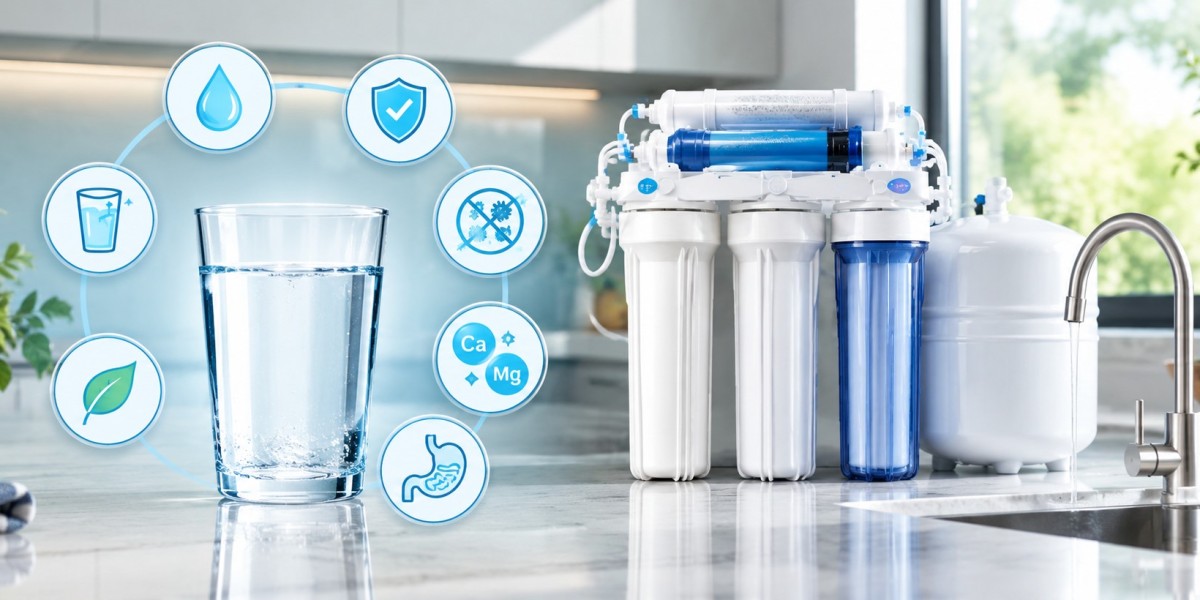

Access to clean, safe, and great tasting drinking water is essential for every household. Across many regions, tap water travels through miles of aging municipal pipes before reaching your kitchen sink. Along this journey, water can absorb various trace elements, heavy metals, industrial compounds, and treatment chemicals. Investing in an advanced residential filtration system ensures that your family enjoys pristine water every single day.
Modern home water systems offer an effective defense against hidden tap water impurities. Traditional pitcher filters or basic faucet attachments often trap only large sediment particles and simple chlorine taste, leaving smaller dissolved solids behind. Whole house systems and point-of-use drinking solutions provide a far more thorough purification process, significantly reducing total dissolved solids and improving clarity.
Upgrading your home filtration allows you to experience the full benefits of reverse osmosis water, which delivers exceptional purity by removing invisible contaminants at a microscopic level. By forcing tap water through a semipermeable membrane, this advanced filtration process eliminates heavy metals, nitrates, fluoride, microplastics, and dissolved minerals that standard filters leave behind. As a result, every glass of water from your tap becomes noticeably cleaner, crisper, and better tasting.
Understanding Common Tap Water Contaminants
Municipal water treatment plants perform a vital service by treating source water to meet federal safety standards. However, the process of disinfecting water often involves adding chemicals like chlorine or chloramines, which can impart strong tastes and chemical odors. As treated water flows through older distribution networks, it can pick up secondary contaminants including rust particles, lead, copper, and sediment.
Private well water supplies face different purification challenges. Well water does not undergo central municipal treatment, making it vulnerable to local environmental runoff. Agricultural fertilizers can introduce nitrates and nitrites into well water, while natural geological deposits often contribute high levels of hardness minerals, iron, manganese, and sulfur.
The Connection Between Water Quality and Daily Comfort
Water plays a role in almost every part of daily life, from preparing morning coffee to washing fresh produce and filling a reusable bottle before leaving home. Although taste is often the first noticeable sign of water quality, the benefits of effective filtration extend beyond flavor.
Dissolved minerals, chlorine, and other substances can influence how water tastes, smells, and behaves during everyday use. The right treatment method can help address these concerns while making drinking water more convenient to access.
Reverse osmosis has become a widely used residential treatment option because it can reduce many dissolved contaminants through a carefully designed membrane process.
How Reverse Osmosis Improves Water Quality
Reverse osmosis works by applying pressure to water and moving it through a selective membrane. This process reduces many dissolved substances while allowing treated water to pass into a storage tank or directly to a dispensing point.
The technology is particularly useful when homeowners want more than basic sediment filtration. Depending on the system and incoming water conditions, it can reduce certain salts, metals, and other dissolved compounds.
However, no filtration technology should be considered universally effective against every possible contaminant. Performance claims should always be checked against independent testing or certification information.
Everyday Advantages of Purified Water
One of the most noticeable advantages is improved taste. Reducing chlorine and certain dissolved substances can make water more pleasant to drink, encouraging households to choose tap water more often.
Other practical benefits include:
- Greater convenience than regularly purchasing bottled water.
- Consistent water quality at a dedicated drinking-water tap.
- Better-tasting coffee, tea, and other beverages.
- Reduced reliance on single-use plastic bottles.
- A practical supply of treated water for cooking and food preparation.
These advantages can make a difference in busy households where access to drinking water needs to be simple and dependable.
Understanding the Real Benefits of Reverse Osmosis Water
The value of reverse osmosis depends on the quality of the incoming water and the needs of the people using it. A system may be particularly useful where testing identifies dissolved substances that the selected membrane is designed to reduce.
Some systems also include remineralization stages to adjust taste and add selected minerals back into the treated water. This can be an option for homeowners who prefer a different mineral profile.
It is equally important to understand that reverse osmosis produces wastewater during operation. Modern designs can improve efficiency, but the amount of water rejected varies according to system design, pressure, and operating conditions.
How Reverse Osmosis Filtration Works
Reverse osmosis is one of the most comprehensive and effective water purification technologies available for residential use. The process relies on physical pressure to force raw water through a specialized semipermeable membrane. This membrane contains extremely tiny pores that allow pure water molecules to pass through while blocking larger dissolved solids, heavy metals, and chemical compounds.
A typical system features multiple sequential stages of treatment to ensure optimal purity and protect the core membrane. First, raw water flows through a sediment pre filter to catch dirt, sand, rust, and suspended particles. Next, an activated carbon filter absorbs chlorine, chloramines, organic compounds, and unpleasant odors that could otherwise damage the membrane material.
Making Filtration a Long Term Investment
A filtration system should be evaluated by more than its initial purchase price. Filter replacements, membrane lifespan, water usage, installation requirements, and maintenance costs all contribute to its long term value.
Homeowners should select a system with clearly documented performance and accessible replacement components. Following maintenance recommendations helps preserve filtration quality and avoid unnecessary operating problems.
Comparing Point of Use and Whole House Systems
Homeowners exploring water treatment options often choose between point of use drinking systems and whole house filtration systems. Each configuration serves distinct needs within a home, and combining both provides complete coverage. Understanding the differences helps you select the best approach for your household requirements.
Point of use systems, such as under sink reverse osmosis units, focus specifically on treating water at a single location dedicated to consumption. These systems deliver ultra purified water for drinking, ice making, and cooking directly from an auxiliary faucet. Because they treat smaller volumes of water at higher purification levels, they offer maximum protection for daily consumption.
Conclusion
Reverse osmosis can offer meaningful everyday advantages, including improved taste, convenient access to treated water, and reduced dependence on bottled beverages. Its effectiveness is strongest when the system is selected according to actual water conditions and maintained correctly.
By understanding both its capabilities and limitations, homeowners can make a practical decision that supports their drinking water preferences and household routine.