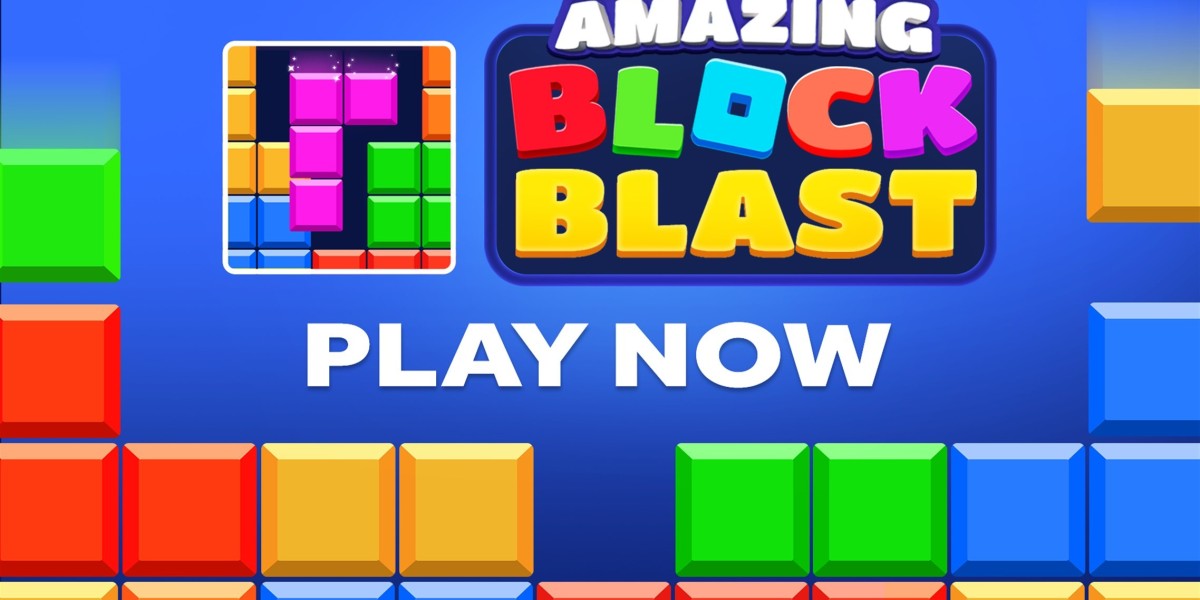

I started playing Block Blast on a lazy afternoon expecting something pretty simple. You know the vibe: drag blocks onto a grid, clear a row or column, feel smart, repeat. That’s basically what I told myself.
The first few moves confirmed my suspicion—like, “Yep, this is totally my kind of puzzle game.” Then the board started filling up, and the whole thing got way more stressful in the quietest way possible. No countdown timer, no panic music, just me slowly realizing that I wasn’t placing blocks so much as negotiating for future survival.
The simple part: drag, place, clear
In Block Blast, you get a set of block shapes and drag them onto a 9x9 grid. Pieces don’t fall like in some other block puzzles, and they can’t be rotated. That last bit surprised me. I kept thinking, “Wait… I could’ve made this work better if I could just flip it.” But nope—whatever orientation you get is the one you have to deal with.
When you complete a full horizontal row or vertical column, it clears those cells. Sometimes it even clears more than one line at once, and I genuinely got a little too excited the first time that happened. One placement turned into a mini domino effect, and for a second I felt like I had this under control.
Then I made a bad decision.
The part that got me: planning several moves ahead
After a round or two, I noticed something: the game starts easy because the board still has options. But once the grid gets crowded, suddenly every placement changes what kinds of moves you can make next.
I’d place a piece I thought was obvious—something that looked clean, like it would set me up for a clear later. But then another block shape showed up with a size or shape that couldn’t fit into the area I created. That’s when the board felt less like a puzzle and more like a trap I’d built for myself.
The annoying part is the way “small” gaps matter. It only takes one awkward little pocket—like an isolated space in the corner or a narrow gap in the middle—to make later placements feel almost impossible. Keeping large open areas ended up being more important than I expected. I stopped chasing quick clears and started thinking: Can I leave room for the next pieces I’m going to get?
Because the blocks you have available are part of the puzzle from the start. The game doesn’t just give you one piece and ask for a desperate scramble. It hands you a set of shapes, and you’re supposed to consider them as a group before you commit.
Mistakes I made (and why I learned from them)
My biggest mistake was placing an “easy” piece too quickly. I’d see a spot and think, Sure, I’ll take that. But then I’d realize I just used space that could’ve been preserved for a harder-to-fit shape later.
Another time, I accidentally created a weird little gap—nothing dramatic on its own, just one awkward area that looked fillable… until it wasn’t. The next available blocks didn’t match it at all, and I could feel myself getting stuck. That’s when the game ended up teaching me the same lesson over and over: don’t just aim for the best current move. Aim for the best board state.
Eventually, after a couple failed runs, it clicked. I started slowing down—not to be dramatic, but because the no-time-limit setup makes you able to think properly. When you can take your time, you can actually plan.
And that’s what made the game fun again. When I placed a block and cleared multiple lines, it felt earned. Like I’d finally outsmarted my earlier self.
A few casual tips I picked up
I don’t have a “perfect system,” but these habits helped me a lot:
First, I try to keep big open spaces, because small isolated gaps tend to turn into problems. Second, I scan my available block shapes before I make the first move—if I ignore the set I’m working with, I end up forcing placements later. Third, I pay attention to how a single placement can clear multiple rows or columns, because when that happens, the whole run starts to breathe.
What I like about Block Blast
What surprised me most is how much the game makes you care about space management. It looks straightforward at first, but as the grid fills, your decisions start feeling like they have weight. Not in a “hardcore strategy” way—more like, “Okay, think one step farther or you’re going to regret this.”
If you’re into puzzle games and you like that calm-but-competitive feeling of trying to keep options open, give Block Blast a try. Play a few runs, and when you inevitably get stuck (because I did), come back and play again. That’s the fun part—we can compare notes on who’s best at keeping the board open longer.