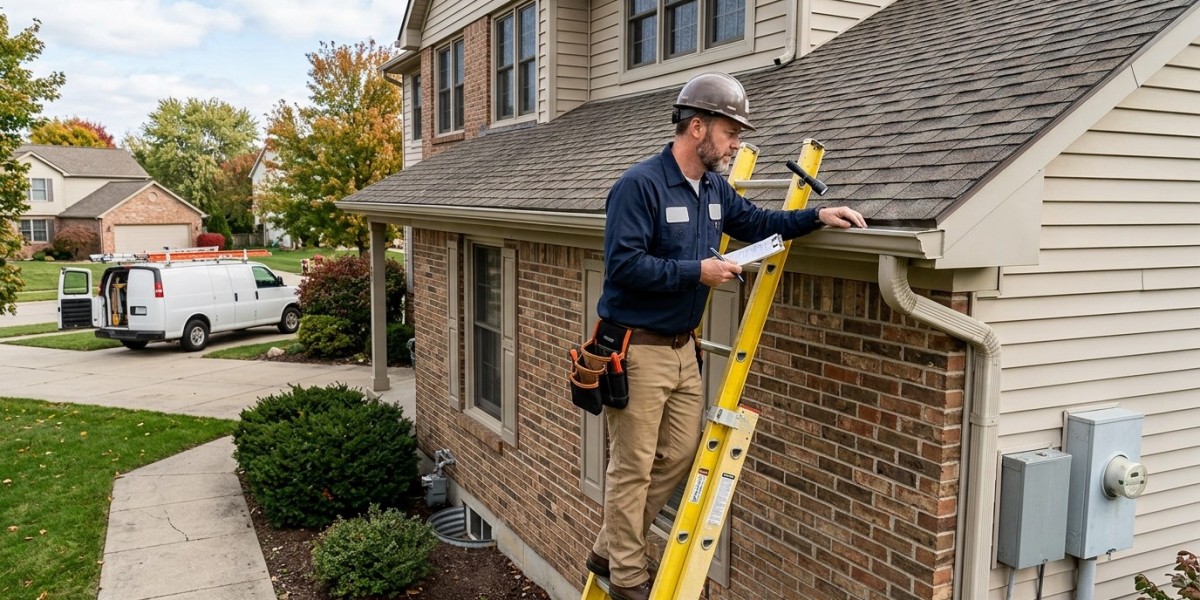

A home inspection can tell you a great deal about a property, but it is not a test of everything inside, outside, or beneath the home. Buyers sometimes expect an inspector to find every hidden defect, identify every code issue, test for every harmful substance, or confirm how long each system will last. Those expectations can lead to confusion when the final report is delivered.
Understanding home inspection exclusions before the appointment can make the process much easier. A standard inspection focuses mainly on visible and accessible conditions at the time of the inspection. Some areas need specialized testing, destructive investigation, contractor evaluation, or separate professional services. Knowing where those boundaries are helps buyers ask better questions and arrange additional evaluations when necessary.
What Does a Standard Home Inspection Usually Cover?
A standard home inspection generally focuses on the home's visible and accessible structure, systems, and components included in the agreed inspection scope. Depending on the property, this can include the roof, exterior, foundation and visible structure, plumbing, electrical components, heating and cooling equipment, attic areas, interior spaces, windows, doors, and other accessible features.
The inspector reports conditions that can be observed during the visit. This is different from opening walls, dismantling equipment, removing flooring, or testing every hidden component. The goal is to provide useful information about the property's condition without performing destructive work. The exact scope can vary, so buyers should review the inspection agreement before the appointment.
1. Hidden Problems Behind Walls and Ceilings
One of the most common home inspection exclusions involves concealed conditions. An inspector cannot normally see inside finished walls, enclosed ceilings, or areas blocked by permanent materials. Plumbing pipes, electrical wiring, framing connections, insulation, and other components may be hidden from view.
This does not mean the inspector ignores signs of a possible hidden problem. Water stains, unusual odors, visible damage, uneven surfaces, or other clues may suggest that more investigation is needed. In those situations, the report may recommend further evaluation. A buyer should understand that a recommendation for additional investigation is not the same as a confirmed hidden defect.
2. Mold Testing and Laboratory Analysis
A general inspection may identify visible moisture conditions or suspicious staining, but it is not automatically the same as a dedicated mold inspection or laboratory testing service. Determining the presence, type, or extent of mold may require specialized methods.
This distinction matters because moisture and mold are often connected. An inspector may notice conditions that deserve attention without being able to establish the full cause through a standard visual inspection. When a property has visible concerns involving suspected growth or recurring moisture, a dedicated mold inspection can provide a more focused evaluation.
Buyers should also remember that removing visible material without addressing the source of moisture may not solve the underlying issue.
3. Radon Testing
Radon is another area that may require separate testing. A standard visual inspection cannot determine the concentration of a gas that cannot be seen or smelled. Testing requires appropriate equipment and procedures designed to measure radon levels.
Homes with basements, lower-level living areas, or crawl spaces may prompt buyers to ask about radon, but the property's appearance does not tell you whether levels are elevated. When radon is a concern, a dedicated test should be considered rather than assuming the general inspection provides that information.
4. Asbestos Identification and Confirmation
Older homes can contain materials that may raise asbestos-related questions, particularly when original building materials remain in place. A general home inspection may note materials that appear old or potentially concerning, but visual inspection alone cannot reliably confirm asbestos content.
When a material needs to be identified, sampling and laboratory analysis may be required. Buyers should not disturb suspicious materials simply to determine what they are. Cutting, drilling, sanding, or removing material can create unnecessary exposure.
When the property contains older materials and renovation work is planned, a dedicated asbestos evaluation may be more appropriate than relying on a general inspection report.
5. Termites and Other Wood-Destroying Insects
An inspector may notice visible evidence that suggests insect activity, but a general inspection is not necessarily a full termite or wood-destroying insect inspection. Specialized inspections are designed to look more closely for evidence of these pests and related damage.
This distinction is important because insect activity may occur in areas that are difficult to observe during a general inspection. Buyers who see damaged wood, mud tubes, frass, or other suspicious conditions should ask what additional evaluation may be appropriate.
A separate termite inspection can provide a focused assessment when insect activity is a concern.
6. Sewer Lines and Underground Plumbing
A home's plumbing system includes components that may be hidden beneath floors or underground outside the building. A standard inspection can review visible plumbing fixtures and accessible components, but it does not necessarily include a camera inspection of the sewer line.
A sewer line can have its own set of concerns, including blockages, root intrusion, damaged sections, or other conditions that cannot be confirmed through a simple visual review of sinks and drains. Older homes may make sewer-line questions more relevant, especially when there are recurring drainage problems or unexplained backups.
When a buyer has reason to be concerned, a specialized sewer scope can provide information that falls outside a typical visual inspection.
7. Pools, Spas, and Specialty Equipment
Pools and spas can involve pumps, heaters, electrical equipment, plumbing, structural surfaces, and safety features that require specialized knowledge. A general home inspection does not automatically provide a complete evaluation of all those components.
The same principle applies to specialty systems such as certain private water systems, wells, septic systems, and complex equipment. Some components may be visible without being fully testable within a standard inspection.
Buyers should identify specialty features before scheduling the inspection and ask whether separate professional evaluation is appropriate.
8. Code Compliance Is Not the Same as a Home Inspection
Many buyers ask whether an inspector will determine if a home “passes code.” That is not generally the purpose of a standard home inspection. The inspector may identify visible conditions that appear unsafe, improper, damaged, or in need of attention, but a home inspection is not automatically a complete code-compliance audit.
Building requirements can depend on the type of property, the age of the work, local rules, permits, and the authority having jurisdiction. Determining compliance with a specific requirement may require a different professional or review of municipal records.
This is particularly relevant after remodeling. A renovated kitchen or finished basement may look complete, but questions about permits or official approvals are separate from the inspector's visual observations.
9. Predicting Future Failures and Lifespans
An inspector can report the apparent condition of a system, but no visual inspection can guarantee exactly when a roof, furnace, air conditioner, water heater, or other component will fail.
A system may be operating during the inspection and still need replacement later. Another older component may continue working for years. Age can provide context, but it does not establish an exact remaining lifespan.
This is why buyers should be cautious with statements such as “this roof has five years left” unless a qualified professional has provided that opinion based on the appropriate evaluation. Inspection findings describe current observable conditions rather than promising future performance.
10. Areas That Are Not Accessible
Access is another major factor. If a locked room, blocked utility area, stored belongings, or other obstruction prevents the inspector from seeing a component, the area may be reported as inaccessible or not inspected.
This can matter more than buyers realize. A basement corner packed with storage, an electrical panel behind a permanent obstruction, or an attic opening that cannot be safely reached may limit what can be observed.
Before the appointment, buyers should ask the seller or agent to make relevant areas reasonably accessible. Better access does not guarantee that every component can be inspected, but it can reduce unnecessary gaps in the report.
Does a Home Inspection Include Every Appliance?
Appliances may be inspected for basic visible condition and operation when they are within the agreed scope and accessible. That does not mean every appliance receives a detailed mechanical evaluation.
A refrigerator may cool during the visit but still have an internal issue that is not apparent. A washing machine may operate while a hidden component is nearing failure. The same principle applies to dishwashers, ovens, garbage disposals, and other household equipment.
Buyers should treat appliance observations as part of the overall inspection rather than as a guarantee of long-term performance.
Can an Inspector Determine the Cause of Every Problem?
Not always. An inspector may be able to identify a symptom without determining its exact source. A stain on a ceiling, for example, can be caused by several different conditions, and the visible evidence may not reveal which one is responsible.
In these cases, the report may recommend further evaluation by a qualified specialist. That is a normal part of the inspection process. The inspector's role is to report what can be observed and identify conditions that may require additional investigation.
Trying to force a definite diagnosis when the evidence is limited can create more confusion than clarity.
Why Chicago Homes Can Have Different Inspection Limits
Homes across the Chicago area vary widely in age, construction, remodeling history, and design. A newer suburban home may have different inspection limitations than an older city property with additions, finished basements, or multiple renovations.
Seasonal conditions can also influence what is visible. Snow, wet weather, frozen ground, and other temporary conditions can limit access to certain exterior components. A buyer should understand that an inspection reflects the conditions present on the inspection date.
For example, a buyer purchasing in Berwyn may encounter a property with older construction and previous modifications, while another property in the same general market may have a much newer building assembly. The inspection scope should always be considered in the context of the specific home.
What Should Buyers Do When a Problem Falls Outside the Inspection Scope?
The first step is to understand why the issue falls outside the standard inspection. Some matters simply require specialized testing. Others may involve inaccessible or concealed components. Once that is clear, the buyer can decide whether further investigation is worthwhile.
A specialist may be the right choice when the concern involves mold, radon, asbestos, termites, sewer lines, structural questions, or trade-specific work. The key is to avoid treating every recommendation as proof of a major defect. Further evaluation is often about getting better information before making a decision.
Buyers should also keep the inspection report and specialist reports together. Having the records in one place makes it easier to track what was observed and what was later evaluated.
How Can Buyers Prepare for Inspection Limitations?
Preparation starts with knowing the inspection scope before the appointment. Ask what systems and areas will be reviewed, what services are separate, and what conditions may limit access.
Buyers should also read the report carefully instead of focusing only on the summary section. Detailed notes may explain why an area could not be inspected or why a specialist was recommended.
Understanding these limitations does not make the inspection less useful. It makes the buyer's expectations more realistic and helps identify where additional due diligence may be necessary.
FAQs
Does a home inspection check for everything?
No. A standard inspection focuses on visible and accessible components within its agreed scope. Specialized testing and concealed conditions may require separate evaluation.
Does a home inspection include mold testing?
Not automatically. A general inspection may identify visible moisture or suspicious conditions, but dedicated mold assessment or testing may require a specialized service.
Can a home inspector tell if a house meets code?
A standard inspection is not necessarily a complete code-compliance review. Visible concerns may be reported, while specific compliance questions may require another professional or official review.
Does a home inspection check for termites?
An inspector may note visible signs of insect activity, but a dedicated termite or wood-destroying insect inspection can provide a more specialized evaluation.
Can a home inspection find hidden plumbing leaks?
It may identify visible signs that suggest a hidden leak, but concealed pipes and inaccessible areas cannot always be directly inspected. Additional testing may be needed.
Does a home inspection tell you how long the roof will last?
No. An inspector can describe the roof's observable condition, but an exact remaining lifespan cannot be guaranteed through a standard inspection.
Final Thoughts
Knowing what a home inspection does not cover is just as useful as knowing what it does. A standard inspection can provide a detailed look at many visible and accessible parts of a property, but hidden conditions, laboratory testing, specialized systems, and certain legal or technical questions may require additional professionals.
For buyers, the goal is not to expect one inspection to answer every possible question. It is to understand the property's observable condition, recognize the limits of the inspection, and arrange further evaluation when the findings justify it. That approach gives you a clearer and more realistic picture of the home before you move forward.