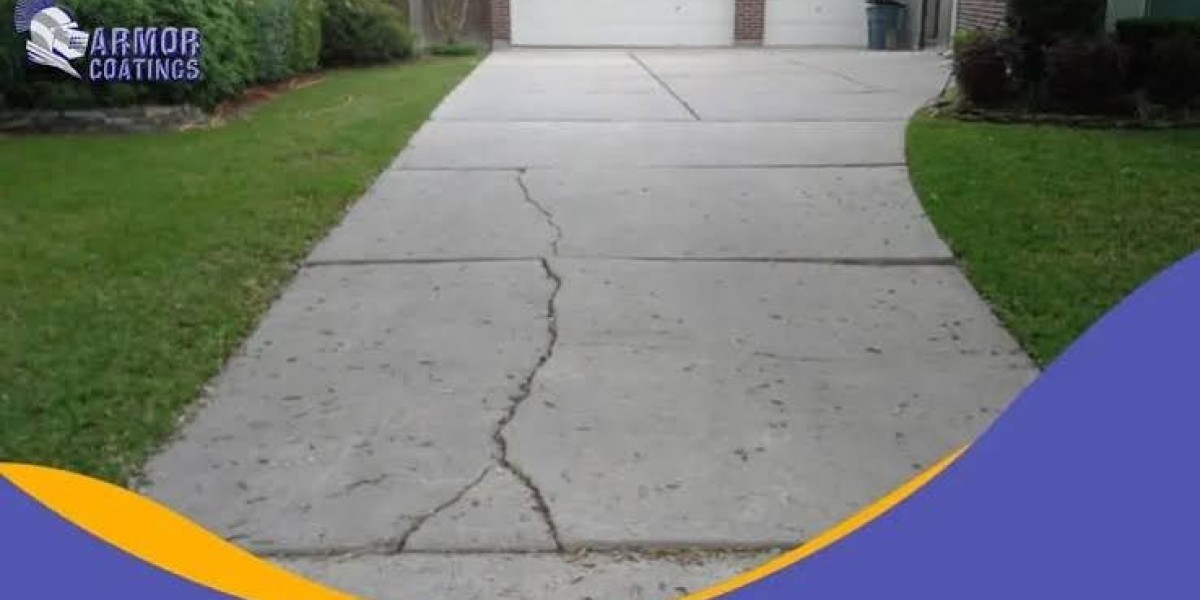

Learning how to fix driveway cracks starts with understanding why cracks appear in the first place. Driveway cracking can happen because of weather changes, water infiltration, ground movement, aging materials, heavy vehicle loads, poor drainage, or an improperly prepared base. Asphalt and concrete react differently to temperature and moisture, but both can eventually develop cracks when the surface or supporting layers experience stress. In Long Island, seasonal temperature changes can make driveway maintenance especially important because repeated expansion, contraction, freezing, and thawing can affect pavement surfaces. Identifying the possible cause before repairing the crack can help you choose a more appropriate repair method and reduce the chance of the problem returning quickly.
How to Inspect Driveway Cracks Before Repairing Them
Before learning how to fix driveway cracks, carefully inspect the entire driveway instead of focusing only on the most visible damaged area. Look at the width, depth, direction, and pattern of the cracks and check whether the surrounding pavement is stable. Small isolated cracks may be suitable for basic crack-filling products, while wide, spreading, or numerous cracks can indicate a larger pavement problem. Also check for potholes, sinking sections, drainage problems, loose edges, or areas where the driveway has become uneven. For concrete driveways, determine whether the damage is a narrow surface crack or a larger structural break. A careful inspection helps homeowners decide whether a simple repair is appropriate or whether more extensive work may be necessary.
What Type of Driveway Crack Do You Have?
Knowing the type of damage is an important part of understanding how to fix driveway cracks. Asphalt driveways can develop narrow linear cracks, interconnected block cracks, edge cracks, and more serious alligator cracking. Concrete driveways can develop narrow cracks, wider breaks, or cracks associated with movement of the slab. The repair method should match the type and severity of the damage rather than using the same filler for every situation. Federal Highway Administration guidance recognizes crack filling and crack sealing as pavement maintenance treatments, while the effectiveness of a treatment depends on pavement condition and the characteristics of the crack. If cracks are extensive or accompanied by major pavement deterioration, filling the visible line alone may not address the underlying problem.
How to Clean Driveway Cracks Before Repair
Cleaning is one of the most important steps when learning how to fix driveway cracks because repair material needs a clean surface to properly contact the existing pavement. Begin by removing leaves, dirt, weeds, loose pieces of pavement, and other debris from inside the crack. A wire brush, screwdriver, or similar hand tool can help remove material that is stuck inside smaller cracks. After loose debris has been removed, the area can be washed according to the repair product instructions. The crack should be allowed to dry when the selected product requires a dry surface. Lowe's guidance for asphalt crack repair specifically recommends removing dirt and vegetation and flushing remaining debris before allowing the crack to dry.
How to Fix Small Asphalt Driveway Cracks
For homeowners learning how to fix driveway cracks on an asphalt surface, small cracks can often be addressed with a compatible asphalt crack-filling product. Lowe's current guidance indicates that certain pourable or tubed asphalt crack products can be used for cracks up to about three-quarters of an inch, although the exact limits depend on the product selected. The crack should first be cleaned thoroughly before the filler is applied. The material can then be worked into the crack according to the manufacturer's instructions and finished so it is reasonably level with the surrounding pavement. Some products may shrink as they dry and require another application. Always follow the specific product instructions because different fillers have different application requirements.
How to Fix Wider Asphalt Cracks
Understanding how to fix driveway cracks becomes more important when asphalt cracks are wider or appear to be expanding. Wider cracks may require a different type of flexible crack filler or a more substantial repair material than a narrow surface crack. The repair area should be cleaned thoroughly and loose pavement should be removed before applying the selected material. The width and movement of the crack should also be considered because some cracks open and close as temperatures change. The Federal Highway Administration explains that crack treatment selection depends on factors such as pavement condition, crack characteristics, material properties, installation methods, and temperature conditions. When cracks are very wide, numerous, or associated with deteriorated pavement, professional evaluation may be more appropriate than repeated surface filling.
How to Fix Concrete Driveway Cracks
The process of learning how to fix driveway cracks is different when the driveway is concrete rather than asphalt. Narrow concrete cracks can often be repaired with a compatible concrete crack filler, while larger cracks may require a patching compound or more extensive repair. Lowe's recommends removing loose debris, cleaning the crack, and selecting a repair method based on the crack's size. Wider concrete cracks may require damaged material to be removed and the edges prepared before a patching compound is applied. It is also important to understand that simply filling a crack may not correct movement caused by a weak subgrade or other underlying condition. If the slab continues moving, the repaired section may crack again.
What Materials Can Be Used to Repair Driveway Cracks?
Choosing suitable materials is a major part of knowing how to fix driveway cracks properly. Asphalt driveways may require asphalt crack filler or crack-sealing material designed specifically for pavement surfaces. Concrete driveways may require concrete crack sealers, vinyl patching compounds, polyurethane sealants, or other compatible products depending on the size and movement of the crack. The material should always be selected according to the manufacturer's stated application range rather than simply choosing the cheapest option available. Using the wrong product can result in poor adhesion, premature failure, or an unattractive repair. It is also important to consider whether the crack is expected to move because flexible materials may be more appropriate in certain situations than rigid patching materials.
How Weather Affects Driveway Cracks
Weather plays an important role in understanding how to fix driveway cracks because temperature and moisture can influence both the formation of cracks and the performance of repair materials. Asphalt expands and contracts with temperature changes, while water entering cracks can contribute to pavement deterioration. In colder climates, repeated freezing and thawing can increase stress on damaged areas. The Federal Highway Administration notes that the performance of crack-sealing treatments depends partly on temperature extremes, pavement conditions, and crack movement. For homeowners in Long Island, planning repairs during suitable weather conditions can make the application process easier and may improve the performance of the repair. Always check the product label for temperature, moisture, curing, and weather requirements before starting the work.
Why You Should Repair Driveway Cracks Early
Homeowners often ask how to fix driveway cracks because they notice a small damaged area and want to prevent it from becoming a larger problem. Addressing suitable cracks early can help limit water infiltration and reduce the opportunity for debris and vegetation to collect inside the damaged area. Federal Highway Administration information describes crack filling as a routine pavement maintenance activity that can reduce water infiltration into pavement structures. However, crack filling is not a replacement for correcting major structural or drainage problems. If a driveway has extensive deterioration, repeated cracking, or significant movement, simply filling the visible cracks may provide only temporary improvement. Early inspection and appropriate maintenance can help homeowners make better decisions about the condition of their driveway.
Can You Fix Driveway Cracks Yourself?
Learning how to fix driveway cracks can be a practical DIY project when the damage is small, accessible, and suitable for a homeowner-grade repair product. Small asphalt cracks may require basic cleaning tools and an appropriate crack filler, while narrow concrete cracks can sometimes be repaired using a compatible concrete crack-sealing product. However, homeowners should understand the limitations of DIY repairs. Larger cracks, widespread cracking, sinking pavement, potholes, drainage problems, and structural movement may require more than a surface repair. Safety is also important when using pressure washers, cutting tools, chemicals, or concrete repair equipment. If the condition of the driveway is difficult to assess, professional inspection can help determine whether a simple repair is reasonable.
How to Apply Asphalt Crack Filler Correctly
For homeowners researching how to fix driveway cracks, correct application is just as important as choosing the right filler. Start with a clean and prepared crack, then apply the product according to its instructions. Pourable fillers should generally be applied carefully so the material reaches the crack without creating unnecessary buildup on the surrounding pavement. Tubed products may require a caulking gun and a properly cut nozzle. After filling, the material should be smoothed or finished according to the product directions. Some fillers may settle into the crack during drying and require another coat. Lowe's recommends allowing appropriate drying time before additional coats and before using the repaired driveway, with exact times depending on the product.
How to Repair Large or Severe Driveway Damage
When researching how to fix driveway cracks, it is important to recognize when a crack is no longer a simple maintenance issue. Large interconnected cracks, deep potholes, crumbling pavement, significant settlement, and widespread surface deterioration can indicate problems that require more comprehensive repair. Concrete driveways with severely broken or uneven slabs may also need more than crack filler. In these situations, applying more material over the visible damage may not solve the underlying cause. A professional can inspect the driveway and determine whether localized repair, resurfacing, partial replacement, or complete replacement is more appropriate. Addressing the underlying condition can be more effective than repeatedly treating the same crack after it returns.
How Drainage Can Help Prevent Driveway Cracks
Drainage is an important consideration when learning how to fix driveway cracks because water can contribute to pavement deterioration and damage when it repeatedly enters vulnerable areas. Check whether rainwater collects on the driveway or flows toward cracks, edges, or the foundation of the home. Downspouts, landscape grading, clogged drainage areas, and low sections can sometimes direct excessive water toward pavement. Repairing a crack without addressing a persistent water problem may result in recurring damage. Proper drainage planning should direct water away from vulnerable structures and pavement areas where possible. If standing water remains after rainfall, the driveway may require a broader drainage or grading evaluation rather than only a crack-filling treatment.
How to Fix Driveway Cracks Around the Edges
Edge cracking requires special attention when learning how to fix driveway cracks because driveway edges can be more vulnerable to erosion, vehicle loading, landscaping conditions, and water exposure. Before filling an edge crack, inspect whether the pavement beside it is supported properly. If the edge is crumbling or the soil beneath it has washed away, applying filler alone may not provide a durable solution. Loose material should be removed and the area cleaned before any appropriate repair material is applied. Landscaping should also be managed so that roots and excessive moisture do not contribute to continued deterioration. A stable driveway edge can help protect the pavement and maintain a cleaner appearance around the property.
How to Prevent Driveway Cracks After Repair
After learning how to fix driveway cracks, prevention should become part of your regular driveway maintenance routine. Keep the pavement clean and remove leaves, dirt, weeds, and other debris before they accumulate. Watch for water pooling and address drainage concerns before they become larger pavement problems. Avoid unnecessary heavy loads when the driveway is not designed for them, and inspect the surface periodically for new cracks or potholes. Asphalt maintenance programs can include crack filling and other preservation treatments, while concrete surfaces may require cleaning, sealing, and timely repairs depending on their condition. Regular inspections are useful because small defects are usually easier to address than widespread pavement deterioration.
When Should You Call a Professional?
Knowing how to fix driveway cracks is useful, but not every driveway problem should be handled as a DIY project. Consider professional assistance when cracks are widespread, repeatedly returning, unusually wide, accompanied by potholes, or connected with sinking and drainage problems. Professional evaluation can also be valuable when the driveway has significant structural damage or when the homeowner cannot determine whether the surface is asphalt or concrete repair territory. A contractor can examine the visible damage and the surrounding pavement to determine whether crack repair, patching, resurfacing, or replacement is appropriate. Getting the problem evaluated before applying multiple layers of temporary repair material can help avoid unnecessary work and expenses.
How Long Can a Driveway Crack Repair Last?
Homeowners researching how to fix driveway cracks often want to know how long a repair will remain effective. There is no single lifespan for every crack repair because performance depends on the material, crack type, pavement condition, installation quality, weather exposure, traffic, and movement of the underlying pavement. The Federal Highway Administration notes that crack-treatment performance varies according to pavement and environmental conditions. A properly selected and installed treatment can help protect pavement, but it cannot guarantee that a moving or structurally damaged crack will never return. Regular inspection after repairs is therefore important. If the same crack repeatedly reopens, the underlying cause should be investigated rather than simply applying more filler.
What Are the Most Common Driveway Crack Repair Mistakes?
Avoiding mistakes is an important part of understanding how to fix driveway cracks successfully. One common mistake is applying filler over dirt, weeds, moisture, or loose pavement instead of properly preparing the crack. Another is using a material that is not designed for the driveway surface or crack size. Homeowners may also fill a structural crack without addressing drainage, settlement, or movement underneath the pavement. Applying too much material can create an uneven appearance, while using too little may leave portions of the crack exposed. Another mistake is driving over the repaired area before the product has sufficiently cured. Following the manufacturer's instructions and evaluating the underlying condition can make the repair process more effective.
How to Maintain a Repaired Driveway in Long Island
For homeowners in West Babylon and throughout Long Island, learning how to fix driveway cracks should be followed by a consistent maintenance plan. Seasonal changes, rainfall, vehicle traffic, and outdoor exposure can gradually affect asphalt and concrete surfaces. Inspect your driveway during different times of the year and pay particular attention to cracks that become wider, areas where water collects, and sections that appear lower than the surrounding pavement. Keeping drainage paths clear and addressing small defects early can help maintain the surface. Professional maintenance may also be useful when the driveway has extensive cracking or deterioration. A proactive approach can help homeowners protect the appearance and usability of their driveways for longer.
How to Fix Driveway Cracks for a Better Long-Term Result
Understanding how to fix driveway cracks means looking beyond the visible line on the pavement and considering the condition of the entire driveway. Proper cleaning, correct repair materials, suitable application methods, drainage management, and regular maintenance all contribute to better results. Small cracks can sometimes be repaired with appropriate DIY products, while severe or recurring damage may require professional evaluation and more extensive work. For homeowners in West Babylon, Long Island, New York, addressing driveway problems early can help maintain curb appeal, safe access, and the overall condition of the property. When professional paving or masonry assistance is needed, Promaster Maintenance Corp Paving and Masonry can help homeowners evaluate and address driveway and exterior surface concerns with solutions suited to their property.