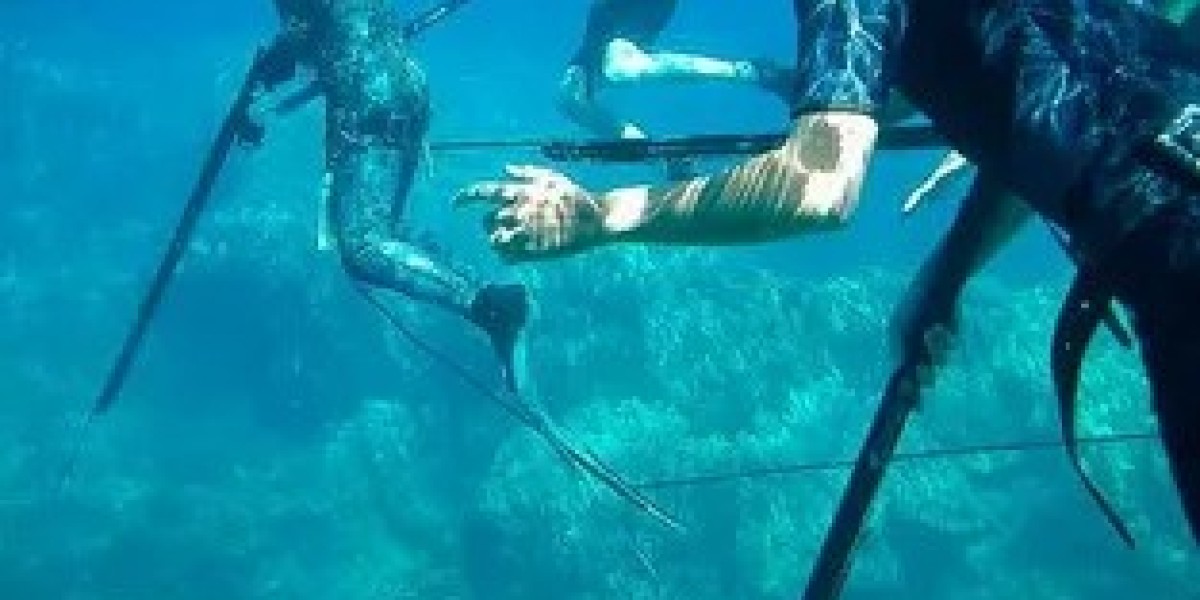

Spearfishing Big Island offers a unique way to experience the clear waters volcanic coastline and abundant marine life around Hawaiʻi Island. However successful spearfishing involves more than carrying a spear into the ocean. Local regulations ocean conditions species limits equipment and water safety all play important roles.
Explains seven practical considerations for planning a responsible spearfishing experience on the Big Island. It also explores how ocean skills learned through surfing lessons in Kona HI can support better awareness of currents waves and entry points.
Moreover visitors should understand that fishing rules can change by location. Hawaiʻi's Division of Aquatic Resources (DAR) publishes current regulations while certain marine conservation areas have additional restrictions. Therefore checking official rules before entering the water is essential.
1. Learn the Local Rules Before Spearfishing Big Island
Regulations are one of the most important parts of Spearfishing Big Island. Hawaiʻi allows spearfishing for many fish but species specific size limits bag limits closed seasons and gear restrictions apply. Spears are also prohibited for certain marine animals including crustaceans turtles and marine mammals.
Check Marine Conservation Areas
Not every attractive reef is open for fishing. Marine Life Conservation Districts can restrict or prohibit taking marine life. On Hawaiʻi Island areas such as Kealakekua Bay Lapakahi and Waialea Bay have specific rules.
For example Kealakekua Bay's MLCD permits certain fishing methods only in designated areas. Spearfishing is not generally permitted there. Consequently a location that looks ideal for diving may still be legally off limits.
Verify Rules Before Each Trip
Rules can change and special management areas may have additional requirements. DAR states that its fishing regulations are current as of May 2025 and advises anglers to consult the rules in effect at the time of fishing. Nonresidents also need a Nonresident Recreational Marine Fishing License.
A responsible diver should therefore check the official regulations identify the exact fishing area confirm species restrictions and understand access rules before entering the water.
2. Build Strong Ocean Awareness and Water Skills
Good spearfishing depends heavily on reading the ocean. Visibility swell current wind reef structure and entry conditions can change quickly.
This is one reason experience with other ocean sports can be useful. For example surfing lessons in Kona HI commonly teach participants about paddling wave timing water movement and ocean awareness. Local Boys Surf Adventure describes its lessons as covering paddling technique wave patterns water awareness and safe entry and exit practices.
Why Ocean Awareness Matters
A diver who understands how waves move around shallow reefs can make better decisions before entering the water. However surfing and spearfishing are different activities. Surfing experience does not replace diving breath hold or spearfishing safety training.
Local Boys Surf Adventure also offers guided spearfishing classes that focus on equipment handling breath control safety practices and understanding currents and ocean conditions.
For visitors who are new to ocean activities structured instruction can provide a useful foundation.
Choose Conditions Carefully
Calm looking water does not always mean safe conditions. Swell direction wind surge and currents can affect reef entries and exits.
Therefore conditions should be evaluated before entering rather than after reaching the fishing area. A conservative approach is especially important for beginners since fatigue or changing conditions can turn a simple swim into a difficult situation.
3. Use Appropriate Equipment and Practice Safe Diving
The right equipment makes Spearfishing Big Island more controlled and comfortable. Common equipment includes a suitable speargun or pole spear mask snorkel fins exposure protection weight system when appropriate and a surface marker.
However equipment alone does not create safety. Divers need to understand how each item works before using it in open water.
Start With Skill Not Equipment
Beginners may be tempted to buy advanced equipment before developing basic skills. A better approach is to learn fundamental diving techniques first and use equipment suited to the diver's experience.
Breath hold diving deserves particular attention. Divers should never treat longer breath hold times as a competition. Fatigue poor judgment and underwater blackout can have serious consequences.
A qualified instructor can demonstrate proper techniques and help beginners understand their limits.
Respect the Reef and Marine Life
Responsible spearfishing also means taking only legal appropriate fish and avoiding unnecessary damage to the reef.
Hawaiʻi's regulations contain species specific restrictions. For example certain fish have minimum sizes or bag limits while some species have seasonal restrictions.
Additionally some conservation areas prohibit taking marine life altogether. Checking the exact location is therefore just as important as checking the target species.
4. Consider Local Instruction Before a First Trip
For travelers who are unfamiliar with the Kona coastline local instruction can reduce uncertainty. Local Boys Surf Adventure provides private semi private and group ocean instruction in Kailua Kona including surfing and guided spearfishing classes. Its published program states that lessons address equipment handling breath control ocean conditions and responsible harvesting.
Surf Training Can Complement Ocean Skills
A person searching for private surf coaching Kailua-Kona may already be interested in improving water confidence and ocean awareness. Local Boys Surf Adventure offers private surf sessions focused on paddling positioning wave selection and individualized coaching.
These skills are not a substitute for spearfishing training but they can help develop familiarity with the ocean environment.
Choose Instruction That Matches Experience
A first time visitor should look for instruction appropriate to current swimming diving and ocean experience. Private coaching can provide more individualized attention while group instruction may suit travelers who prefer a shared learning environment.
Local Boys Surf Adventure states that its surf instructors have extensive experience and that its lessons include a land briefing before entering the water.
5. Understand Species and Harvest Restrictions
One of the biggest mistakes in recreational fishing is assuming that every visible fish is legal to take. Hawaiʻi has detailed rules covering species size seasons and bag limits.
For example DAR lists minimum sizes and bag limits for several marine fish. Uhu or parrotfish have species specific restrictions while other fish may have different seasonal or size requirements.
The same principle applies to invertebrates. Certain lobster species have closed seasons size requirements and restrictions against spearing.
Consequently species identification should be part of preparation rather than something learned after a fish has been taken.
6. Plan the Entry Exit and Emergency Strategy
A successful spearfishing trip begins before the diver enters the water.
The planned entry should account for parking shoreline access reef conditions surf currents exit options and communication. Some marine shoreline areas may also be private property and DAR notes that landowner permission may be required for access.
Application in the Real World
Before a morning dive a careful plan might include:
Checking current fishing regulations.
Confirming that the chosen location is open to spearfishing.
Checking weather swell and ocean conditions.
Reviewing species and size limits.
Inspecting all equipment.
Establishing a buddy and emergency plan.
Identifying a safe exit before entering.
This simple process can prevent many avoidable problems.
7. Treat Spearfishing as a Conservation Activity
The best long term approach to Spearfishing Big Island combines recreation with respect for the marine environment.
Marine Life Conservation Districts exist to conserve and replenish marine resources and restrictions vary by area. Therefore responsible divers should avoid protected areas follow catch limits leave undersized fish alone and minimize contact with coral and other reef habitats.
Moreover responsible harvesting helps preserve the experience for future residents and visitors. The goal is not simply to bring home fish. It is to understand the ocean follow the rules and leave the ecosystem in good condition.
FAQs
Is spearfishing legal on the Big Island?
Spearfishing is permitted in many Hawaiʻi waters but restrictions apply to species sizes seasons gear and locations. Marine conservation areas can have stricter rules.
Is a fishing license required for visitors?
Nonresidents generally need a Nonresident Recreational Marine Fishing License for marine recreational fishing. Current requirements should be checked with Hawaiʻi DAR before the trip.
Can surfing lessons help with spearfishing?
Surfing lessons in Kona HI can improve general ocean awareness paddling and understanding of water movement. However spearfishing requires separate diving and breath hold safety skills.
Does Local Boys Surf Adventure offer spearfishing instruction?
Yes. Local Boys Surf Adventure lists guided spearfishing classes covering equipment breath control safety ocean conditions and responsible harvesting.
Conclusion
Spearfishing Big Island can provide a memorable connection with Hawaiʻi's coastal environment when approached with preparation and respect. Understanding local fishing regulations checking protected areas choosing suitable conditions using appropriate equipment and developing sound ocean skills are essential steps.
For visitors interested in building broader water confidence private surf coaching Kailua-Kona or structured ocean instruction can complement a trip while dedicated spearfishing training addresses the skills specific to underwater fishing. Local Boys Surf Adventure is one local provider that publishes both surf instruction and spearfishing education options.
Ultimately responsible Spearfishing Big Island starts with knowledge. A well planned trip protects the diver respects Hawaiʻi's regulations and helps preserve the marine environment for the next generation.