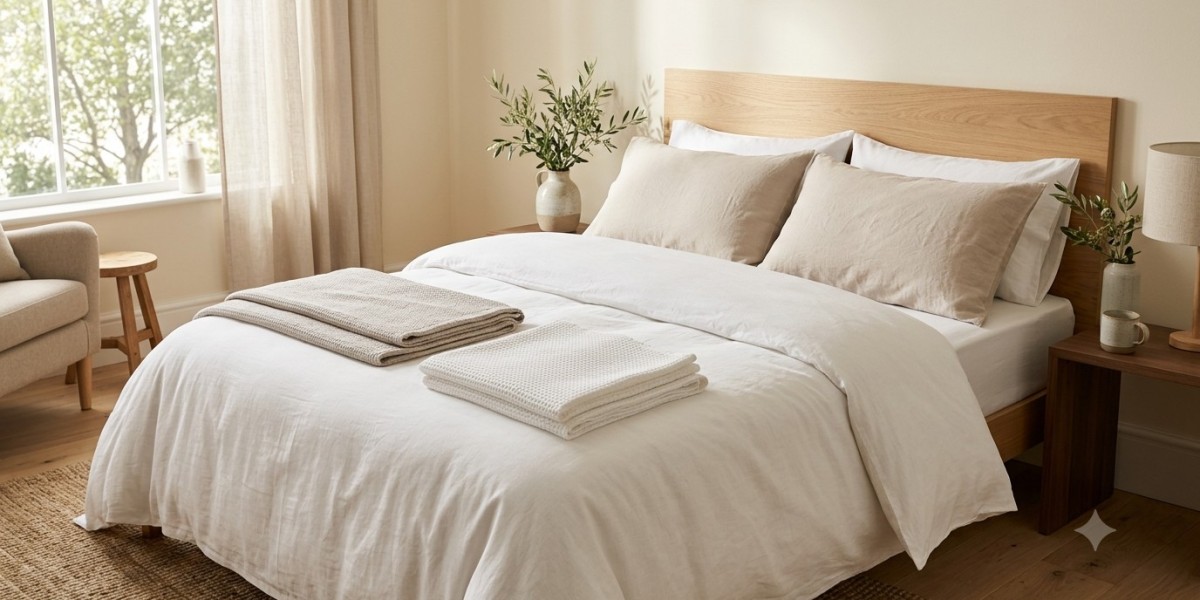

Choosing the right bed sheets can make a noticeable difference to everyday comfort. Since bed linens come into direct contact with the skin for several hours each night, factors such as fabric quality, breathability, softness, fit, and durability all matter. Among the many bedding materials available, cotton remains a practical and versatile choice for homes because it offers comfort while being suitable for regular use.
However, not every cotton sheet feels or performs the same way. The type of cotton, fabric construction, weave, thread count, size, and care requirements can all affect the overall experience. Whether you are furnishing a new bedroom or replacing worn-out bedding, understanding these details can help you make a more informed purchase.
Why Cotton Bed Sheets Are a Popular Choice
Cotton has long been used for bedding because of its comfortable and breathable nature. Natural cotton fibers can allow air to circulate through the fabric, which can make cotton bed sheets comfortable across different seasons.
Another useful characteristic is moisture management. Cotton can absorb moisture, helping bedding feel more comfortable during warm nights. This makes it a practical option for people who prefer breathable bed sheets rather than heavier synthetic fabrics.
Cotton bedding can also become softer with regular washing when it is cared for properly. At the same time, good-quality cotton fabric can withstand repeated use, making it suitable for everyday bedding.
Key advantages include:
- Breathable construction for everyday comfort
- Soft and comfortable feel against the skin
- Suitable for different climates and seasons
- Easy to wash and maintain
- Available in a wide range of colors and designs
- Durable enough for regular household use
Understanding Different Types of Cotton Bed Sheets
Before purchasing bedding, it is useful to understand what the fabric label actually means.
100% Cotton vs. Cotton Blends
A 100% cotton sheet is made entirely from cotton fibers, while a cotton blend combines cotton with another material, such as polyester. Blended fabrics can offer particular benefits, including wrinkle resistance or quicker drying, but their feel and breathability can differ from pure cotton.
For shoppers who prioritize natural fibers and a traditional cotton feel, 100% cotton bedding can be an appealing option. However, fabric quality should always be considered alongside the fiber composition.
Understanding Weave Types
The weave determines how cotton yarns are arranged to create the finished fabric. Common constructions include percale and sateen.
Percale typically has a crisp, lightweight feel and is often appreciated for its breathable character. Sateen has a smoother, silkier surface and can feel slightly warmer. Neither is universally better; the right choice depends on personal preference and the climate in which the bedding will be used.
Choosing the Right Size for Your Bed
A comfortable sheet is not only about fabric—it also needs to fit the mattress properly. Before purchasing, measure the mattress length, width, and depth, particularly if you are buying fitted sheets.
For full-size beds, shoppers searching for cotton sheets full should check the exact dimensions listed by the manufacturer rather than relying only on the size name. Mattress thickness can vary considerably, and a sheet designed for a standard mattress may not fit a deeper mattress correctly.
The same principle applies when selecting a bedsheet cotton double option. Check whether the product is designed for your specific double-bed dimensions and whether it is a flat or fitted sheet.
When considering 100 cotton sheets full, verify both the fabric composition and measurements. A sheet can be made from 100% cotton but still be unsuitable if the dimensions do not match the mattress.
Also consider:
- Mattress depth
- Fitted or flat-sheet design
- Pillowcase dimensions
- Whether the sheet is sold individually or as part of a set
- Allowance for mattress toppers or protectors
Taking these measurements before shopping can prevent problems such as sheets slipping off corners or failing to cover the mattress adequately.
Why Choose Pure Cotton Double Bed Sheets?
For households looking for natural comfort, pure cotton double bed sheets can be a practical option. Cotton's breathable structure makes it useful for everyday sleeping, while its soft texture can provide a comfortable surface against the skin.
Pure cotton bedding can also work across seasons. Lightweight cotton sheets can feel comfortable during warmer months, while slightly heavier cotton fabrics may be suitable when temperatures are cooler.
Another consideration is long-term use. Bedding is washed frequently, so fabric construction and quality matter. Rather than choosing based solely on appearance, examine the fabric composition, stitching, weave, and care instructions.
The right double-bed sheets should provide a balance between comfort, durability, easy maintenance, and appropriate sizing.
What to Check Before You Buy Cotton Bed Sheets
If you are planning to buy cotton bed sheets, looking beyond color and price can help you choose a product that remains comfortable after repeated use.
1. Check the Fabric Composition
Start with the product label. Determine whether the sheet is 100% cotton or a blend. If natural fiber content is important to you, make sure the composition matches your expectations.
2. Don't Judge Quality by Thread Count Alone
Thread count refers to the number of threads woven into a square inch of fabric. While it can provide useful information, a higher number does not automatically mean better quality.
Fiber quality, yarn construction, weave, and finishing can have a significant impact on how a sheet feels and performs. A moderate thread count made with good-quality cotton can be more comfortable than an unusually high thread count achieved through lower-quality construction.
3. Consider the Weave
Choose the weave according to the feel you prefer. Percale is generally crisp and breathable, while sateen offers a smoother and more silky texture.
4. Confirm the Measurements
Always compare the listed dimensions with your mattress measurements. This is especially important for fitted sheets and mattresses with additional toppers.
5. Consider Weight and Fabric Feel
Fabric weight can influence warmth, drape, and durability. However, heavier does not necessarily mean better. Consider the climate and your personal sleeping preferences.
6. Look at Color and Design
Since bed linens contribute to the overall appearance of a bedroom, choose colors and patterns that work with your existing décor. Neutral shades can create a simple, timeless look, while prints can add personality.
7. Read the Care Instructions
A sheet that requires complicated maintenance may not be practical for everyday use. Check recommended washing temperatures, drying instructions, and whether special care is required.
8. Think About Long-Term Value
Instead of comparing products only by their initial price, consider how frequently they will be used, washed, and replaced. Durable, comfortable bedding can provide better value over time even when the initial purchase price is higher.
How to Care for Cotton Bed Sheets
Proper care can help cotton sheets retain their comfort and appearance for longer.
Follow the manufacturer's washing instructions and avoid unnecessarily harsh detergents or excessive heat. Washing sheets separately from items with rough zippers or fasteners can also reduce unnecessary friction.
When drying, follow the recommended temperature. Excessive heat can contribute to shrinkage or fabric wear. If possible, allow sufficient airflow when drying naturally.
Before storing sheets, make sure they are completely dry. Fold them neatly and keep them in a clean, dry space. Rotating between multiple sets can also reduce the amount of wear placed on a single set.
For colored bedding, following the recommended care instructions can help preserve the appearance of the fabric over repeated washes.
Finding Quality Cotton Bedding for Your Home
Once you understand fabric composition, weave, sizing, and care requirements, the next step is finding a reliable source. A good retailer should provide clear information about materials, dimensions, construction, care instructions, and product specifications.
For shoppers exploring cotton and linen home textiles, All Cotton and Linen offers a range of products that can be considered when comparing options for bedrooms and other areas of the home. Looking carefully at individual product details is still important, as the best choice depends on your preferred fabric, size, design, and intended use.
When shopping online, take time to compare measurements and specifications rather than relying only on product photographs. Reviews can also provide useful information about factors such as fabric feel, sizing, and performance after washing, although individual experiences may vary.
Choosing Sheets for Different Seasons
Cotton bedding can be adapted to different seasonal needs by choosing an appropriate fabric weight and weave.
During warmer weather, lightweight and breathable cotton sheets can help create a more comfortable sleeping environment. Percale, for example, is often preferred by people who enjoy a crisp and airy feel.
During cooler months, a denser cotton fabric or layering a cotton sheet with a blanket or duvet can provide additional warmth without replacing the entire bedding setup.
The goal is not necessarily to buy completely different materials for every season. Instead, consider how fabric weight, weave, and layering can work together.
Final Thoughts
Choosing the right cotton bed sheets involves more than selecting an attractive color or a high thread count. Fabric composition, weave, breathability, softness, durability, mattress size, and care requirements all contribute to the overall quality of your bedding.
Whether you are looking for full-size cotton sheets, double bed linens, or everyday 100% cotton bedding, start by checking the fabric and measurements. Then consider how the sheets will feel in your climate, how frequently they will be washed, and how well they fit your lifestyle.
A thoughtful approach to choosing comfortable bed linens can help you find bedding that looks good, feels comfortable, and remains useful through regular everyday use. Exploring reliable home-textile sources such as All Cotton and Linen can also make it easier to compare cotton and linen options according to your specific needs.