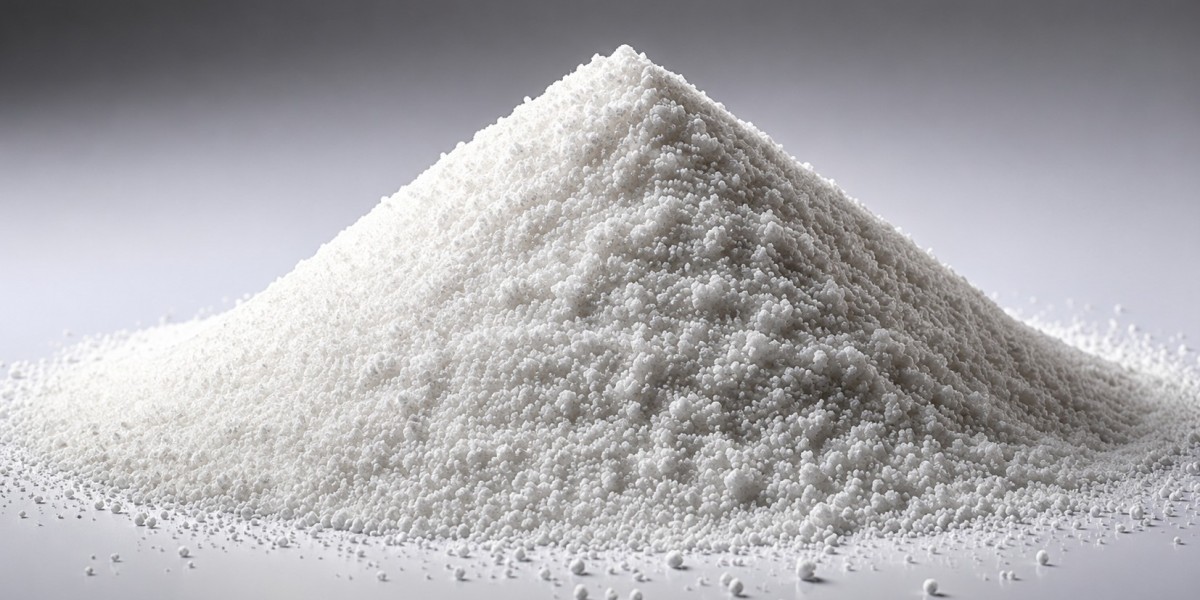

Sodium carbonate is a widely used chemical found in many industrial, household, cleaning, manufacturing, and laboratory applications. It is commonly known as washing soda or soda ash and is valued for its ability to soften water, adjust alkalinity, and support various chemical processes. But a common question among users is, is sodium carbonate safe? The answer depends largely on how it is handled, the concentration involved, and the type of exposure. Sodium carbonate is not generally considered highly toxic, but it can cause irritation or injury when it comes into contact with the eyes, skin, respiratory system, or digestive tract in sufficient amounts. Understanding its properties, uses, potential hazards, and proper handling practices is important for anyone who works with or encounters this chemical.
What Is Sodium Carbonate?
Sodium carbonate is an inorganic compound with the chemical formula Na₂CO₃. It is commonly available as a white powder or crystalline solid and is highly useful because of its alkaline properties. It can occur naturally in mineral deposits and can also be produced commercially for industrial applications. Sodium carbonate is widely used in glass manufacturing, detergents, water treatment, chemical processing, pulp and paper production, and laboratory work. Its ability to increase alkalinity and react with acids makes it valuable in many different processes.
Is Sodium Carbonate Safe?
Sodium carbonate can be handled safely when appropriate precautions are followed, but it should not be treated as completely harmless. Its alkaline nature means that concentrated or prolonged exposure can irritate the skin and eyes and may cause more serious injury depending on the amount and circumstances of exposure. Breathing dust can also irritate the nose, throat, and respiratory tract. The safety of sodium carbonate therefore depends on factors such as concentration, quantity, exposure route, duration, and whether appropriate protective measures are used.
Why Is Sodium Carbonate Considered Alkaline?
Sodium carbonate is considered alkaline because it reacts with water to produce an alkaline solution. This property allows it to neutralize acids and increase the pH of solutions. Its alkalinity is one of the main reasons it is useful in cleaning products, water treatment, manufacturing, and chemical processing. However, the same property that makes sodium carbonate effective in these applications can also cause irritation when concentrated material comes into contact with sensitive tissues.
Sodium Carbonate and Skin Contact
Contact with sodium carbonate can cause skin irritation, particularly when the chemical is concentrated or remains on the skin for an extended period. Some people may experience redness, dryness, discomfort, or irritation after exposure. Repeated contact can remove natural oils from the skin and contribute to dryness. Wearing suitable protective gloves when handling sodium carbonate can reduce direct exposure and help protect the skin, especially in workplaces and laboratory environments.
Sodium Carbonate and Eye Exposure
The eyes are particularly sensitive to alkaline substances, so sodium carbonate should be kept away from direct eye contact. Exposure may cause irritation, redness, watering, burning, or discomfort. Dust particles can also be troublesome if they enter the eyes. If sodium carbonate gets into the eyes, prompt rinsing with plenty of clean water is important, and medical attention should be sought if irritation persists or the exposure appears significant.
Is Breathing Sodium Carbonate Dust Dangerous?
Breathing airborne sodium carbonate dust can irritate the respiratory system. People exposed to substantial amounts of dust may experience coughing, throat irritation, or discomfort in the nose and airways. Good ventilation and appropriate respiratory protection are important when handling powdered sodium carbonate in situations where dust may become airborne. Avoiding unnecessary dust generation is another effective way to reduce respiratory exposure.
What Happens If Sodium Carbonate Is Swallowed?
Swallowing sodium carbonate can irritate the mouth, throat, stomach, and digestive system. The effects depend on the quantity swallowed and the concentration of the material. Larger exposures may cause more serious symptoms and require medical evaluation. Sodium carbonate should therefore be stored safely and kept away from food and beverages. If someone accidentally swallows a significant amount, professional medical or poison-control guidance should be obtained promptly rather than attempting an improvised treatment.
Is Sodium Carbonate Safe for Household Cleaning?
Sodium carbonate is commonly used in household cleaning because its alkaline properties help remove grease, dirt, and other residues. When used according to the instructions for an appropriate cleaning product, it can be useful for household applications. However, direct contact should still be minimized, and the chemical should not be confused with substances intended for consumption. Users should follow product-specific directions, avoid contact with the eyes, and keep cleaning chemicals away from children and pets.
Sodium Carbonate in Laundry Products
Sodium carbonate has traditionally been used as a laundry aid because it can help soften water and improve the cleaning performance of detergents. It can assist with removing oily or greasy residues and may help detergents work more effectively in hard water. Although it can be useful for laundry, excessive amounts may irritate the skin, especially for people who handle concentrated powder directly. Proper storage and careful handling are recommended.
Sodium Carbonate for Water Treatment
Sodium carbonate is widely used in water treatment because it can increase alkalinity and help adjust water chemistry. It can also be involved in processes designed to reduce the effects of hard water by reacting with certain dissolved minerals. Because water treatment often involves controlled chemical concentrations, professional handling and appropriate measurement are important. Using excessive quantities without understanding the required water chemistry can produce undesirable results.
Sodium Carbonate in Industrial Applications
Sodium carbonate has numerous industrial uses because of its chemical properties and relatively versatile behavior. It is an important raw material in glass production and is also used in detergents, chemical manufacturing, pulp and paper processing, textiles, metallurgy, and water treatment. Industrial workers may encounter larger quantities or concentrated forms, making proper workplace controls particularly important. Ventilation, protective equipment, training, safe storage, and appropriate handling procedures can significantly reduce exposure risks.
Sodium Carbonate in Glass Manufacturing
Glass manufacturing is one of the major applications of sodium carbonate. It can help lower the melting temperature of certain raw materials, making the manufacturing process more practical and efficient. During industrial production, the chemical is handled under controlled conditions and as part of a larger manufacturing process. Workers involved in these operations need appropriate safety procedures because industrial quantities can create dust and exposure hazards.
Sodium Carbonate and Environmental Safety
Sodium carbonate does not generally behave like highly persistent organic pollutants, but releasing large amounts of any alkaline chemical into the environment can affect local conditions. Significant releases into water or soil may alter pH and potentially affect aquatic organisms or other environmental systems. Responsible handling, storage, disposal, and spill management are therefore important. Industrial facilities should follow applicable environmental and waste-management requirements when dealing with chemical materials.
How to Handle Sodium Carbonate Safely
Safe handling begins with minimizing unnecessary exposure and preventing dust from becoming airborne. Protective gloves and eye protection are appropriate when handling the chemical in situations where contact is possible. Good ventilation should be maintained, particularly when working with powdered material. Hands should be washed after handling, and contaminated clothing or surfaces should be cleaned appropriately. Sodium carbonate should also be stored in a dry, secure location away from incompatible materials and food products.
How Should Sodium Carbonate Be Stored?
Sodium carbonate should be kept in a properly labeled container that is securely closed and protected from contamination. A dry storage environment is generally preferred because moisture can affect the physical condition of the material. Storage areas should be well organized and inaccessible to children or unauthorized individuals. Keeping the original labeling and following the storage recommendations provided for the specific product can further reduce the risk of accidental misuse.
Sodium Carbonate Compared With Sodium Bicarbonate
Sodium carbonate and sodium bicarbonate are related compounds, but they are not identical and should not be used interchangeably without understanding their different properties. Sodium carbonate is more strongly alkaline than sodium bicarbonate and is commonly used for cleaning, industrial processes, and water treatment. Sodium bicarbonate, often called baking soda, has many food and household applications. The difference in alkalinity means that the two chemicals can have different safety considerations and should be used only for their intended purposes.
Is Sodium Carbonate Safe for Skin?
Sodium carbonate is not generally intended to be applied directly to the skin. Although it can be found in some cleaning and personal-care formulations at controlled concentrations, direct exposure to concentrated sodium carbonate may cause irritation or dryness. Anyone handling the pure chemical should use appropriate protective measures rather than assuming that its presence in a formulated product means the concentrated material is safe for direct skin contact.
Is Sodium Carbonate Safe Around Children?
Sodium carbonate should be stored out of the reach of children. Its white powder can sometimes resemble other household substances, creating a risk of accidental contact or ingestion. Children should not handle concentrated cleaning chemicals or industrial materials. Secure storage, clear labeling, and keeping chemicals in their original containers are simple steps that can help prevent accidental exposure.
Is Sodium Carbonate Safe Around Pets?
Sodium carbonate should also be kept away from pets. Animals can accidentally ingest powders or come into contact with contaminated surfaces. Because pets may respond differently to chemical exposure, any suspected ingestion or significant contact should be treated seriously and professional veterinary guidance should be obtained. Safe storage and careful cleaning practices are the best ways to minimize this risk.
What Should You Do After Skin Exposure?
If sodium carbonate comes into contact with the skin, the affected area should generally be rinsed thoroughly with plenty of water. Contaminated clothing should be removed if necessary, and the area should be cleaned carefully. If irritation, pain, or other symptoms continue after washing, medical advice should be sought. Avoiding prolonged exposure is particularly important when working with concentrated material.
What Should You Do After Eye Exposure?
Eye exposure requires prompt attention because alkaline substances can cause significant irritation. The eyes should be flushed thoroughly with clean water, while avoiding rubbing the affected area. Contact lenses should be removed if they can be taken out easily during rinsing. If discomfort, redness, visual changes, or other symptoms continue, urgent medical evaluation is appropriate.
What Should You Do After Inhaling Sodium Carbonate Dust?
Anyone who inhales a substantial amount of sodium carbonate dust should move away from the dusty environment and into fresh air. Persistent coughing, breathing difficulty, chest discomfort, or other concerning symptoms should be evaluated by a healthcare professional. Preventing dust accumulation through ventilation and careful handling is an important part of respiratory protection.
How Can Workplace Exposure Be Reduced?
Workplace exposure can be reduced through proper ventilation, dust control, protective equipment, safe storage, employee training, and good housekeeping. Workers should understand the hazards associated with the specific sodium carbonate product they are handling and follow workplace safety procedures. Employers should also provide appropriate safety information and ensure that workers know how to respond to spills, accidental contact, and other exposure situations.
Common Mistakes When Handling Sodium Carbonate
One common mistake is assuming that sodium carbonate is completely harmless because it is widely used in household and industrial products. Another mistake is handling the powder without eye or skin protection or creating unnecessary dust during use. Poor storage, mixing chemicals without understanding compatibility, and failing to clean spills properly can also increase risks. Treating sodium carbonate as a chemical that requires sensible precautions is the safest approach.
Frequently Asked Questions About Sodium Carbonate Safety
Is sodium carbonate highly toxic?
Sodium carbonate is not generally classified as a highly toxic substance, but it can still cause irritation or injury depending on the amount and route of exposure. Its alkaline nature means that concentrated exposure should be avoided.
Can sodium carbonate burn the skin?
Concentrated sodium carbonate can cause significant irritation and may produce chemical injury under certain exposure conditions. Direct contact should therefore be avoided, particularly with concentrated or large quantities.
Can sodium carbonate damage the eyes?
Yes. Sodium carbonate can irritate the eyes, and concentrated exposure can potentially cause more serious injury. Eye protection is recommended when handling the chemical.
Is sodium carbonate safe to breathe?
Breathing sodium carbonate dust is not recommended because airborne particles can irritate the respiratory system. Proper ventilation and dust-control measures can help reduce exposure.
Can sodium carbonate be used for cleaning?
Yes. Sodium carbonate is commonly used as a cleaning and laundry aid because its alkaline properties can help remove grease and improve cleaning performance. It should still be handled carefully.
Is sodium carbonate the same as baking soda?
No. Sodium carbonate and baking soda are different chemicals. Sodium carbonate is more alkaline and has different applications and handling requirements.
Should sodium carbonate be kept away from children?
Yes. Sodium carbonate should be stored securely and out of children's reach to prevent accidental ingestion, eye contact, or skin exposure.
What is the safest way to handle sodium carbonate?
The safest approach is to minimize exposure, avoid creating dust, use appropriate gloves and eye protection when necessary, maintain good ventilation, wash hands after handling, and store the chemical securely.
Conclusion
So, is sodium carbonate safe? Sodium carbonate can be used safely when it is handled correctly and appropriate precautions are followed. It is a useful chemical with many household, industrial, laboratory, cleaning, and water-treatment applications, but its alkaline nature means that direct or excessive exposure can cause irritation and potentially more serious injury.
The key to safe use is responsible handling. Avoid unnecessary skin and eye contact, prevent inhalation of dust, use suitable protective equipment when needed, maintain good ventilation, and store the chemical securely. It is also important to follow the safety instructions associated with the particular product because concentration and intended use can affect the appropriate precautions.
Understanding the difference between a useful chemical and a completely harmless substance is essential. Sodium carbonate has many practical benefits, but treating it with reasonable care is the best way to reduce exposure risks and ensure safe use in both household and professional environments.